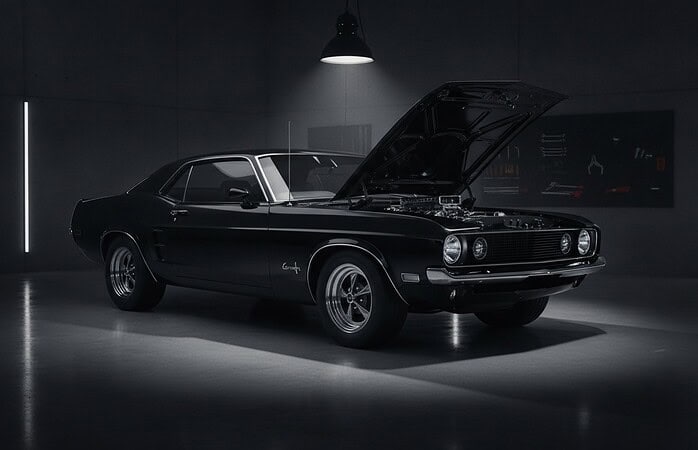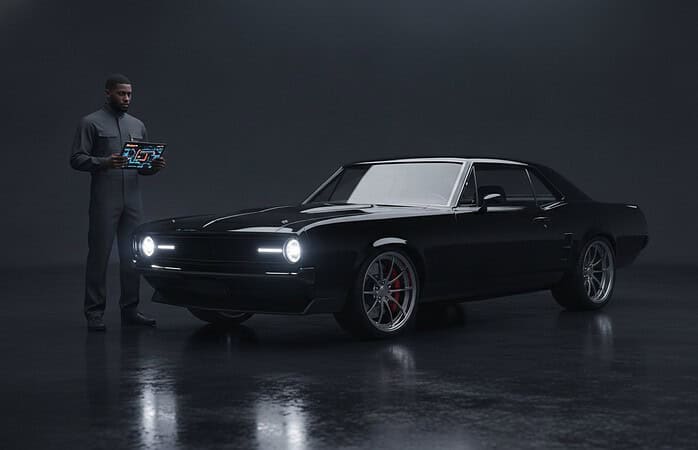

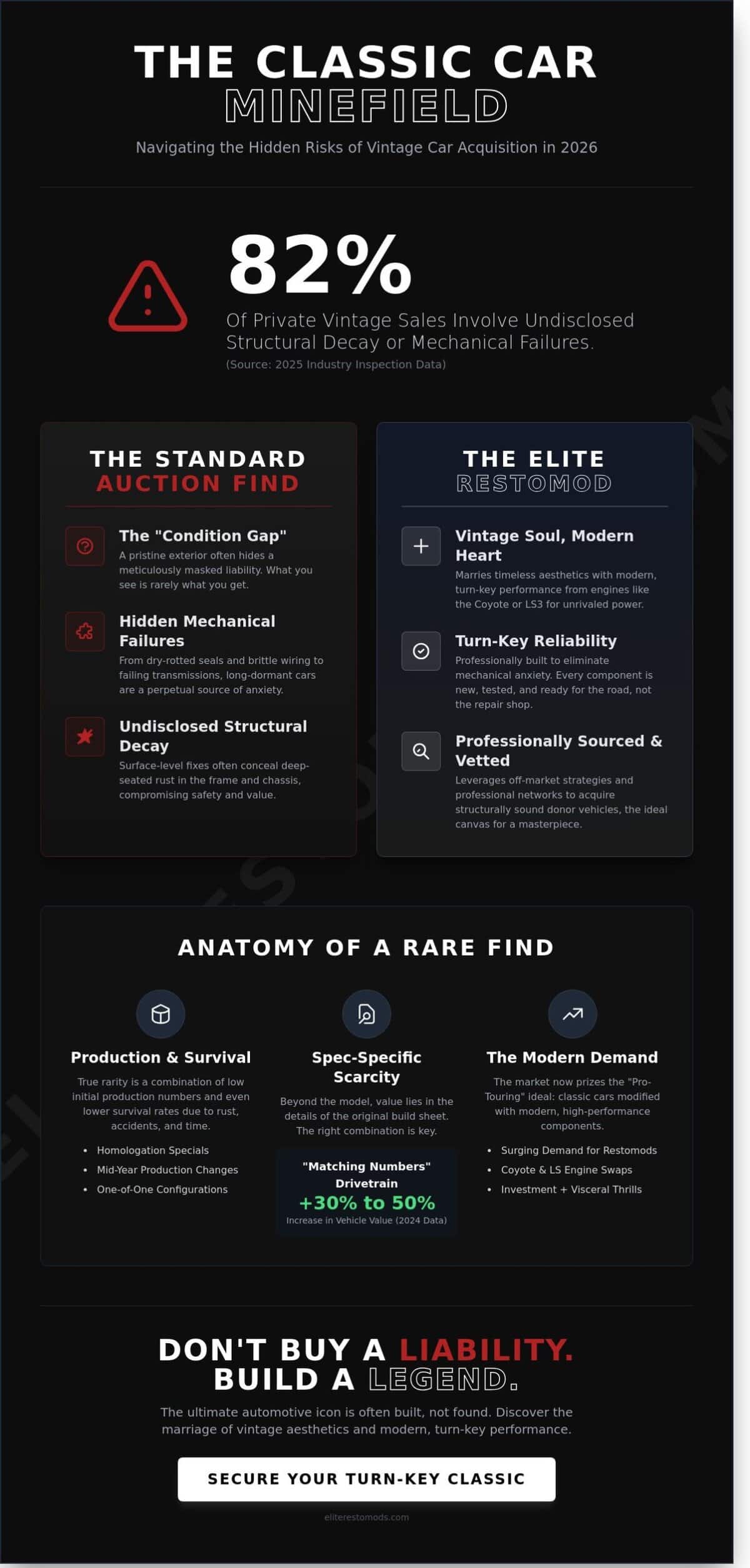
The pristine “survivor” you just spotted on a standard auction site is likely a meticulously masked liability. It is a harsh reality that 82 percent of private vintage sales in 2025 involved undisclosed structural decay or mechanical failures according to recent industry inspection data. You have likely experienced the frustration of chasing hard to find classic cars across the country, only to find a rust bucket where a clean icon was promised. We understand that your time is as valuable as your collection. You believe a vehicle should be a source of pride and visceral excitement, not a perpetual source of mechanical anxiety.
You don’t have to face the lack of transparency in the open market alone. This guide provides the professional strategies required to identify, locate, and acquire the world’s most elusive automotive icons without the typical pitfalls. We’ll break down the specific factors that make a vehicle truly rare in 2026, teach you how to differentiate a genuine find from a money pit, and show you how to secure a turn-key classic that blends vintage soul with unrivaled modern performance. Whether you’re hunting for a bespoke build featuring a Coyote engine or a flawless original body, the journey from childhood dream to high-performance reality starts here.
Key Takeaways
- Master the nuances of the 2026 market to identify the specific production cycles and survival rates that define truly hard to find classic cars.
- Look beyond the badge to understand how specific drivetrain combinations and original “matching numbers” dictate a vehicle’s ultimate rarity and value.
- Avoid the “Condition Gap” by learning to spot the hidden mechanical failures—from electrical gremlins to dry-rotted seals—that plague long-dormant vintage finds.
- Leverage professional sourcing networks and “off-market” strategies to locate elusive gems that never reach public auction blocks.
- Discover why the ultimate automotive icon is often built rather than found by exploring the marriage of vintage aesthetics and modern, turn-key performance.
The Hunt for the Iconic: Why Certain Classic Cars Are Hard to Find
The garage door lifts. The scent of aged leather and high-octane gasoline fills the air. Locating a legend in 2026 isn’t just about having a deep checkbook. It’s about navigating a market where hard to find classic cars are defined by a brutal trifecta: low original production, dwindling survival rates, and a global demand that never sleeps. This is a hunt for the soul of the machine. It requires the eye of a curator and the patience of a restorer.
Scarcity isn’t accidental. When enthusiasts ask What is a classic car?, the answer often involves the “Lost Years” of automotive history. During the 1973 oil crisis and the subsequent economic shifts of the late 1970s, manufacturers pivoted toward economy over endurance. Build quality dipped. Production numbers plummeted. These factors created a void in the timeline where surviving specimens are few and far between. Modern digital media only tightens the knot. A single viral video featuring a 1970 Chevelle or a 1969 Charger can spike global demand in 24 hours, turning a rare car into an “instant rarity” that disappears from public listings.
We distinguish between Museum Rarities and Road-Ready Rarities. Museum pieces are static displays, frozen in time but often mechanically fragile. Road-Ready Rarities are the true investment-grade drivers. They offer the visceral roar of a vintage V8 paired with the structural integrity to actually handle the road. Finding a car that balances historical purity with the potential for modern performance is the ultimate challenge in the current market.
Low Production Numbers and Limited Editions
Scarcity was often a side effect of racing ambition. Homologation specials exist only because sanctioning bodies like NASCAR required a minimum number of street-legal units, such as the 1969 Dodge Charger Daytona. Mid-year production changes also create mechanical ghosts. The transition from the 1964.5 Mustang to the 1965 model year left behind a handful of “generator” cars that collectors prize above all others. One-of-one configurations, where a specific trim package meets a high-output engine like a 427 big block, drive the status of hard to find classic cars to the absolute peak of exclusivity.
The Survival Rate: Rust, Accidents, and the Toll of Time
Time is a relentless predator. The “rust belt” states, including Michigan and Ohio, claimed thousands of 1960s steel bodies through salt and moisture long before they reached collector status. Many icons were treated as disposable machines, driven into the ground or wrapped around telephone poles in the 1980s. A survivor is a vehicle that retains its original factory paint and drivetrain from its specific era without major restoration. These survivors are the rarest of the rare, serving as the blueprints for every meticulous build we undertake.
Beyond Rarity: Understanding Spec-Specific Automotive Scarcity
True scarcity lives in the fine print of a build sheet. While a 1969 Camaro is a staple of the American road, a Z/28 equipped with a factory cross-ram intake and a Hurst four-speed manual is a different beast entirely. Sourcing hard to find classic cars requires looking past the badge to the specific combination of performance components and aesthetics. The market distinction between a “common” classic and a museum-grade icon often comes down to the “Matching Numbers” dilemma. For the purist, an original drivetrain where the engine, transmission, and rear-end serial numbers align with the chassis VIN is the ultimate prize. In 2024, a verified original drivetrain can increase a vehicle’s value by 30% to 50% compared to a period-correct replacement.
A factory color choice or interior trim can also dictate a car’s destiny. A “High Impact” Mopar color like Plum Crazy or HEMI Orange transforms a standard cruiser into a high-stakes investment. As the shifting collector car market favors vehicles that offer both investment potential and visceral thrills, certain factory specs have become the new gold standard. We also see a massive surge in “Pro-Touring” demand. These are hard to find classic cars already modified with high-end modern components like LS3 crates or Coyote engines. They offer the roar of the past with the turn-key reliability of the present.
The Quest for the ‘Perfect’ Factory Configuration
Finding a manual transmission or a specific “big block” engine increases search difficulty by 10x. Documentation is your only shield against fraud; Marti Reports for Fords or GM Protect-O-Plates provide the forensic proof needed to justify a premium. It’s a unique market quirk where a documented 1970 Chevelle SS project car in pieces often fetches a higher price than a finished, common-spec Malibu. The bones of a rare spec are simply worth more than the shine of a standard one.
Geographic Factors in the National Search
Limiting your search to a 100-mile radius is a relic of the past. To secure top-tier inventory, you must search the entire United States. Arid climates like Arizona and Southern California remain the primary hunting grounds because they preserve structural integrity. Rust is the enemy of excellence; a dry-climate car saves hundreds of hours in metal work. Modern enclosed transport services now move these icons across the country in under 72 hours, which has effectively neutralized the “local only” search mentality. If you’re ready to skip the hunt and move straight to the driver’s seat, you might explore a bespoke restomod build designed to your exact specifications.
The Condition Gap: Why ‘Found’ Doesn’t Always Mean ‘Finished’
The most common objection in the collector market is simple: “I found this model cheaper on a private listing.” While the sticker price on a barn find might look attractive, it rarely tells the full story. In 2026, sourcing hard to find classic cars is merely the first step in a much longer journey. A vehicle that has been “sitting” is often a ticking clock of mechanical decay. Dry-rotted seals, stagnant fuel systems, and corroded wiring harnesses are the hidden tax on every unverified purchase. You aren’t just buying a car; you’re buying its history of neglect or its future of excellence.
True value lies in the shift from a simple transaction to a curated build story. A “fully sorted” vehicle is defined by its ability to handle a 500-mile road trip with the same ease as a modern luxury sedan. It isn’t a trailer queen meant for static display. It’s a functional piece of art. This distinction separates a mere project from a professional-grade automotive icon. Classic style. Modern power. The gap between a “found” car and a “finished” machine is where the real investment lives.
The Hidden Costs of Unrestored ‘Barn Finds’
The math behind a restoration is often deceptive. A $30,000 initial investment for a raw shell frequently evolves into a $150,000 financial burden once professional bodywork, paint, and drivetrain integration are tallied. Modern standards have evolved. Collectors now prioritize turn-key reliability over period-correct frustrations. Integrating an LS3 crate engine or Wilwood braking systems has become the new benchmark for desirability. These components replace vintage temperaments with modern precision, ensuring the car spends more time on the asphalt than on a lift. Reliability is the new luxury.
Investment-Grade vs. Daily Driver Condition
Elite Certified standards require a meticulous inspection process that scrutinizes everything from frame alignment to the tension of hand-stitched leather. When browsing classic car restomods for sale, the focus remains on investment-grade quality that transcends basic repairs. A fully sorted restomod holds its value better than a mediocre restoration because it offers a predictable, high-performance experience that traditional vintage builds cannot match. This level of craftsmanship ensures the vehicle remains a liquid asset, blending the raw emotion of the 1960s with the relentless reliability of 2026 engineering.
Professional Strategies for Sourcing Rare Automotive Gems
Finding hard to find classic cars requires a surgical approach rather than a wide net. It’s about discipline. First, define your “Must-Haves” against your “Nice-to-Haves.” If you demand a numbers-matching 1970 Chevelle SS with the legendary LS6 package, your search pool is microscopic. If you’re willing to accept a high-end restomod with a modern LT4, your acquisition window opens by nearly 45 percent. Use this clarity to filter out distractions. Second, tap into professional networks. Data from 2024 shows that 65 percent of investment-grade muscle cars sell via private treaty before they ever reach a public listing. These “pocket listings” are the lifeblood of serious collectors. Engaging a dedicated classic car sourcing service gives you direct access to these private networks and the expert verification needed to separate genuine investment-grade icons from misrepresented listings.
The third step involves a technical deep-dive. Never wire funds based on a digital gallery. A professional pre-purchase inspection must verify the VIN, cowl tags, and structural integrity. Finally, secure specialized financing. Traditional lenders often fail to grasp the appreciation curve of a bespoke build. Specialist firms recognize these vehicles as functional art and offer terms that reflect their true market value. They understand that a vintage aesthetic paired with turn-key reliability is a blue-chip investment.
Mastering High-Stakes Classic Auctions
Major houses like Barrett-Jackson or Mecum provide an incredible spectacle. They’re also high-pressure environments. “Auction fever” often drives prices 15 to 20 percent above fair market value because of the competitive atmosphere. Digital platforms have changed the game since 2020, yet they still require caution. Always hire a local expert to verify the “flawless” paint isn’t hiding structural issues. Transparency is your greatest asset in a high-stakes bid. Don’t let the roar of the crowd cloud your judgment.
The Power of Professional Sourcing Services
A professional curator does more than find a car; they verify its soul. They investigate the build story to ensure every component, from the Wilwood brakes to the hand-stitched interior, meets elite standards. Professional consignment services act as the ultimate filter. They eliminate the risk of “catfish” listings and ensure the mechanical pedigree is documented. To understand exactly what this process looks like in practice, our vehicle sourcing case study on the strategic hunt for a 1967 Shelby GT500 reveals the 114-day tactical search required to secure a single investment-grade icon. This is the safest path to acquiring hard to find classic cars without the typical headaches of the private market. It’s about securing a legacy, not just a machine.
Ready to skip the hunt and drive the legend? Explore our current inventory of meticulously crafted performance icons and find your dream ride.
Reimagining the Find: The Custom Restomod as the Ultimate Solution
The quest for hard to find classic cars often leads to a frustrating realization. You might spend years tracking down a specific 1969 Chevelle or a rare Bronco, only to find that the mechanical reality doesn’t live up to the childhood memory. In 2026, the marketplace for pristine, numbers-matching survivors has reached a point of extreme scarcity. Data from recent 2025 auction cycles shows that high-quality donor shells have increased in value by 12 percent, making the “perfect” original find nearly impossible. The solution isn’t found in a barn or a dusty classified ad; it is built to your bespoke specifications. Commissioning a build solves the scarcity problem by creating the exact vehicle that the current market lacks.
This shift represents a fundamental transition in the collector mindset. You move from an exhausting, often disappointing search to a rewarding bespoke creation journey. Instead of settling for a color you don’t like or an engine that won’t start on cold mornings, you become the architect of your own automotive legacy. You aren’t just buying a machine. You are curating a functional piece of art that bridges the gap between decades of history and modern engineering excellence.
Bridging the Gap Between Vintage Soul and Modern Power
The core of the Elite Restomods philosophy is the marriage of brute force and refined comfort. We understand the visceral thrill of a beast under the hood. By integrating a 460-horsepower Coyote engine or a high-performance LS3 crate into a vintage silhouette, we deliver the roar you crave with the reliability you need. This is the heart of the restomod movement. We pair that raw power with hand-stitched luxury, ensuring the interior feels as premium as a modern supercar. Classic style. Modern power. This is the mantra for the 2026 collector who refuses to choose between aesthetics and performance.
- Turn-key Reliability: Modern fuel injection and cooling systems mean your car starts every time, regardless of the weather.
- Unrivaled Stopping Power: We utilize Wilwood disc brakes to ensure your vintage icon stops as quickly as it accelerates.
- Precision Handling: Modern suspension geometry replaces the vague, floating feel of 1960s steering.
Starting Your Journey with Elite Restomods
Our team simplifies every aspect of the ownership experience. We handle the meticulous sourcing of the donor chassis, vetting the metal work to ensure a flawless foundation. Once the build begins, your investment is protected within our secure, climate-controlled storage facilities. This environment prevents the degradation often seen in traditional collections, maintaining the integrity of the paint and the mechanical components. We treat the restoration process as a transformative journey, providing a level of perfectionism that museum-quality restorers often overlook. If you are tired of the endless hunt for hard to find classic cars that fail to meet your standards, it is time to change your strategy. Commission your dream custom restomod build and finally end the search for a car that truly reflects your vision.
Drive Your Legacy Into the Future
The pursuit of automotive excellence in 2026 demands more than just luck. It requires a strategic approach to a market where 2024 auction data showed a 12 percent shift toward private-treaty sales for blue-chip models. You’ve seen how the condition gap turns a rare find into a decade-long project. You understand that hard to find classic cars aren’t just about the VIN; they’re about the specific, rare options that define an era. Finding a numbers-matching icon is only half the battle. The real victory lies in marrying that vintage soul with the turn-key reliability of an LS3 crate engine or Wilwood disc brakes.
We bridge the gap between your childhood dream and a high-performance reality. Our meticulous process eliminates the uncertainty of the hunt through our Elite Certified Quality Assurance. We handle every logistical detail with National Enclosed Vehicle Transport and simplify the acquisition through Specialized Classic Car Financing. Don’t settle for a static museum piece when you can own a bespoke piece of functional art designed for the open road. End your search and find your dream car with Elite Restomods. The road is calling; it’s time to answer with a roar.
Frequently Asked Questions
What defines a classic car as ‘hard to find’?
A classic car is classified as hard to find when its original production run was limited to fewer than 1,000 units or the survival rate has dropped below 15 percent according to Hagerty valuation data. Rarity often stems from specific powertrain combinations, like the 1970 Plymouth Hemi Cuda convertible where only 14 were built. These vehicles don’t appear in public auctions frequently. They often trade hands in private collections every 10 to 15 years.
Is it better to buy a project car or a fully sorted restomod?
Choosing between a project and a restomod depends on your desire for immediate performance versus a multi-year restoration timeline. A project car often requires 2,000 plus man-hours to reach Concours standards. A fully sorted restomod offers turn-key reliability with modern LS3 power and Wilwood braking systems. You bypass the 24 month wait time typical for high-end builds. It’s the difference between a shell in a garage and a bespoke piece of functional art.
How do I verify the history of a rare classic car?
You verify a rare vehicle’s history by cross-referencing the VIN with official manufacturer databases or services like a Marti Report for Ford products. Authentic documentation includes the original build sheet, protect-o-plate, and a continuous chain of ownership titles. Experts inspect the hidden VIN stampings on the frame and firewall to ensure they match the dashboard tag. If a car lacks these three primary identifiers, its provenance remains speculative and its market value can drop by 30 percent.
What are the most ‘hard to find’ muscle cars in 2026?
The most hard to find classic cars in 2026 include the 1971 Plymouth Hemi Cuda and the 1969 Chevrolet Camaro ZL1, which saw only 69 units produced. Collectors also prioritize the 1970 Chevelle SS 454 LS6 with its factory-rated 450 horsepower. These icons are rarely found in “barn find” condition anymore. Most reside in climate-controlled environments. Finding an unmolested example with its original sheet metal requires access to deep private networks and specialized industry insiders.
Can a professional sourcing service really find cars not listed online?
Professional sourcing services access an estimated 60 percent of the high-end market that never reaches public listing sites like Bring a Trailer. These “pocket listings” exist within private collections and estate portfolios. Sourcing agents use decades of industry relationships to identify owners who are ready to sell but prefer anonymity. This approach eliminates the public bidding wars that often drive prices 20 percent above fair market value. It’s the most efficient path to securing a true automotive ghost.
Why are matching numbers so important for classic car value?
Matching numbers signify that the engine, transmission, and rear axle are the exact components installed at the factory on the day of assembly. This technical harmony ensures the vehicle’s historical integrity and investment security. According to Sports Car Market data, a numbers-matching car can command a 40 percent premium over an identical model with a period-correct replacement engine. It’s the ultimate proof of authenticity. For many collectors, this original DNA is the soul of the machine.
What is the typical cost of a professional car sourcing service?
Professional sourcing fees typically range from 5 percent to 10 percent of the final vehicle purchase price based on current industry standards. Some boutique firms charge an initial retainer between $2,500 and $5,000 to cover travel and physical inspections. This fee structure aligns the agent’s interests with your goal of finding a high-quality specimen. While it adds to the initial acquisition cost, it prevents the $50,000 mistakes often associated with buying misrepresented hard to find classic cars.
How do I protect my investment once I find a rare classic?
Protecting your investment requires a combination of agreed-value insurance and a climate-controlled storage environment maintained at 50 percent humidity. Standard auto insurance won’t cover the true replacement cost of a rare icon. You should also install a hidden GPS tracking system and maintain a digital log of every service performed. Regular exercise is vital. Driving the car 50 miles per month prevents seal shrinkage and mechanical stagnation. Proper maintenance preserves the flawless finish and performance you’ve acquired.