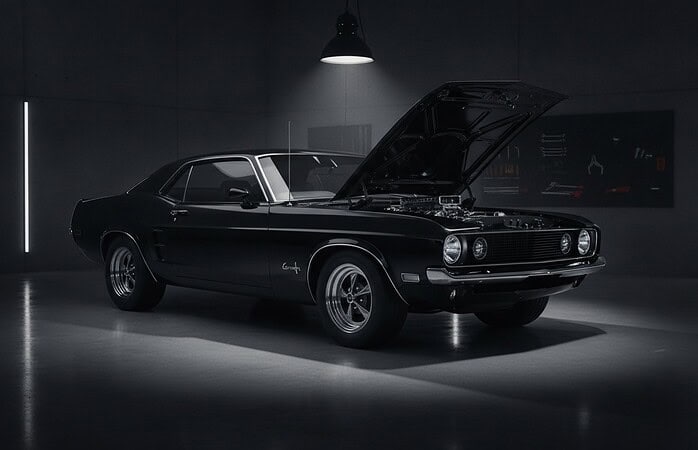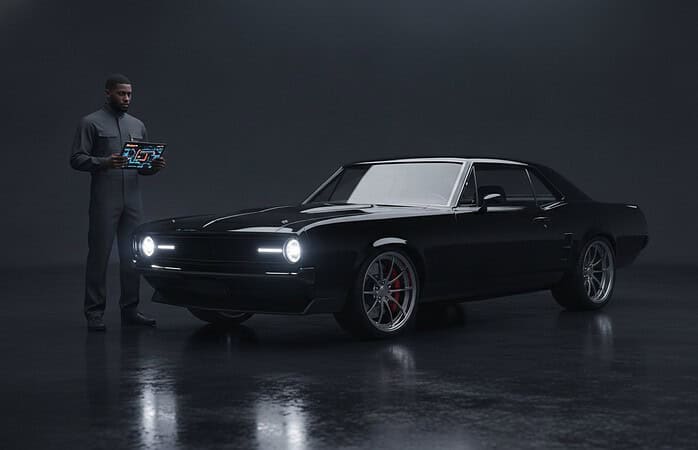

What if your 1967 fastback didn’t just look like a legend, but carved through tight corners with the same surgical precision as a 2025 performance machine? You likely agree that the raw soul of a classic is unmatched, yet the fear of a 40% budget overrun or a mechanical failure on a Sunday drive often keeps these icons under a dust cover. Learning how to plan a restomod build is the only way to bridge the gap between a vintage dream and a turn-key reality. Classic style. Modern power. Your investment should be as reliable as it is beautiful.
This 2026 master guide provides the systematic process required to transform a vintage icon into a high-performance, investment-grade masterpiece. We’ll show you how to eliminate project creep by selecting components that work in perfect harmony, such as LS3 crate engines and Wilwood braking systems. We will walk through the entire roadmap from your initial vision to that first visceral roar of the engine, ensuring your finished vehicle is fully sorted and ready for daily excellence. It’s time to stop dreaming and start building a bespoke piece of functional art.
Key Takeaways
- Define your vision by fusing vintage nostalgia with modern engineering to create a strategic blueprint for an automotive masterpiece.
- Select an iconic donor vehicle with the structural integrity required to support elite levels of performance and long-term reliability.
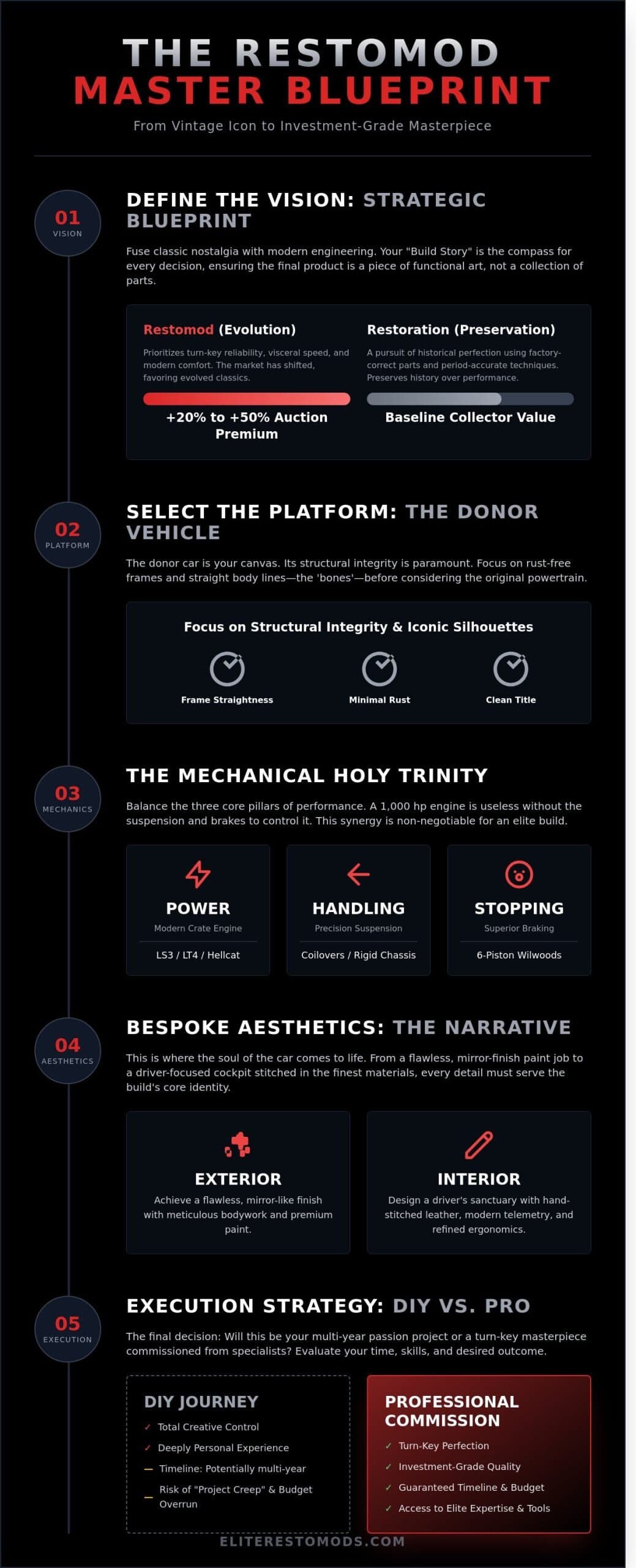
- Understand how to plan a restomod build by balancing the “Mechanical Holy Trinity”-modern crate power, precision handling, and superior stopping capability.
- Learn the art of bespoke aesthetics, from achieving a flawless mirror finish to designing a hand-stitched interior that pampers the driver.
- Evaluate your execution strategy to decide between the multi-year DIY journey or the turn-key perfection of a professional commission.
Defining the Vision: The Strategic Blueprint of a Masterpiece
Every legendary machine starts as a singular, uncompromising dream. A restomod isn’t just a car; it’s the meticulous fusion of “Restoration” and “Modification.” Classic style meets modern power. This juxtaposition is the beating heart of your vision. When you begin to understand how to plan a restomod build, you must decide if you’re chasing a ghost from 1967 or creating a 21st-century monster. The clarity of this initial vision determines whether your project becomes a timeless investment or a chaotic collection of parts.
Your “Build Story” serves as the compass for every mechanical and aesthetic choice. It dictates whether you install a 707-horsepower Hellcat crate engine or a refined LT4. It decides the fate of the cabin, from the scent of hand-stitched Italian leather to the layout of the digital telemetry. This narrative ensures that the final product isn’t just a vehicle, but a bespoke piece of functional art tailored to your specific lifestyle.
Restomod vs. Restoration: Choosing Your Path
Traditional restoration is a pursuit of historical perfection. It focuses on factory-correct markings, period-accurate bias-ply tires, and original assembly techniques. You can explore the technical nuances of conservation and restoration of road vehicles to see how museum-grade standards prioritize preservation over performance. Restomodding takes a different, more aggressive path. It prioritizes turn-key reliability and visceral speed.
While a numbers-matching survivor holds a specific “investment-grade” status, the market has shifted. High-end restomods frequently command 20% to 50% higher premiums at elite auctions like Barrett-Jackson. Collectors now crave the iconic silhouette of a vintage fastback paired with the stopping power of six-piston Wilwood brakes and the comfort of modern climate control. You aren’t just saving a car; you’re evolving it.
Setting the Performance Benchmark
To master how to plan a restomod build, you must define the vehicle’s primary purpose early. A weekend cruiser requires soft suspension and deep sound deadening for long coastal drives. A pro-touring track beast demands a rigid chassis, aggressive aero, and a raw, mechanical roar. If you don’t set these benchmarks, project creep can stall your build for 12 to 18 months as you second-guess your drivetrain choices.
- The Vibe: Are you seeking a raw muscle car experience or a refined luxury grand tourer?
- Horsepower vs. Driveability: A 1,000-hp engine is a thrill on the dyno, but it can be a nightmare in city traffic.
- The Identity Sentence: Write one sentence to define the build. “A 1969 Charger with the soul of a modern supercar and the comfort of a private jet.”
This single sentence acts as your North Star. It keeps the build on track, ensuring that every bolt turned and every panel painted serves the ultimate goal of automotive excellence.
Selecting the Platform: Sourcing the Ideal Donor Vehicle
The donor car is your canvas. Its structural integrity determines the absolute ceiling of your project. While the visceral thrill of a 700-horsepower engine often takes center stage, the foundation dictates whether that power translates into a refined driving experience or a mechanical headache. When you master how to plan a restomod build, you learn to look past the faded paint and seized engines. Focus on the silhouette. Iconic shapes like the 1967 Mustang, the 1969 Camaro, or the 1970 Dodge Charger remain the gold standard because their lines are timeless. These vehicles offer the perfect proportions for a bespoke transformation that marries vintage aesthetics with twenty-first-century performance.
Assess the bones before the bells and whistles. Frame straightness and rust levels are far more critical than the original powertrain. A vehicle with a rotted cowl or a twisted unibody requires hundreds of hours of corrective metalwork before the real restoration even begins. Think about the market demand for specific years. A 1972 K5 Blazer currently commands a premium because of its removable full convertible top, a feature that significantly boosts long-term resale value compared to later models. Before committing to a purchase, consult expert resources to determine What Would An Ideal Restomod Build Look Like? to ensure your vision aligns with the physical capabilities of the platform.
Evaluating Donor Integrity
Perform a rigorous inspection for hidden structural rot or poor previous repairs. Many vintage cars hide “Bondo sculptures” under fresh paint. Use a magnet to check for thick body filler and inspect the torque boxes and floor pans for oxidation. Verify the title and VIN history to protect your financial investment; a car with a clouded history can derail a high-end build. A solid, straight donor car significantly reduces labor costs in the metalwork phase, allowing more of your budget to go toward performance upgrades like Wilwood brakes or a custom chassis.
Sourcing Strategy for Collectors
Finding the perfect platform requires a systematic approach. Utilize professional classic car sourcing services to find rare, high-quality platforms that never hit the public market. You must balance the rarity of the model with the availability of high-end aftermarket support. For instance, a 1968 Mustang has an unrivaled ecosystem of parts, whereas a rare 1950s orphan brand might require expensive, one-off custom fabrication. Look for cars with a documented history or original broadcast sheets. This provenance adds a layer of exclusivity and value, turning a standard restoration into a documented piece of automotive history. If you’re ready to begin your journey, consider reaching out to a master builder to discuss which iconic platform best suits your performance goals.
The Mechanical Holy Trinity: Power, Handling, and Stopping
A world-class restomod is more than a collection of expensive parts. It is a symphony of synchronized engineering. When researching How do you build a restomod?, the most critical lesson is balance. You cannot simply drop a 500-horsepower beast into a flexible 1960s frame and expect a refined experience. You must create a mechanical ecosystem where every component complements the next. Classic style. Modern power. This duality requires a meticulous approach to the “Holy Trinity” of automotive performance: the drivetrain, the chassis, and the braking system.
Modern Drivetrain Integration
Reliability is the ultimate luxury. Swapping a temperamental, leaking carburetor for a modern crate engine like the GM LS3 or Ford Coyote 5.0L offers turn-key starting in any climate. These powerplants deliver unrivaled performance without the vintage headaches. Understanding the full scope of classic car engine swaps is essential when selecting the right powerplant for your specific platform and performance goals. When determining how to plan a restomod build, select a transmission that matches your driving goals. A Tremec T56 Magnum six-speed provides visceral control, while a 10R80 automatic offers seamless shifts. Aim for gear ratios that allow comfortable highway cruising at low RPMs. Electronic Fuel Injection (EFI) is the cornerstone of this evolution, ensuring your iconic muscle car runs with twenty-first-century precision; to achieve this, you can discover Adage Components for the high-quality electronic parts required for modern reliability.
Chassis and Suspension Engineering
The soul of a vintage car should not feel like a boat on the open road. Achieving surgical precision requires moving beyond sixty-year-old leaf springs and narrow control arms. You must choose between a full aftermarket chassis from specialists like Roadster Shop or modifying your stock frame with an Independent Front Suspension (IFS). Adjustable coil-overs allow you to dial in the perfect stance and ride quality for your specific weight distribution. Rack and pinion steering replaces the vague, wandering feel of vintage gearboxes with immediate, communicative feedback. It transforms a nervous drive into a confident tour. For a comprehensive technical breakdown of how to achieve 1.0g of lateral grip and select the right coilover and independent rear suspension systems for your platform, our guide to pro touring suspension upgrades provides the complete 2026 roadmap to mastering chassis geometry.
Braking and Safety Upgrades
Modern speed is useless without modern control. Bespoke braking systems from Wilwood or Baer are non-negotiable for safety and performance. These systems often utilize 13-inch or 14-inch rotors, which necessitate moving to 17-inch or larger wheel packages to provide adequate clearance. Safety is paramount when pushing a vintage machine to its limits. Consider these essential upgrades:
- Hydroboost Systems: These use hydraulic pressure to provide a firm, consistent pedal feel that manual master cylinders cannot replicate.
- 3-Point Harnesses: Replace restrictive lap belts with modern retractable 3-point systems for superior occupant retention.
- Integrated Roll Cages: Subtle, leather-wrapped cages provide structural rigidity and rollover protection without sacrificing the bespoke interior aesthetic.
By focusing on these mechanical pillars, you bridge the gap between a childhood dream and a tangible, high-performance reality. It is the difference between a car that looks fast and a car that truly performs.
Bespoke Aesthetics: Designing the Interior and Exterior Narrative
A restomod is a visual narrative. It is the point where heritage meets high tech luxury. When you learn how to plan a restomod build, you realize the exterior must respect the icon while the interior pampers the driver. Classic style. Modern power. This duality defines the elite machine. Achieving a flawless mirror finish is not a weekend task. It requires 600 to 1,000 labor hours of meticulous blocking, sanding, and polishing. A factory paint job might look acceptable at ten feet, but a bespoke build must be perfect at two inches. Every bolt and bracket under the hood or chassis should reflect a commitment to perfectionism, often finished in ceramic coatings or polished stainless steel to ensure they look as good as they perform.
The Art of the Modern Interior
The cabin is where you experience the fruit of your investment. We replace thin, 50 year old vinyl with hand stitched Moore & Giles leather or premium Alcantara. These materials elevate the cabin to modern luxury standards. You don’t have to sacrifice the vintage dash layout to stay cool. We integrate Vintage Air Gen IV climate control systems that utilize the original slide controls for a seamless look. Sound is equally vital. We hide modern Bluetooth audio systems and focal speakers behind factory grilles. This preserves the period correct aesthetic while delivering a concert hall experience. It’s about creating a space that feels like 1969 but functions like 2024. Achieving this level of refinement requires a deep understanding of custom classic car interior design, from material selection to modern climate integration, that transforms a relic into a refined driving environment rivaling any modern luxury machine. For those who appreciate this level of bespoke detail in their home as well, click here to find high-end decorative vent covers.
Exterior Refinement and Stance
Subtle body modifications distinguish a professional build from a hobbyist project. Shaved door handles, tucked bumpers, and tightened gap tolerances create a cleaner, more aggressive profile. The color palette should emphasize the beast within. We often see clients move away from standard factory codes toward deep, multi stage metallic finishes that pop under sunlight. Stance is the visual signature of a pro touring build. Fitment is everything. We utilize adjustable coilover systems to ensure the 19 inch forged wheels sit perfectly within the wheel wells. Refining these aesthetic choices is a critical phase in how to plan a restomod build that stands the test of time. A car that sits right, looks right, and feels right is the ultimate goal.
Execution Strategy: Commissioning Your Dream Build
Deciding how to bring your vision to life is the final hurdle in understanding how to plan a restomod build. You face a clear choice. You can embark on a multi-year DIY journey in a home garage or opt for the precision of a professional commission. A DIY project often stretches into a five-year odyssey of trial and error. Professional builders deliver a vehicle that is fully sorted from the moment the keys hit your hand. This means every bolt is torqued, every wire is tucked, and every system is synchronized. Classic style. Modern power. Selecting the right custom restomod builder is as critical as any mechanical decision you will make, as the wrong partnership can turn a dream build into a years-long ordeal of missed deadlines and project creep.
The final 10% of the build is the shakedown phase. This is where the soul of the machine is refined. We believe in putting 500 real-world miles on the odometer before delivery. We listen for the tiniest rattle and tune the fuel maps for perfect cold starts. A Certified build provides a documented QA process that serves as a shield for your investment. This meticulous record protects your resale value by proving the car meets 21st-century safety and performance standards. It transforms a modified car into an investment-grade asset.
The Value of Professional Consignment and Sales
Commissioning a ground-up build requires patience. Many enthusiasts prefer immediate gratification without the 24-month lead time. Browsing classic car restomods for sale can save you years of waiting. Professional shops offer specialized financing for high-value assets and arrange white-glove enclosed transport. Before you buy, review the Fully Sorted checklist to ensure the car is truly road-ready. A premium build should include:
- Pressure-tested Wilwood braking systems.
- Dyno-tuned Coyote or LS3 crate engines.
- Calibrated digital gauges and climate control.
- Meticulous alignment and suspension balancing.
Managing the Commissioning Process
Successful builds rely on clear communication. When you learn how to plan a restomod build, you must learn to manage the partnership with your master builder. Establish milestones every 30 days. Your builder should provide high-resolution photo updates of the chassis, powertrain, and interior phases. This documentation forms your vehicle’s permanent history file. Focus on transparency regarding labor rates and component sourcing. Whether it’s a bespoke custom classic car interior with hand-stitched leather or a custom independent rear suspension, knowing where every dollar goes ensures a smooth journey from concept to concrete. Trust is built through data and craftsmanship, not just promises. Understanding what separates a premier custom restomod builder from an average shop will protect your six-figure investment and ensure your finished vehicle is a fully sorted, investment-grade asset.
Drive Your Vision Into 2026
Mastering how to plan a restomod build requires more than just a donor car and a dream. It demands a strategic blueprint that balances the raw soul of a 1960s icon with the precision of 21st-century engineering. You’ve learned to prioritize the mechanical holy trinity; mating high-performance LS3 or Coyote powerplants with Wilwood braking systems and advanced coilover suspensions. Every decision, from the hand-stitched leather textures to the flawless ceramic-coated finishes, transforms a vintage shell into a bespoke piece of functional art.
The journey from a rusted frame to a high-performance reality is complex. Our Elite Certified Quality Assurance program ensures every bolt is torqued to perfection and every system is tested for turn-key reliability. We provide investment-grade, fully sorted vehicles that arrive at your door via nationwide enclosed transport. With specialized financing options available, the bridge between your childhood dream and a tangible reality is shorter than it’s ever been. Don’t settle for a project that sits in the garage for years when you can experience the roar of a beast today.
Explore our current inventory of fully sorted, investment-grade restomods.
The golden age of American muscle is ready for its second act on your terms. Grab the keys and claim your place on the open road.
Frequently Asked Questions
How much does a professional restomod build typically cost?
Professional restomod builds typically range from $150,000 to over $500,000 depending on the level of customization. According to 2023 industry reports from Hagerty, a premier build involves thousands of man-hours and high-end components. You’re investing in a bespoke piece of functional art. Every dollar reflects the meticulous engineering required to marry vintage aesthetics with turn-key reliability.
How long does a full frame-off restomod project take to complete?
A full frame-off project generally requires 1,500 to 2,500 labor hours to reach completion. This timeline translates to roughly 12 to 24 months of shop time. When you learn how to plan a restomod build, you’ll see that sourcing rare parts and custom fabrication accounts for 30 percent of this duration. Perfection takes time. We ensure every bolt is torqued to spec and every finish is flawless.
Will restomodding my classic car hurt its resale value?
High-quality restomods often command higher prices at auction than standard restorations. Data from 2024 Barrett-Jackson auctions shows that modern performance upgrades can increase a vehicle’s value by 20 to 50 percent over a stock original. Collectors now prioritize drivability and safety. A bespoke build with an LS3 crate engine and Wilwood brakes is a blue-chip investment in the current market.
What are the most popular engines for a modern restomod build?
The GM LS3 and the Ford 5.0L Coyote are the industry standards for modern performance. These powerplants offer 430 to 460 horsepower right out of the box. They provide the roar you crave with the reliability of a modern commuter. Pairing these with a Tremec 6-speed transmission creates an unrivaled driving experience. It’s the ultimate marriage of brute force and refined comfort. For a deeper dive into selecting the right powerplant for your vintage machine, explore our comprehensive guide to iconic classic car engine swaps and the bespoke LS3 and Coyote options available.
Can I use a restomod as a reliable daily driver?
You can absolutely use a restomod as a daily driver. These vehicles feature electronic fuel injection, modern climate control, and power steering to ensure they handle 21st-century traffic with ease. Understanding how to plan a restomod build involves selecting components like aluminum radiators and high-output alternators. These choices ensure your vintage beast remains cool and dependable on every journey.
What is the difference between pro-touring and a standard restomod?
Pro-touring is a sub-segment of restomodding that focuses heavily on track-ready performance. While a standard restomod updates a car for the street, a pro-touring build utilizes aggressive suspension geometry and massive tires for autocross competition. Think of it as a street-legal race car. Both styles utilize modern engineering, but pro-touring leans into the visceral, high-G experience of the track. Mastering the chassis geometry required for this level of performance is covered in depth in our 2026 guide to pro touring suspension upgrades for classic icons.
Do I need a special license or insurance for a high-performance restomod?
You don’t need a special license to drive a restomod, but you must secure an agreed value insurance policy. Standard insurance companies often undervalue custom builds by 60 percent or more. Specialized providers like Hagerty or Grundy offer coverage based on a professional appraisal. This ensures your hand-stitched interior and bespoke mechanicals are fully protected against loss or damage.
Is it better to build a custom car or buy a finished restomod?
Building a custom car is the better choice if you want a vehicle that reflects your personal vision. A bespoke build allows you to choose the exact leather for the seats and the specific gear ratios for the transmission. Buying finished might save 12 months of waiting, but you miss the transformative journey of the build story. We believe the process of creation is as rewarding as the first roar of the engine.