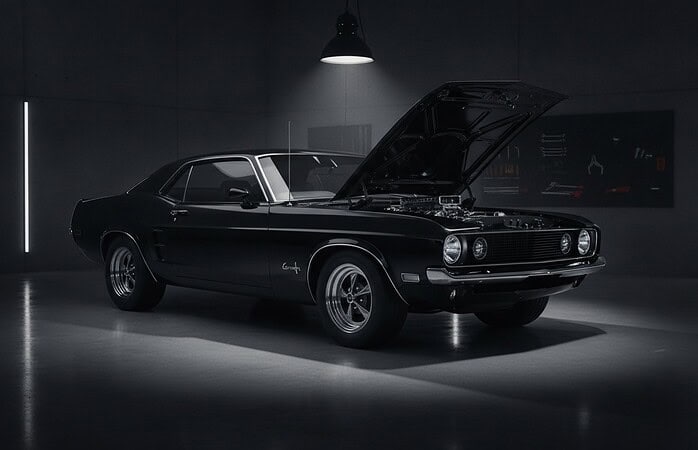

The most significant threat to your vintage asset isn’t a seized engine or hidden corrosion; it’s the absence of a rigorous financial framework. Without a structured classic car restoration payment schedule, even the most ambitious builds can descend into the purgatory of shop jail, where capital vanishes and progress stalls. It’s a frustrating reality many collectors face when budget creep turns a dream into a liability. You likely believe that a restoration should be a partnership of trust, not a black hole of hidden costs. We agree that your investment deserves the same precision as a custom-machined crankshaft. This guide will help you master the complexities of restoration billing, ensuring every dollar fuels tangible progress toward a world-class build.
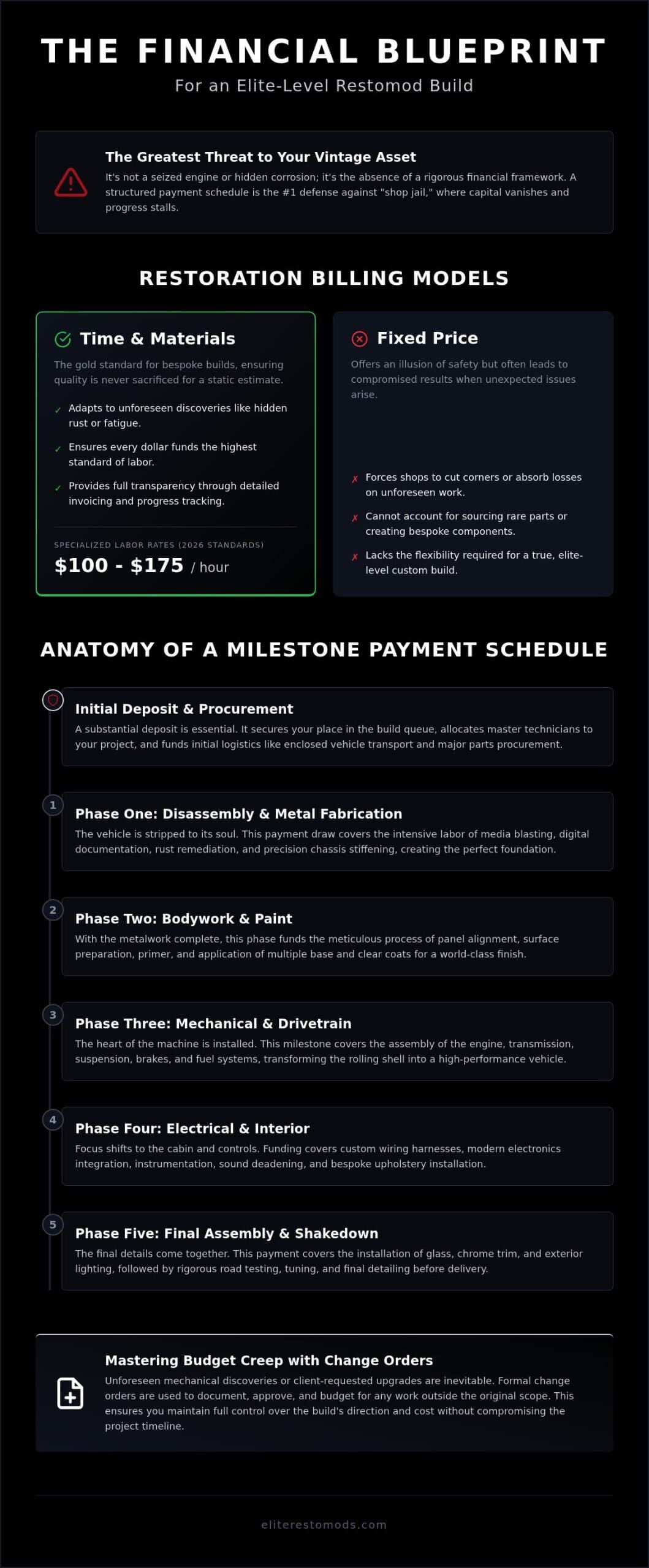
You’ll gain a clear roadmap of financial milestones that protects your capital and ensures your project remains a priority. We’ll explore the 2026 standards for specialized labor rates, which often range from $100 to $175 per hour, and examine how deposit structures secure your place in the build queue. From the initial teardown to the final realization of modern performance, we’re outlining the systematic path to a transparent, elite-level transformation that treats your vehicle as a bespoke piece of functional art.
Key Takeaways
- Understand why the time and materials model is the gold standard for bespoke builds and how it preserves the integrity of your project’s craftsmanship.
- Learn how to structure a classic car restoration payment schedule around tangible milestones like bodywork and mechanical assembly to keep your capital aligned with actual progress.
- Discover why substantial initial deposits are essential for securing master technicians and initiating logistical steps like enclosed vehicle transport.
- Master the use of formal change orders to navigate unforeseen mechanical discoveries. This ensures you maintain control over the build without compromising the project’s timeline.
- Experience the Elite Certified journey where transparency and meticulous project management transform a complex restoration into a predictable, world-class reality.
Restoration Billing Models: Time and Materials vs. Fixed Price
The financial architecture of a world-class build begins with a fundamental choice. You aren’t just selecting a billing method; you’re choosing a philosophy of craftsmanship. For an elite restoration, the choice usually narrows to two paths: fixed price or time and materials. While a fixed quote offers the illusion of safety, it often clashes with the unpredictable nature of vintage steel. Master builders prioritize the time and materials model because it ensures the quality of the build is never sacrificed for a static estimate. This approach allows a classic car restoration payment schedule to remain flexible, adapting to the meticulous needs of the vehicle as it evolves from a relic into a bespoke piece of functional art.
Specialized labor rates in 2026 reflect the high level of expertise required for these projects. Professional shops typically charge between $100 and $175 per hour for master-level fabrication and mechanical engineering. These rates support the precision work necessary for a comprehensive restoration process where every bolt is inspected and every panel is perfected. When modern engineering, such as advanced fuel injection or custom suspension geometry, is integrated into a vintage chassis, the billing cycles must account for the intensive diagnostic and fitment time that off-the-shelf solutions can’t provide.
The Limitations of Fixed-Price Restoration Quotes
Fixed-price quotes are often a siren song that leads to compromised results. Once the teardown begins, master technicians frequently encounter hidden rust or structural fatigue that was invisible during the initial assessment. A static budget doesn’t account for these discoveries, forcing a shop to either absorb the cost or cut corners to stay profitable. Sourcing rare components or creating one-off bespoke parts can also cause massive fluctuations in material costs. Professional builders prefer the transparency of actual hours worked, ensuring your capital is always buying the highest standard of labor rather than a rushed solution designed to fit a pre-set price point.
Maximizing Value in a Time and Materials Agreement
Transparency is the cornerstone of a successful time and materials partnership. At Elite Restomods, we utilize a systematic build process that leverages digital documentation to verify every labor hour spent on your asset. This ensures you aren’t just paying for time; you’re investing in documented progress. To maintain financial control, we recommend setting labor caps and scheduled review periods. This allows you to monitor the classic car restoration payment schedule in real time, seeing exactly how your investment is being utilized to marry brute force with refined comfort. Modern workshop technology, from 3D scanning to precision machining, further enhances efficiency, ensuring every hour billed moves the project closer to its high-performance reality.
The Anatomy of a Milestone-Based Payment Schedule
A master builder views a project as a sequence of technical triumphs. To ensure your capital is utilized with surgical precision, a milestone-based classic car restoration payment schedule is essential. This structure replaces the anxiety of open-ended billing with a system of tangible progress draws. By tying invoices to specific physical achievements, you maintain a clear view of your project’s momentum. This transparency is the most effective defense against shop jail, where vehicles sit untouched while funds are diverted elsewhere. Proper financial discipline in restoration ensures that every dollar you invest is converted directly into hours on the shop floor or high-performance hardware for your build.
Phase One: Disassembly and Metal Fabrication
The chassis is stripped. The soul is revealed. This initial phase requires intensive labor as master fabricators meticulously inventory every vintage component before beginning the surgical process of metal repair. Funding at this stage covers several critical tasks:
- Exhaustive cataloging and digital documentation of the original asset
- Media blasting to reveal the true state of the vintage steel
- Precision metalwork, including rust remediation and chassis stiffening
Ensuring this foundation is fully funded prevents delays during the most labor-intensive portion of the build. It’s the stage where the structural integrity of your functional art piece is solidified.
Phase Two: Mechanical Integration and Paint
The build begins to breathe. This milestone focuses on the marriage of brute force and refined aesthetics. Payments are structured to cover the procurement of high-performance powerplants and the artisanal labor required for a world-class finish. This phase includes the integration of modern drivetrain components and the multi-stage application of premium paint. Testing these modern systems within the vintage shell serves as a billable milestone, proving that the modern engineering is functioning in harmony with the classic design. You can learn more about how we manage these technical stages by reviewing our Elite Certified process.
Phase Three: Interior Craftsmanship and Final Assembly
The final transformation is visceral. In this concluding phase, the focus shifts to bespoke artisanal interiors and advanced electronics. Funding supports the creation of custom-tailored cabins that offer modern comfort without losing the vehicle’s historical essence. This period involves rigorous reliability testing and fine-tuning to ensure the car is daily-driver ready. The final balance payment is typically made upon the successful completion of these tests, marking the delivery of an investment-grade asset. A professional classic car restoration payment schedule concludes only when the vehicle meets the exacting standards of the master builder and the vision of the owner.
Deposit Structures and Initial Material Procurement
A substantial initial deposit is the hallmark of a professional restoration firm. It signals a mutual commitment to excellence. In the world of high-end restomods, this first installment on your classic car restoration payment schedule does more than just fill a bank account. It secures your place in a competitive build queue and allows the shop to allocate its most skilled master technicians to your specific asset. For a project targeting the marriage of brute force and refined comfort, this early capital injection is vital. It protects the curator’s time and ensures the client that their vision is officially on the roadmap to reality.
Front-loading capital is a logistical necessity for world-class builds. Unlike simple repair shops that bill after the work is done, elite builders must procure major components months or even years in advance. This ensures that when the chassis is ready, the high-performance hardware is already on-site. Professional shops provide total transparency through detailed material invoices, ensuring you know exactly where your investment is going from day one. This initial phase often includes logistical steps like enclosed vehicle transport to bring your asset into the care of the master builder.
Sourcing High-Performance Components
Modern engineering requires specialized hardware. Pre-paying for crate engines, custom-tuned suspensions, and bespoke braking systems is standard practice in 2026. The global automotive supply chain still faces significant lead times for high-performance components, making early procurement a strategic advantage. By securing these parts early in the classic car restoration payment schedule, you avoid the delays that often plague lesser builds. This proactive approach keeps the project moving forward without the friction of missing parts or backordered tech, ensuring the build process remains steady and purposeful.
Project Planning and Engineering Fees
The most critical investment happens before a single wrench turns. This is the planning phase. It involves the creation of detailed digital renders, chassis blueprints, and precise engineering specifications. These elements form the technical foundation of your build, allowing for total cost control and a clear vision of the final product. Consulting with the experts at Elite Restomods for their Custom Build Services allows you to define the project scope with absolute clarity. This phase isn’t just about aesthetics; it’s about engineering the soul of the machine to ensure modern operational reliability meets vintage design. It’s the bridge between a long-held dream and a tangible, high-performance reality.
Managing Budget Creep and Change Orders
The metal reveals its secrets only after the paint is gone. For many owners, the media blasting stage is a visceral moment of truth where the history of the vehicle is finally laid bare. You might discover that a previous repair was merely a cosmetic mask for structural fatigue or deep-seated oxidation. This is where budget creep often begins. In a professional environment, it doesn’t have to be a source of anxiety. A formal change order acts as the essential bridge between your original vision and the mechanical reality of the vintage asset. By documenting these discoveries immediately, the curator ensures that the classic car restoration payment schedule remains a reflection of the build’s actual requirements, not a series of unwelcome surprises.
Maintaining the narrative arc of the build requires clear financial documentation. Whether you’re handling an unforeseen mechanical issue or deciding on an aesthetic pivot, every shift impacts the timeline. These adjustments are not failures of planning; they’re refinements in the pursuit of excellence. High-end restorations are fluid. A transparent billing system allows you to see how each decision enhances the final value of your functional art piece. It ensures the story of the build is one of progress rather than frustration.
The Formal Change Order Process
Every deviation from the initial build sheet requires a written signature. This isn’t just bureaucracy; it’s a protection for your investment. A professional shop will pause to explain the technical necessity of a change, providing a detailed breakdown of the additional labor or parts required. This process allows for the classic car restoration payment schedule to be adjusted in real time. It ensures that milestone payments reflect the current state of the project. Clear communication during these pivots prevents friction during the final assembly phase, keeping the partnership focused on the ultimate goal of perfection.
Contingency Planning for High-Value Restorations
A healthy restoration project always includes a contingency fund. Industry standards suggest setting aside 10 to 20 percent beyond the initial estimate to account for the known unknowns of vintage automotive work. This capital allows you to address structural discoveries without stalling the project’s momentum. If a discovery leads to an opportunity for significant performance upgrades, you can review our latest build journals to see how other collectors have balanced upgrades with their financial goals. Balancing the desire for a world-class build with the reality of the budget requires a curator who values transparency as much as craftsmanship. To begin planning your bespoke project with a team that respects your capital, explore our custom build services.
The Elite Build Process: Transparency as a Standard
The Elite Certified journey redefines the restoration experience by treating every project as a curated narrative. It’s the ultimate marriage of historical soul and contemporary operational reliability. This standard ensures that your vehicle isn’t just a nostalgic relic; it’s a high-performance machine capable of modern use. A structured classic car restoration payment schedule serves as the backbone of this transparency, providing a clear financial narrative that mirrors the physical evolution of the build. Beyond the workshop, our ecosystem supports the entire lifecycle of your asset, from climate-controlled storage to our professional consignment program, ensuring your investment remains protected and liquid.
Transforming a long-held dream into a high-performance reality requires more than just mechanical skill. It demands a professional partnership built on trust and meticulous project management. By aligning your capital with the systematic, logical breakdown of technical work, you ensure that every hour spent in the shop adds measurable value to your asset. This approach distinguishes a world-class curator from a traditional restorer, positioning the build process as a transformative journey rather than a simple transaction.
Digital Transparency and Client Participation
Modern technology allows you to step inside the workshop from anywhere in the world. Accessing real-time updates and photographic evidence of build progress is a standard feature of our process. The master builder acts as a world-class curator of your asset, documenting every weld, stitch, and mechanical calibration. This level of involvement ensures you’re never left wondering about the status of your project. Reviewing the Elite Restomods process provides total peace of mind, knowing that your capital is being used efficiently to achieve a world-class finish.
Securing Your Investment-Grade Future
A professional payment schedule is more than a budgeting tool; it’s a component of the vehicle’s provenance. Clear financial documentation and a history of milestone-based draws increase the vehicle’s eventual resale value by proving the depth of the restoration. There’s a unique confidence that comes from driving a fully sorted, investment-grade restomod that has been built with financial and mechanical precision. You can see the results of this meticulous planning by browsing our current inventory, where every vehicle represents the pinnacle of brute force and refined comfort. This systematic approach ensures that your asset is ready to be utilized and enjoyed, not just displayed.
Engineering the Future of Your Legacy
The journey from a vintage relic to a high-performance masterpiece requires more than just mechanical skill; it demands a partnership built on absolute financial clarity. By adopting a disciplined classic car restoration payment schedule, you transform a complex build into a manageable sequence of technical triumphs. You’ve learned how milestone-based draws protect your capital and how formal change orders ensure your vision remains the priority. This transparency is the foundation of an investment-grade asset that balances raw power with refined comfort.
At Elite Restomods, we provide the security of an Elite Certified restomod quality assurance process and the flexibility of specialized classic car financing partnerships. From the moment your vehicle enters our secure enclosed vehicle transport, your dream is in the hands of world-class curators. It’s time to bring your automotive legacy into the modern era with the precision it deserves.
Commission your dream custom restomod build with Elite Restomods today and experience the pinnacle of bespoke craftsmanship. Your vision is ready for the road.
Frequently Asked Questions
What is a typical deposit for a high-end restomod build?
A substantial initial deposit is the industry standard for securing a position in a world-class build queue. For a project of this magnitude, you should expect an upfront commitment that covers project planning and initial material procurement. This payment allows us to allocate master technicians and initiate logistical steps like enclosed vehicle transport. It acts as a mutual guarantee of commitment between the curator and the client for the duration of the build.
How often should I receive invoices during a classic car restoration?
Invoicing usually follows a milestone-based classic car restoration payment schedule to ensure transparency. You’ll typically receive progress draws monthly or upon the completion of major technical phases like metal fabrication or mechanical integration. This rhythm keeps you informed of the project’s momentum while ensuring that capital is injected exactly when it’s needed for labor or high-performance components. It prevents the financial friction often found in less structured restoration projects.
Can I use classic car financing to pay for a restoration schedule?
You can definitely utilize specialized classic car financing to fund your restoration journey. Many collectors use these tailored loan products to manage their liquidity while pursuing a world-class build. Elite Restomods maintains partnerships with lenders who understand the unique value of an investment-grade restomod. These options allow you to bridge the gap between your long-held dream and a tangible, high-performance reality without compromising your broader financial portfolio.
What happens to my payment schedule if the shop finds hidden rust?
The discovery of hidden rust or structural fatigue is managed through a formal change order process. When the media blasting reveals the true state of the vintage steel, the curator will document the findings and provide a technical breakdown of the necessary repairs. This will result in an adjustment to your classic car restoration payment schedule, ensuring that the additional labor and materials are transparently accounted for before the build continues.
Are parts and labor billed separately in a restoration payment plan?
Parts and labor are generally billed as distinct line items to maintain financial clarity. Labor is billed at specialized hourly rates for master-level fabrication, while major components like crate engines or custom suspensions are front-loaded in the billing cycle. This separation allows you to see exactly how your investment is being utilized. It ensures you’re paying for the precise hours of craftsmanship and the high-performance hardware that defines an Elite Certified build.
How do I ensure my payments are being used for my specific car?
Professional shops ensure your capital is used appropriately through detailed digital documentation and real-time photographic updates. You should receive evidence of every weld, stitch, and mechanical calibration performed on your specific asset. This level of transparency acts as a quality assurance process, proving that your funds are being converted directly into tangible progress. It transforms the restoration from a simple transaction into a participatory journey where you’re always informed.
Should I expect a final ‘holding’ fee before the car is delivered?
You shouldn’t expect a holding fee, but you will encounter a final balance payment before delivery. This installment covers the final assembly, artisanal interior finishing, and extensive reliability testing. It’s the final step in the quality assurance process, ensuring the vehicle is fully sorted and ready for the road. Once the final testing is complete and the balance is settled, the vehicle is released from our care to your private collection.
Is it possible to pay for a restoration in a single lump sum?
While it’s possible to pay in a single lump sum, most professional builders advise against it. A milestone-based structure is safer for both the owner and the shop, as it aligns the cash flow with the physical progress of the vehicle. This method provides you with regular opportunities to review the work and ensures the shop remains focused on your project’s specific timeline. It maintains a healthy, transparent partnership throughout the multi-year build.