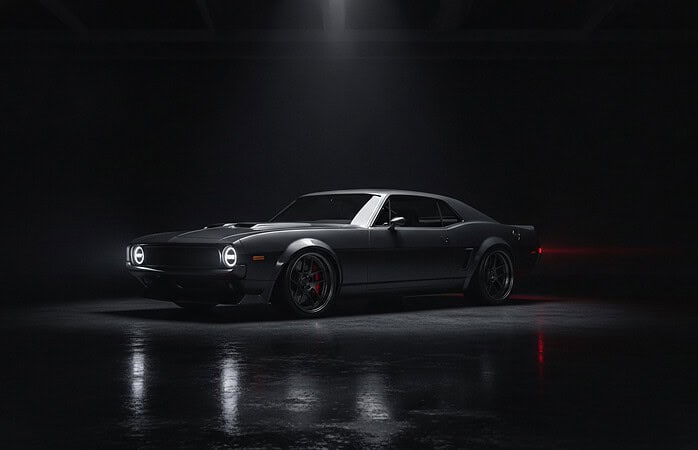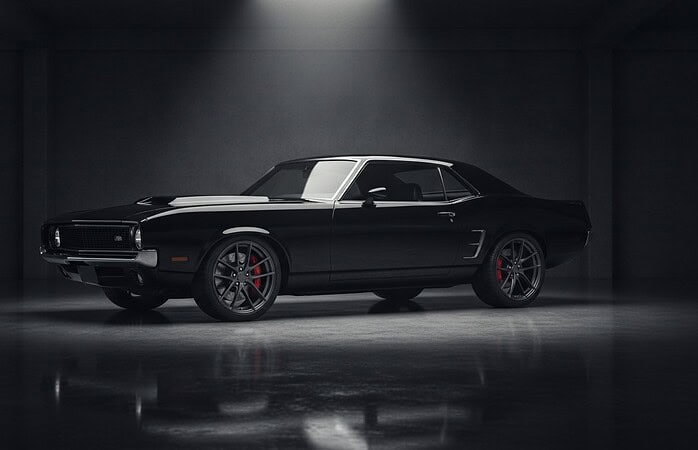

A vintage icon belongs on the asphalt, not confined to a climate-controlled trailer. While the global classic car restoration market is projected to reach $7.9 billion in 2026, the true value of these machines lies in the visceral experience of the drive. Yet, the thought of preparing a classic car for a long road trip often brings a wave of mechanical anxiety. You worry about a cooling system failing in heavy traffic or an aging electrical harness surrendering miles from home. It’s a common fear that keeps many beautiful builds locked away.
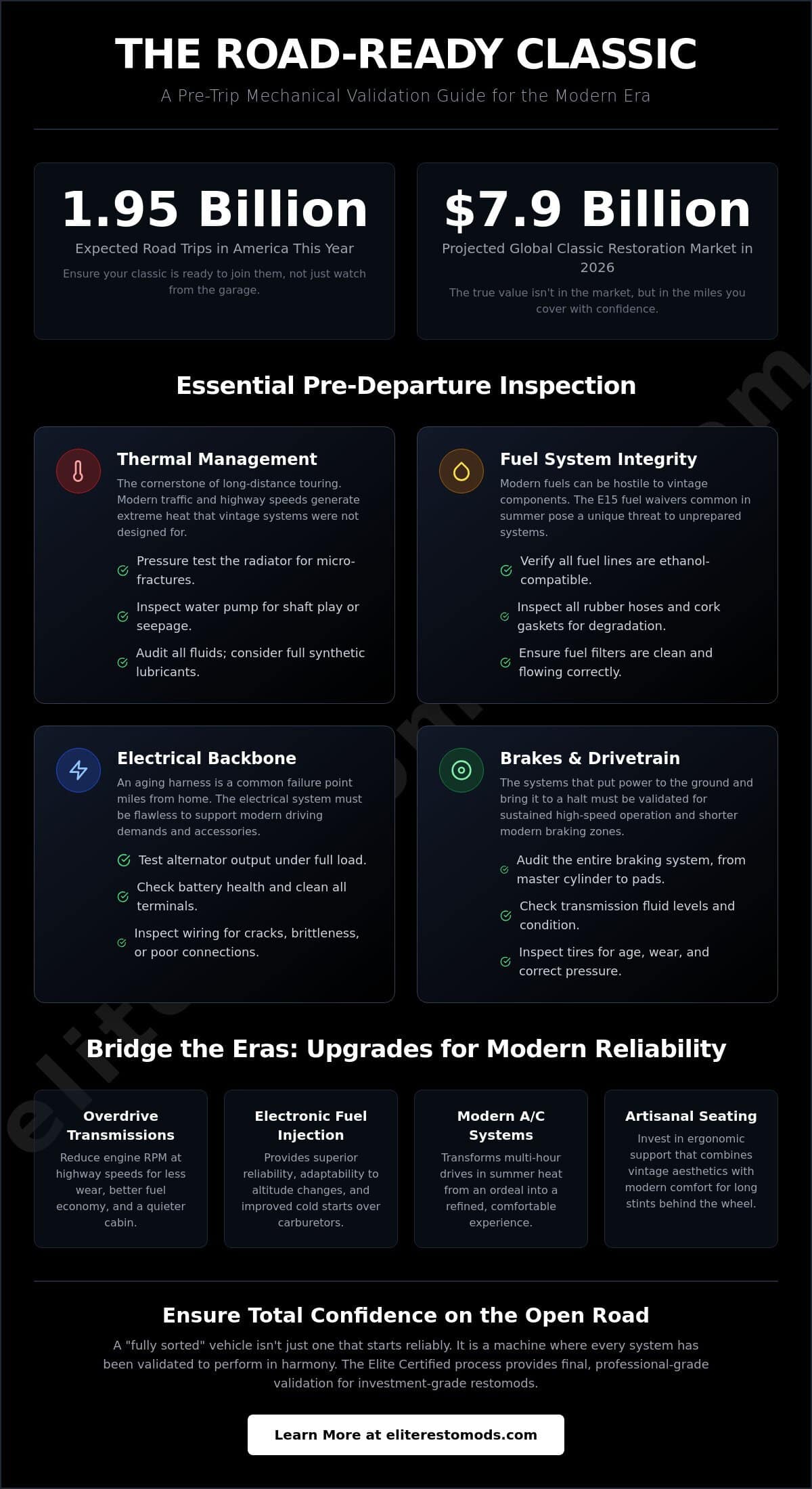
We believe your vehicle should perform with the unwavering precision of a modern machine without losing its historic soul. This guide will help you master the art of mechanical validation, ensuring total confidence before you join the 1.95 billion road trips expected across America this year. You’ll learn how to audit your braking system, navigate the temporary E15 fuel waivers common in the summer of 2026, and decide when a component needs a simple repair or a high-performance upgrade. From a meticulous pre-trip inspection checklist to hardening your electrical system, we’re providing the roadmap to a seamless journey.
Key Takeaways
- Validate your vehicle’s thermal management through rigorous pressure testing and fluid audits to withstand the relentless demands of sustained highway speeds.
- Discover how integrating modern overdrive transmissions and Electronic Fuel Injection bridges the gap between vintage aesthetics and contemporary operational reliability.
- Learn the essential systematic approach to preparing a classic car for a long road trip by focusing on high-stress mechanical validation rather than simple aesthetic maintenance.
- Optimize your touring experience by verifying A/C integrity and investing in artisanal seating that transforms multi-hour stints into a refined, visceral pleasure.
- Understand the value of the Elite Certified process in providing a final, professional-grade validation for investment-grade restomods before they hit the open road.
The Philosophy of the Long Drive: Why Preparation Defines the Classic Experience
The transition from a local Sunday morning drive to a three-state tour is more than a change in mileage. It’s a mental recalibration. A machine that thrives on a twenty-minute loop through the suburbs might buckle under the relentless pressure of a six-hour highway stint. While the aesthetic appeal of a vintage icon remains constant, its operational requirements shift dramatically once you commit to preparing a classic car for a long road trip. You aren’t just moving a vehicle; you’re managing a complex mechanical ecosystem through varying altitudes and climates.
Modern interstates demand a level of resilience that wasn’t required in 1965. Traffic flows faster. Braking zones are shorter. The heat radiating from miles of fresh asphalt can overwhelm a cooling system designed for a different era. Understanding what defines a classic car today often centers on this very tension between historical character and modern capability. A running car is a hobby; a road-ready investment is a masterpiece of engineering. To better understand this concept, watch this helpful video:
Heritage vs. Modern Road Demands
Vintage radiators often struggle with the thermal load of modern stop-and-go congestion. High ambient temperatures combined with high-rpm highway cruising create a perfect storm for thermal failure. Additionally, the temporary E15 fuel waivers in effect for the summer of 2026 pose a unique threat to aging fuel delivery components. Ethanol is hygroscopic and corrosive to original rubber lines and cork gaskets. What passes for “good enough” at a local car show becomes a significant liability when you’re two hundred miles from the nearest specialist.
The Concept of the Fully Sorted Vehicle
A “fully sorted” vehicle isn’t just one that starts reliably. It’s a machine where every system has been validated through a systematic restoration process to ensure harmony. This level of perfectionism is what separates a project car from an elite asset. Documentation is the currency of trust here. A comprehensive service history and a rigorous validation protocol reduce roadside anxiety, transforming the drive from a stressful gamble into a refined, visceral experience. When preparing a classic car for a long road trip, this systematic approach ensures the only thing you’ll be focusing on is the horizon.
Essential Mechanical Systems: A Comprehensive Pre-Departure Inspection
Excellence in the garage translates to reliability on the interstate. When you begin preparing a classic car for a long road trip, the process must be as meticulous as the initial build. It’s a systematic validation of every high-performance component. We aren’t just looking for leaks; we’re auditing the mechanical integrity of the entire machine. This level of rigor ensures that your vintage icon remains a source of pride rather than a source of frustration. If you’re considering a new addition to your collection, reviewing our current inventory can show you the standard of readiness we demand.
Thermal management is the cornerstone of long-distance touring. Start by pressure testing the radiator to identify micro-fractures that only manifest under sustained heat. Inspect the water pump for any sign of shaft play or coolant seepage. Fluid dynamics play a vital role here. Transitioning to full synthetic lubricants can offer a significant advantage for your vintage block. Modern synthetics maintain their viscosity and thermal stability far better than traditional mineral oils during eight-hour highway stints, protecting vital engine internals from the friction of high-speed travel.
The electrical backbone must be flawless. Test the alternator output under full load and verify the battery’s cold-cranking amps. Braking confidence is equally paramount. Inspect every inch of the hydraulic lines for dry rot, swelling, or corrosion. A firm, consistent pedal is non-negotiable. Finally, check your tire date codes. High-speed safety depends on the structural integrity of the rubber. Tires older than six years are often compromised by internal oxidation, even if the tread looks pristine. This level of detail is standard in any professional vintage car road trip preparation strategy.
Cooling and Lubrication Vitality
Flush the entire cooling system to remove scale and sediment that could restrict flow at high RPMs. A failing thermostat is a silent killer. If yours shows any sign of hesitation or is of unknown age, replace it with a high-flow unit. Don’t overlook the transmission and differential. Check these fluids for a burnt scent or metallic debris, which indicates thermal breakdown from past excursions. Fresh, high-grade fluids are the cheapest insurance policy for a cross-country journey.
The Electrical and Ignition Audit
Consistency is key for modern EFI systems and traditional ignitions alike. Clean every grounding point to the chassis to ensure a stable voltage signal. Inspect your spark plug gaps and verify ignition timing to maximize fuel efficiency across varying altitudes. Lastly, verify that every external light is functioning perfectly. Safety and compliance are essential when crossing state lines in a bespoke piece of functional art. Preparing a classic car for a long road trip requires this uncompromising attention to the smallest wire and bulb.
Bridging the Eras: Upgrading for Modern Highway Reliability
A vintage icon with a three-speed transmission is often a prisoner of the right lane. Modern interstates flow at 75 mph or higher. Sustaining those speeds in a car geared for 1950s parkways is an exercise in mechanical stress. This is where the art of preparing a classic car for a long road trip evolves from simple maintenance to strategic transformation. You aren’t just fixing the old; you’re integrating the new to survive the relentless pace of modern travel.
Electronic Fuel Injection (EFI) vs. traditional carburetors is a primary consideration for the serious tourer. Carburetors are charming until you hit the Rockies or a humid coastal plain. EFI systems adapt in real-time to oxygen density and ambient temperatures. They ensure a crisp throttle response whether you’re at sea level or crossing a high-altitude pass. This unwavering reliability is a core tenet of our custom build services. We marry period-correct aesthetics with modern operational precision, allowing you to focus on the scenery rather than the fuel mixture.
High-speed stability requires more than fresh shocks. Upgrading to tubular control arms and coilovers eliminates the “float” typical of vintage geometry. It keeps the contact patch flat and the chassis composed during high-speed cornering. Pair this with a four-wheel disc brake conversion. Horsepower is intoxicating, but stopping power is what allows you to truly relax behind the wheel. Modern traffic density makes these upgrades a matter of safety, not just preference.
Transmission and Gear Ratios
Modern overdrive units are the ultimate touring upgrade. A 0.67 overdrive ratio can drop engine RPM by nearly 30% at highway speeds. This reduces heat, vibration, and internal wear. A locking torque converter in an automatic swap eliminates slip, lowering transmission temperatures. It’s the difference between an engine screaming at high RPM and a calm, efficient cruise. You’ll enjoy improved fuel economy and a quieter cabin.
Precision Steering and Handling
Replacing a vague steering box with a rack-and-pinion setup transforms the drive. It provides the tactile feedback necessary to navigate narrow lanes with absolute confidence. High-performance bushings replace soft, degraded rubber to sharpen response and eliminate vibrations. Finally, a professional alignment tailored for radial tires is the foundational step when preparing a classic car for a long road trip. It ensures your investment tracks straight across every mile.
The Road Trip Survival Kit: Cabin Comfort and Emergency Preparedness
The cockpit of a vintage icon should be a sanctuary. When preparing a classic car for a long road trip, the mechanical validation of the drivetrain is only half the battle. If the cabin is a cacophony of road noise and radiant engine heat, even the most legendary machine becomes a burden. True luxury lies in the marriage of heritage design and modern comfort. We treat the interior as a bespoke environment where every tactile surface and acoustic detail is engineered to combat driver fatigue. A long drive should be an invitation to enjoy the machine, not a test of physical endurance.
Start with the atmosphere. Verify the air conditioning charge and the integrity of the heater core. A heater core failure in the cabin during a mountain pass is more than an inconvenience; it’s a safety hazard. High-end artisanal seating is another essential investment. Original spring-and-foam benches often lack the lumbar support required for multi-hour stints. Modern sound deadening materials, applied strategically beneath the carpet and inside door cavities, transform the acoustic profile of the car. You want to hear the visceral roar of the exhaust, not the relentless hum of the tires. Integrated tech, such as hidden Bluetooth modules and GPS, provides modern utility without compromising the traditional aesthetic of the dashboard.
Optimizing the Driver Environment
Protecting the cabin from the drivetrain’s thermal signature is vital. Apply high-performance heat shielding to the floor pan and firewall to prevent exhaust heat from migrating into the footwell. Calibrate every gauge to ensure you have real-time, accurate data on oil pressure and water temperature. Visibility is paramount. If your gauges are dim or flickering, consider an LED conversion that maintains a period-correct warm glow. Finally, inspect your weatherstripping. New, high-quality seals maintain cabin pressure and keep the elements out, ensuring a refined experience regardless of the weather.
The Emergency Contingency Plan
Even a perfectly sorted machine requires a safety net. Assemble a specialized tool roll containing the “unobtainable” parts specific to your build. This includes custom belts, unique relays, and specific hoses that a local auto parts store won’t stock. Always carry a fire extinguisher rated for automotive use, mounted within reach of the driver. Despite every precaution, the road can be unpredictable. For the ultimate peace of mind, our enclosed vehicle transport service offers a professional recovery option for high-value assets should the journey take an unexpected turn. Preparing a classic car for a long road trip means respecting the machine enough to plan for every scenario.
The Elite Service Advantage: Professional Validation for Peace of Mind
Excellence is a habit, not a single act. While the previous sections have detailed the technical rigors of preparing a classic car for a long road trip, the ultimate level of readiness comes from a professional validation protocol. There is a profound psychological shift that occurs when you know your vehicle has been scrutinized by a master builder. This is the “fully sorted” philosophy. It moves beyond simple repairs to ensure every mechanical ecosystem within the car works in perfect harmony. It transforms a vintage asset into a reliable touring machine capable of crossing continents without hesitation.
Our commitment to this standard is most evident in our Elite Certified Restomods. This isn’t a mere safety inspection; it’s a comprehensive certification process that audits the vehicle’s structural, mechanical, and aesthetic integrity. We also offer a professional consignment program where every vehicle is vetted to ensure it meets our exacting standards before reaching a new owner. Even when you aren’t on the road, our climate-controlled storage prevents the subtle degradation of seals and fluids that often occurs in standard garages. This proactive care ensures that your machine is always a turn of the key away from its next adventure.
The Quality Assurance Protocol
The Elite Certified process involves rigorous testing phases designed to stress-test components in real-world conditions. We identify potential failures in the shop so they never happen on the shoulder of an interstate. A master builder’s perspective is invaluable here. They understand how a specific steering geometry interacts with modern radial tires or how a high-output alternator affects a vintage wiring harness. This meticulous build process is the foundation of long-term operational reliability. We don’t just build cars; we curate high-performance experiences that respect the soul of the original design while embracing the confidence of modern engineering.
Sourcing Your Next Long-Distance Legend
If you don’t yet have the perfect foundation for your journey, our vehicle sourcing service can find the exact model you’ve envisioned. We look for the ideal balance of heritage and potential, ensuring the car can handle the upgrades necessary for modern touring. For those ready to drive today, we invite you to view our current inventory of elite classics. Each vehicle in our collection has undergone our systematic validation, making them the premier choice for the Great American Road Trip. Whether it’s a custom build designed specifically for your travel style or a curated legend from our showroom, we provide the bridge between your long-held dream and a high-performance reality. Preparing a classic car for a long road trip is a journey of its own, and we are here to ensure every mile is defined by visceral joy and absolute precision.
Seizing the Horizon with Absolute Confidence
The open road is the ultimate proving ground for a vintage icon. True reliability isn’t a matter of luck; it’s the result of a systematic harmonization between historical soul and modern engineering. By prioritizing thermal management, validating your electrical backbone, and integrating strategic upgrades like overdrive transmissions, you transform a fragile relic into a high-performance touring machine. Preparing a classic car for a long road trip requires a commitment to excellence that ensures every mile is defined by the visceral roar of the engine rather than the anxiety of the unknown.
When you demand a vehicle that performs with modern precision, professional validation is the final step. Our Elite Certified quality assurance process guarantees that every component has been scrutinized for investment-grade reliability. Whether you’re utilizing our specialized classic car financing or relying on our nationwide enclosed vehicle transport, we provide a seamless bridge to your next great journey. Discover our collection of road-ready, investment-grade restomods and reclaim the joy of the drive. Your masterpiece is waiting for the horizon.
Frequently Asked Questions
Is it safe to drive a 50-year-old classic car on a 1,000-mile road trip?
Yes, driving a vintage icon over long distances is entirely safe if the machine has undergone rigorous mechanical validation. Age is merely a number; the true metric is the integrity of the build. By integrating modern safety features like three-point harnesses and radial tires, you ensure the car remains composed. It allows you to focus on the visceral thrill of the journey rather than the limitations of 1970s technology.
What are the most common mechanical failures on classic car road trips?
Cooling system failures and electrical gremlins dominate roadside incidents. Clogged radiators, failing water pumps, and degraded wiring harnesses are frequent culprits. These issues often remain hidden during short Sunday cruises but manifest quickly under the relentless pressure of sustained highway speeds. Regular maintenance often overlooks the internal corrosion of old components, making a systematic pre-trip audit essential for any long-distance excursion.
Should I switch to synthetic oil before a long-distance drive in a vintage engine?
Yes, modern synthetic oils offer superior thermal stability and friction reduction during extended highway stints. They provide a specialized level of protection that mineral oils cannot replicate, especially in high-altitude environments. However, you must first verify that your seals are in good condition. Synthetics can sometimes find leaks in aged cork or paper gaskets that traditional mineral oils might miss due to their larger molecular structure.
How can I prevent my classic car from overheating in heavy highway traffic?
Preparing a classic car for a long road trip requires a focus on airflow. Beyond a clean radiator, ensure your cooling system includes a high-shroud electric fan. This setup provides consistent pull even when idling in stagnant traffic. High-performance coolants with wetting agents also lower cylinder head temperatures, protecting your investment from the extreme thermal loads and radiant heat of modern highway congestion.
What tools should I always carry in my classic car survival kit?
Carry a high-quality multi-meter, a set of flare nut wrenches, and specialized ignition files. You should also include a portable jump starter and a comprehensive set of screwdrivers. These tools allow you to diagnose electrical gremlins or fuel delivery issues that a standard roadside service might not understand. Having a bespoke tool roll ensures you can perform field repairs when parts stores are miles away.
Is a disc brake conversion necessary for long-distance touring?
It is highly recommended for safety and confidence in modern traffic. Drum brakes are prone to fade during repeated high-speed stops or long mountain descents. A front disc conversion provides the consistent stopping power needed when navigating the unpredictable density of today’s interstates. It transforms the driving experience, replacing the anxiety of long braking distances with the refined precision of modern engineering.
How do I find a reliable mechanic if I break down far from home?
Utilize specialized classic car forums and digital networks dedicated to your specific marque before you depart. Look for shops that specialize in vintage restoration rather than general modern repair. Often, local car clubs are the best resource for finding a curator who understands the soul of a vintage machine. Establishing these contacts early is a key part of preparing a classic car for a long road trip.
Does a restomod hold its value better than a standard restoration for frequent drivers?
Yes, the market increasingly favors usability and modern operational reliability. The global classic car restoration market is projected to reach $7.9 billion in 2026, driven by this demand for drivability. Restomods that combine traditional aesthetics with modern performance often command a premium. They offer a transformative journey that a static, original-only restoration cannot match, making them a superior choice for those who intend to actually drive their assets.