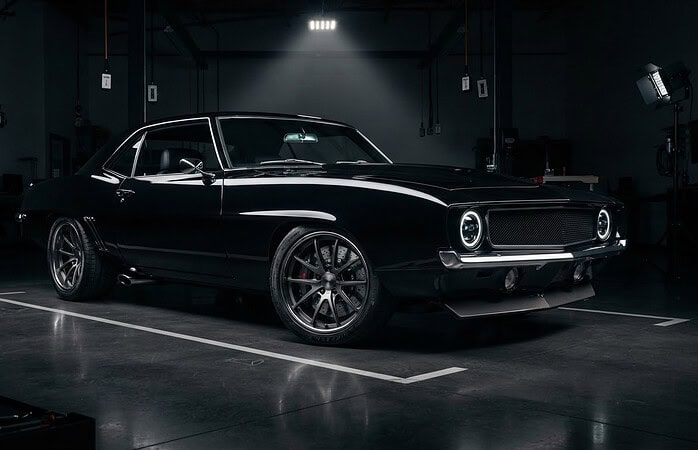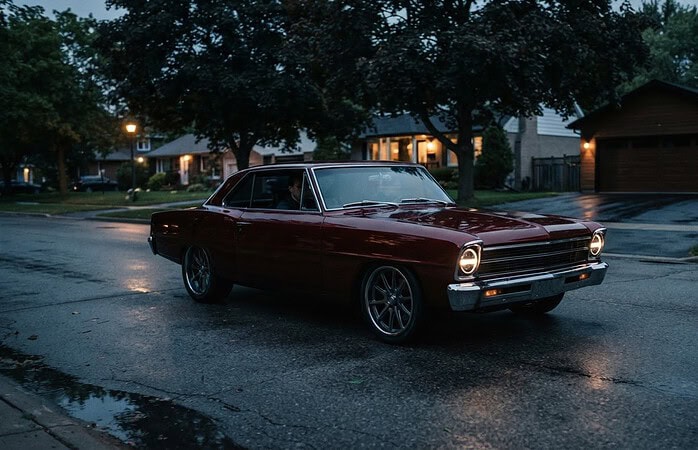

A classic asks more of its driver. In the classic car driving experience versus driving a modern car, the trade-off is between hands-on involvement and contemporary ease: a true classic still relies on 50-year-old engineering, while a modern car is designed around more recent expectations. Its character is part of the appeal, but so is the greater attention it can demand behind the wheel.
The difference is easy to feel. A classic’s shape, mechanical feedback, and cultural identity can make an ordinary drive feel like an occasion, while modern cars tend to prioritize everyday usability. Size matters, too: familiar models have grown over time, changing how they occupy the road and feel to drive. This guide covers the practical trade-offs of classic cars, the details that give them lasting appeal, and how size and weight shape the experience. You’ll come away with a clearer sense of which kind of drive suits you.
Key Takeaways
- Weigh the classic’s direct, analog feedback against the comfort and predictability you want for everyday driving.
- Consider how straightforward mechanical layouts can appeal to hands-on owners, while age and condition shape the ownership experience.
- Look beyond styling: a classic’s distinctive lines can carry cultural meaning that changes how the car feels to own and drive.
- Compare size and weight as well as appearance; generations of familiar models have grown, affecting their presence and feel on the road.
What are the downsides of driving a true classic?
A true classic can rely on 50-year-old engineering, so its controls demand more attention. The reward is direct feedback; the trade-off is less comfort and predictability.
Unfiltered Feel Versus Everyday Comfort
A classic often gives the driver more direct mechanical feedback, while modern conveniences can make the drive feel more insulated. Steering, engine response, and road texture may feel immediate rather than softened. That connection is part of the appeal, but it calls for attention, especially as traffic, road surfaces, or weather change. A modern car generally requires less effort during routine journeys.
Performance, Handling, Braking, and Safety
Classic and modern cars can differ in how they deliver power, corner, stop, and protect occupants. A classic may have less power assistance for steering and braking, and its suspension may communicate more road movement. Modern cars typically offer more predictable responses and contemporary safety features, making the difference especially relevant in dense traffic or during sudden maneuvers. Use measured inputs, leave extra stopping room, and learn a classic’s braking response before driving it faster.
Classic-car insurance can have different eligibility, storage, usage, and mileage terms from standard auto insurance. Check the policy’s permitted use and mileage limit to see whether it suits occasional drives or regular commuting.
In the United States, safety, emissions, registration, and inspection requirements depend on state rules and the car’s classification. The vehicle’s age, location, and intended road use determine which requirements apply, so there is no single checklist for every classic.
Before buying or driving a classic for the first time, inspect its brakes, tires, steering, lights, and any visible fluid leaks. Review the service records and, during a controlled drive, assess the clutch, transmission, and engine response. Confirm that the paperwork matches the vehicle’s identity, then get familiar with controls that differ from those in a modern car. For example, practice braking and turning at low speed before entering busy traffic.
Why do people still prefer classic car design?
Classic-car design can offer a physical clarity that newer vehicles may lack. A Ford Mustang’s long hood and restrained cabin, for example, make its mechanical purpose visible. Owners may value that directness as much as the shape: with fewer layers between driver and machine, everyday operation can feel understandable and involving.
That simplicity can make some repairs easier to understand. On a classic with a carburetor, mechanical linkages, and accessible engine components, a knowledgeable mechanic may be able to trace a fault through visible parts rather than electronic diagnostics. The layout can also help owners learn how the car works, from how throttle movement affects engine response to how a linkage connects a pedal to the mechanism it operates. The benefit depends on the car, its condition, and the repair. Worn parts, corrosion, and previous modifications can complicate work that might otherwise be straightforward.
Parts availability is another trade-off. Popular Chevrolet or Ford models may have a stronger supply of reproduction components than rare, low-volume marques. But replacement panels or trim may differ in fit or finish, and original components can be hard to find. Before choosing a car, identify its exact year and model, review its maintenance records, and find out which critical parts are present or need replacement. A missing specialist component can extend a repair, even when the underlying design is simple.
Purchase, insurance, maintenance, and repair costs depend on the model, condition, rarity, parts supply, and intended use. Modern-car costs also reflect warranty coverage, equipment, and service needs. Compare the full cost of ownership rather than the purchase price alone.
For a classic-car buyer, documented service history and a clear parts plan can matter as much as styling. A Ford Mustang with well-kept records presents a different ownership proposition from a similar-looking car with undocumented repairs. Classic-car financing can help with the purchase, while careful attention to condition and future maintenance helps match the car to how often you plan to drive it.

Distinctive classic-car styling and cultural identity
A 1965 Chevy Corvette communicates its era through proportions, detailing, and road presence. Classic styling can make a car recognizable before its badge comes into view. Curved bodywork, chrome trim, and a long hood create visual cues that modern designs often interpret differently. Those details carry meaning for owners who connect a model with a particular period, community, or personal memory. The car becomes more than transport; its shape signals the kind of automotive history the owner wants to keep present.
The Ford Mustang shows how design can become part of a broader cultural identity. It was unveiled at the New York World’s Fair on April 17, 1964. Ford expected to sell 100,000 Mustangs in its first year after the unveiling, yet more than 400,000 were sold in the first year. About 22,000 Mustangs were ordered on the first day of sales. Those figures help explain why the Mustang’s design became a recognizable symbol, not merely a styling exercise.
That recognition changes how a classic feels in public. A 1965 Corvette, for example, may attract attention because its silhouette and trim differ from current production cars. The article’s comparison estimates that a classic Corvette will draw more attention than a new Corvette nine times out of ten. Attention can be enjoyable, but it also makes the car’s condition and presentation more visible. Paint, brightwork, and period details all shape the impression it leaves.
When assessing a classic’s styling, consider authenticity and intended use alongside appearance. Compare the body lines, cabin details, and trim with the specific model year, then decide whether you want a faithful period look or a personalized interpretation. A Ford Mustang that preserves its defining design can express heritage, while a customized example can reflect its owner’s taste. The appeal lies in choosing a car whose visual identity means something to you, not treating classic style as decoration alone.
Classic and modern car size and weight
A car’s dimensions shape its presence, cabin space, and behavior in tight surroundings. The Volkswagen Golf has grown about 500 millimeters in length since its inception. That change shows how one familiar nameplate can occupy a different footprint across generations. A classic Golf may be easier to place in a narrow garage, while a newer example may offer more cabin room. The classic car driving experience vs modern car comparison starts with these practical differences, not styling alone.
Width matters, too. The Porsche 911 has grown about 100 millimeters in width. That broader stance can affect how the car feels on narrow streets, in older garages, and between parked vehicles. Compare specific model years instead of assuming a familiar badge means familiar dimensions. Measure your garage entrance and parking space, then consider door clearance. Even a modest increase can change how easily you use the car at home.
Weight adds another dimension to the comparison. The Mini has nearly doubled in weight since its inception. A heavier car can feel different when accelerating, changing direction, or braking because more mass is moving. The exact sensation depends on the car’s engineering and condition. This helps explain why a modern Mini may not deliver the nimble character its name suggests, and why weight matters for the roads you drive and your habits behind the wheel.
For a useful classic car driving experience vs modern car comparison, consider length, width, curb weight, seating, and visibility together. A classic’s smaller footprint may suit tight streets, while a larger modern car may offer more passenger room. No single measurement determines the better fit. Think about your routes, garage, passengers, and comfort maneuvering the vehicle. Compare actual model years, not just a nameplate’s reputation: a classic and its modern successor may share a badge but require different amounts of space on the road and at home.
Elite Restomods: Elite Certified Restomods
Elite Restomods offers Elite Certified Restomods for drivers drawn to classic styling who want a restomod rather than a traditional original. This can suit someone who values vintage character and wants a build shaped around modern expectations. The right choice still depends on your priorities: preserving a car’s original specification, enjoying a restomod, or creating a more personal interpretation.
Custom Build Services let you shape a classic into a car you want to drive. If you’re selling a vehicle, the Consignment Program can support the sale; Climate-Controlled Storage provides a dedicated place to keep a car. Each service serves a different stage of classic-car ownership.
Contact Elite Restomods to discuss which direction fits your automotive plans.
Choose the driving experience you want to live with
Choosing between a classic-car driving experience and a modern car is personal, but imagining an ordinary week behind the wheel can make the decision clearer. Look beyond the thrill of the first drive. Consider where you’ll take the car, how often you’ll use it, and whether you want to preserve its original character or create a more tailored interpretation. Those priorities can turn admiration into a choice that suits your life.
Before taking the next step, write down how you want the car to feel and look, and what role it should play in your routine. That brief gives your search direction and makes conversations about the right path more productive. A classic should be more than a beautiful object; it should suit the way you want to experience the road.
If you’re ready to explore your options, contact Elite Restomods. Your ideal balance of heritage and modern enjoyment can begin with a clear vision.
Frequently Asked Questions
How does driving a classic car differ from driving a modern car?
A classic often asks the driver to manage more of the car’s operation directly. Depending on the model, starting it may involve a manual choke, and gear changes may require more deliberate clutch timing. Modern cars can handle more tasks automatically. Before taking a classic on a long trip, practice its controls on familiar roads and learn how the engine responds at different speeds.
How do classic cars compare with modern cars in comfort, reliability, and fuel economy?
Modern cars generally offer more contemporary cabin amenities, while comfort in a classic depends on its seating, cabin design, and condition. Reliability in either era depends on maintenance, but an older car’s age and replacement-part needs can affect how often it requires attention. Fuel economy varies with the engine, gearing, vehicle condition, and driving style. Compare specific vehicles and their documented performance instead of relying on age alone.
Are classic cars safe to drive on highways and in everyday traffic?
A classic can be driven on highways and in traffic if its condition and equipment suit those demands. Safety varies by vehicle, and a classic may lack protective systems and driver-assistance features found in newer models. Before regular highway use, assess its tires, lights, steering, brakes, and cooling system. Consider whether its acceleration and visibility suit the roads and traffic speeds you encounter.
Are classic cars practical for daily driving compared with modern cars?
A classic can work for daily use, but its practicality depends on your commute, the car’s condition, and your tolerance for maintenance. Short local trips place different demands on a classic than daily congestion or changing weather. Consider whether you have dependable alternative transportation during repairs and whether the car’s storage, passenger space, and operating routine fit your everyday schedule.