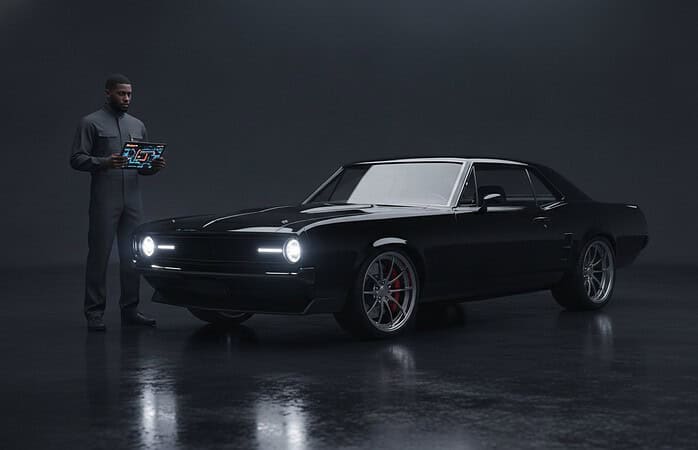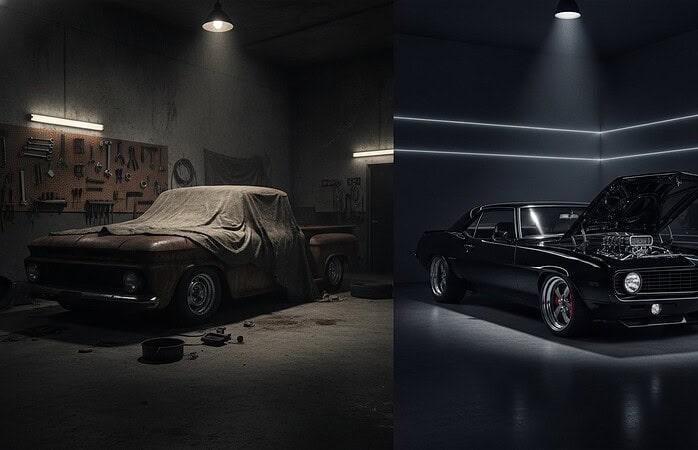

The most breathtaking vintage silhouette is little more than a static sculpture if it cannot survive a twenty-minute crawl through afternoon traffic. You’ve likely felt that sudden spike of anxiety when a temperature needle climbs or a mysterious vibration hums through the floorboards. It’s the classic collector’s paradox. You seek the soul of the past but demand the reliability of the present. You might find yourself asking, what does a fully sorted classic car mean when the stakes are this high? It means the difference between a high-value asset and a high-maintenance headache.
We agree that a six-figure investment should never break down on its first outing. This article reveals the technical benchmarks and rigorous stress testing that transform a standard restoration into an Elite Certified Restomod. You’ll gain a clear checklist to evaluate mechanical readiness and understand the meticulous work required to achieve true modern performance. We’ll explore how professional engineering eliminates hidden gremlins, ensuring your next acquisition is a masterpiece of both form and function. It’s time to bridge the gap between a long-held dream and a tangible, high-performance reality.
Key Takeaways
- Understand that true sorting is a rigorous engineering process that harmonizes vintage aesthetics with modern mechanical reliability.
- Learn what does a fully sorted classic car mean by looking beyond the surface paint to evaluate how a vehicle handles modern traffic and fuel requirements.
- Discover the importance of professional shakedown procedures, including repetitive heat-cycling, to eliminate hidden mechanical gremlins before the first drive.
- Gain a comprehensive framework for inspecting engine bays and undercarriages to verify a vehicle’s true mechanical readiness and build quality.
- Recognize why the Elite Certified standard serves as the industry benchmark for delivering a bespoke, high-performance driving experience without the typical vintage compromises.
Defining the Fully Sorted Classic Car: Beyond the Paint and Chrome
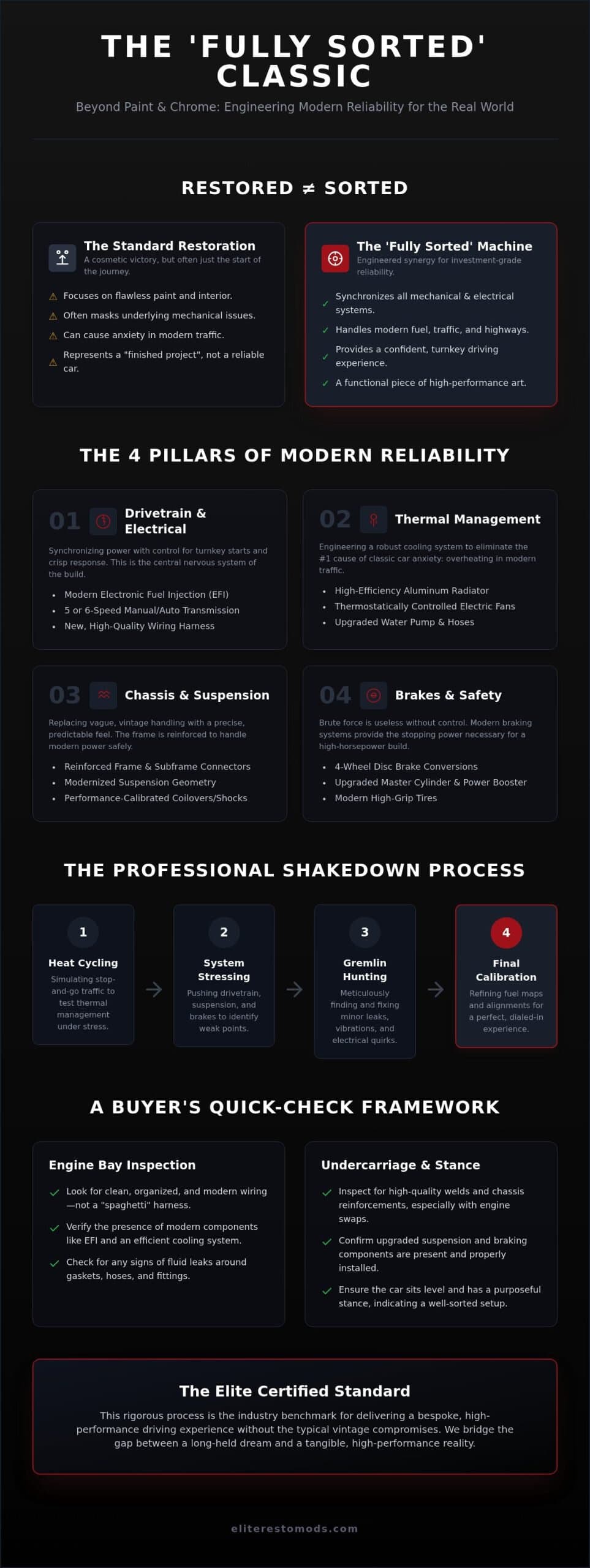
A classic car is often judged by the depth of its paint. While a mirror-like finish or concours-level interior is a triumph of craftsmanship, these are purely aesthetic victories. When clients ask, what does a fully sorted classic car mean, they are looking beneath the surface. They are questioning the vehicle’s operational state. Sorting is the invisible, deliberate process of synchronizing every mechanical and electrical system to ensure they perform as a single, cohesive unit. It’s the difference between a static show car that lives on a trailer and a high-performance machine ready for a cross-country tour. The goal is investment-grade reliability, a standard where the soul of a vintage asset is backed by the confidence of modern engineering.
The Core Concept of Mechanical Synergy
Mechanical excellence requires more than a collection of expensive parts. It demands synergy. Individual high-quality components must work in harmony to be considered truly sorted. Brute force is useless without control. If you install a high-horsepower engine swap, you must also integrate matching upgrades in cooling and braking systems. A massive V8 is a liability if the radiator can’t shed the heat or the drums can’t stop the weight. The broader field of Conservation and restoration of road vehicles often focuses on historical accuracy, but the sorting process prioritizes modern operational excellence. This includes the installation of modern wiring harnesses. These serve as the central nervous system of the build, replacing brittle, decades-old copper to prevent the electrical failures that plague most vintage cars.
Why ‘Restored’ Does Not Always Mean ‘Sorted’
A fresh restoration is often just the beginning. It’s a common misconception that a car is ready for the road the moment it leaves the paint booth. In reality, every new build undergoes a necessary teething period. This is a phase of discovery where minor leaks are identified, fastener tensions are checked, and fuel maps are refined. Cosmetic perfection can easily mask underlying mechanical disharmony. A car might look flawless under the lights of a showroom but stumble when asked to idle in ninety-degree weather. True sorting requires the patience to work through these initial miles. It’s a transformative journey that moves the vehicle from a finished project to a reliable, high-performance reality. Without this rigorous follow-through, a restoration remains a beautiful but fragile object rather than a functional piece of art.
The Pillars of a Sorted Machine: Engineering Modern Reliability
True mechanical reliability isn’t a happy accident. It’s the result of rigorous engineering that addresses the inherent weaknesses of vintage hardware. When exploring what does a fully sorted classic car mean, you must look at how the machine interacts with the modern world. Vintage drivetrains were designed for a different era of fuel chemistry and traffic patterns. Today, a sorted vehicle must navigate stop-and-go congestion and maintain highway speeds without hesitation. This requires a fundamental shift from simple repair to comprehensive modernization, adhering to professional SEMA standards for safety and performance integration.
- Modernized electrical systems eliminate the flickering gauges and erratic starting common in unrestored cars.
- Advanced suspension geometry replaces vague steering with precise, predictable handling.
- Reinforced chassis components ensure the frame can handle the torque of a modern power plant.
Drivetrain and Electrical System Synchronization
Achieving turnkey reliability starts with electronic fuel injection (EFI). While carburetors possess a certain nostalgic charm, they struggle with altitude changes and modern ethanol-blended fuels. A sorted machine utilizes EFI to provide crisp throttle response and consistent cold starts. This synchronization extends to the transmission. Integrating a modern five or six-speed gearbox transforms the highway experience, allowing the engine to sit at a comfortable RPM while cruising. You can learn more about how we achieve this balance by exploring our engineering process for investment-grade builds. Every connection, from the wiring harness to the driveshaft, must be precisely calibrated to work in unison.
Thermal Management and Cooling Efficiency
Heat remains the greatest enemy of vintage performance. A classic car that overheats in a drive-thru isn’t sorted. It’s a liability. To truly understand what does a fully sorted classic car mean, one must look at the cooling system’s ability to handle extreme stress. We utilize high-capacity aluminum radiators paired with high-cfm electric fans to ensure the needle stays centered, regardless of the outside temperature. This cooling efficiency isn’t just for the engine; it’s also about the occupants. Integrating modern HVAC systems requires careful packaging within the vintage dashboard, providing ice-cold air conditioning and reliable defrosting for year-round comfort. If you’re ready to find a vehicle built to these exacting standards, consider browsing our current inventory of Elite Certified Restomods.
The Shakedown Process: How Professionals Stress-Test for Perfection
The assembly phase creates the machine, but the shakedown phase creates the driver. High-end builders don’t just hope a car works; they force it to fail in a controlled environment. This systematic approach is the definitive answer to what does a fully sorted classic car mean in a professional context. It involves repetitive heat-cycling of the engine and drivetrain, ensuring that thermal expansion doesn’t compromise seals or gaskets. We use professional diagnostic tools to monitor real-time data, which is a core part of our quality assurance process, catching minor sensor anomalies before they become roadside failures. Every thermal cycle is a test of the cooling system’s integrity and the electrical harness’s stability.
Once the initial cycles are complete, every single fastener is torque-checked. Road vibrations have a way of revealing the slightest oversight. We inspect suspension pick-up points, brake line fittings, and drivetrain mounts with surgical precision. This meticulous attention to detail ensures that the mechanical symphony remains in tune long after the vehicle leaves the shop. It’s a labor-intensive process that separates a hobbyist’s project from a world-class asset. No detail is too small to be overlooked in the pursuit of mechanical perfection.
The 500-Mile Reliability Audit
The first 500 miles are the most critical for any new restomod build. This period serves as a comprehensive reliability audit where we monitor fluid levels, sensor data, and operating temperatures under varying loads. The shakedown is a controlled simulation of real-world driving stressors designed to expose any latent mechanical gremlins. According to A Consumer’s Guide To Vehicle Restoration, understanding the depth of this testing is essential for any collector. We don’t consider a car sorted until it has passed this rigorous evaluation without a single fault. This phase includes cold starts, highway cruising, and stop-and-go simulations to ensure the EFI mapping is flawless across all environments.
Eliminating NVH (Noise, Vibration, and Harshness)
True luxury is found in the absence of distraction. A premium sorted build is distinguished by the hunt for rattles and squeaks that typically plague vintage steel. We utilize modern sound deadening and high-quality weatherstripping to create a serene cabin environment. Wheel balancing and alignment are fine-tuned for high-speed stability, ensuring the car tracks straight and true at eighty miles per hour. This focus on NVH transforms a raw, visceral machine into a refined piece of functional art. It’s about providing a driving experience that is as smooth as it is exciting. We listen for the harmonics of the drivetrain and the wind noise at the pillars, refining every seal until the car feels modern.
Assessing a Vehicle’s Sorted Status: A Buyer’s Framework
Evaluating a vehicle’s readiness requires a shift from admirer to auditor. While the previous sections detailed the engineering and shakedown, the buyer must now verify the results. To truly grasp what does a fully sorted classic car mean during an inspection, start with the routing of wires and hoses. A haphazard engine bay suggests a lack of attention to detail that likely extends to the drivetrain. Look for high-quality fasteners and loom protection. These are the hallmarks of a builder who prioritizes long-term reliability over immediate visual impact. Check the undercarriage for any signs of fluid weeping after a spirited drive. These small signs reveal the difference between a car that was built and a car that was engineered.
- Inspect the quality of electrical connections and heat shielding around critical components.
- Check for consistent panel gaps and the absence of wind noise during the road test.
- Verify that all modern amenities, such as EFI tablets or HVAC controls, respond instantly and accurately.
Tactile Feedback and Road Manners
The test drive should be a revelation, not a struggle. A sorted car offers immediate, linear feedback through the steering wheel and brake pedal. You should feel a seamless transition through the gears, whether the transmission is a vintage manual or a modern automatic. Watch for red flags like a steering rack that requires constant correction or a clutch that chatters under load. These sensations indicate that the mechanical synchronization is incomplete. A premium build tracks straight at high speeds with the same composure it shows at a crawl. If you’re unsure about performing this evaluation yourself, you can explore our professional vetting and sourcing options to ensure your next purchase meets the highest standards.
Documentation and Build History Verification
Credibility is built on a foundation of data. Every “fully sorted” claim must be supported by a comprehensive build book. This documentation should detail every component used, from the specific fuel pump model to the suspension geometry settings. It serves as a vital resource for future maintenance, ensuring the car remains a functional asset rather than a mechanical mystery. Professional documentation is the blueprint of a vehicle’s reliability. If a seller cannot provide a log of the shakedown miles or a list of torque-checked components, the sorting process likely wasn’t finished. Transparency is the signature of a master builder who understands that excellence is measured in miles, not just appearances.
Don’t settle for a project masquerading as a finished product. You can browse our current inventory of Elite Certified Restomods to find a vehicle that has already been vetted to these exact standards.
Elite Certified Restomods: The Pinnacle of the Fully Sorted Experience
Excellence is a destination reached only through meticulous engineering and unwavering attention to detail. The Elite Certified standard exists as the definitive expression of mechanical confidence, representing the culmination of every stress test and synchronization protocol discussed in this guide. It is more than a simple inspection. It is a transformative process that elevates a vintage asset into the realm of modern high-performance machinery. When you ask, what does a fully sorted classic car mean in the context of our showroom, it means the total disappearance of compromise. Every vehicle is treated as a bespoke piece of functional art, designed to be utilized and enjoyed on today’s roads without the traditional anxieties of classic ownership.
The Elite Quality Assurance Protocol
Our rigorous quality assurance process is the industry benchmark for delivering reliability. This multi-point protocol involves a comprehensive shakedown that pushes the vehicle through various thermal cycles and load conditions to ensure absolute stability. We focus on the marriage of brute force and refined comfort. A high-displacement engine must be balanced by an artisanal interior and a chassis that remains composed under pressure. This duality ensures that the visceral excitement of a classic era is never overshadowed by mechanical failure. You can view examples of these sorted icons in our curated inventory, where each build reflects our commitment to perfectionism and professional authority.
Transitioning from Collector to Driver
Owning an Elite Certified Restomod marks a significant lifestyle shift. You move from being a cautious collector who monitors the weather to a driver who embraces the open road. This reliability allows for a seamless integration of vintage style into a modern schedule. To support this journey, we offer a suite of specialized services designed for the discerning enthusiast. From classic car financing that respects the value of your asset to enclosed vehicle transport that ensures your machine arrives in pristine condition, we handle every logistical detail. Our goal is to serve as the bridge between your long-held dream and a tangible, high-performance reality. Understanding the engineering journey from vision to reality is the first step toward reclaiming the joy of the drive. We invite you to explore our collection and experience the professional standard of what does a fully sorted classic car mean firsthand.
Reclaiming the Joy of the Open Road
True automotive excellence is found at the intersection of vintage soul and modern engineering. It’s the moment you turn the key with absolute confidence, knowing the mechanical symphony under the hood has been synchronized through professional shakedown protocols and rigorous heat-cycling. Understanding what does a fully sorted classic car mean shifts the focus from static display to dynamic performance. It represents a commitment to investment-grade quality assurance where every fastener and electrical connection has been vetted for the modern era. You no longer have to choose between the raw excitement of a classic silhouette and the refined comfort of a reliable daily driver.
Our Elite Certified rigorous inspection process ensures that every vehicle in our collection meets these exacting standards of mechanical synergy. We invite you to move beyond the anxieties of the past and embrace a future where your passion is backed by world-class craftsmanship. It’s time to experience the pinnacle of functional art on your own terms. Explore our inventory of Elite Certified, fully sorted restomods and find the machine that is truly ready for the miles ahead.
Frequently Asked Questions
What is the difference between a restored car and a sorted car?
A restoration focuses on the physical reconstruction of the vehicle, often prioritizing period-correct aesthetics and fresh components. Sorting is a separate, deliberate engineering phase that ensures those components work in harmony. While a restored car looks perfect on a lawn, a sorted car performs flawlessly on the road. It represents the final transition from a collection of parts to a reliable, high-performance machine that can handle real-world driving conditions without hesitation.
How many miles should a classic car be driven to be considered sorted?
A professional reliability audit typically requires approximately 500 miles of varied driving to be considered complete. This distance allows for multiple heat cycles and stress tests across different environments, from highway cruising to stop-and-go traffic. During this phase, professionals identify and resolve minor teething issues that only appear under load. This rigorous shakedown ensures the vehicle is truly ready for the client, providing the peace of mind that defines an Elite Certified build.
Can a fully original classic car ever be considered fully sorted for modern traffic?
Fully original vehicles often struggle with the demands of modern traffic due to outdated thermal management and electrical systems. While a well-maintained original car is a historical treasure, it rarely meets the operational standards of a modernized machine. To understand what does a fully sorted classic car mean for daily use, one must consider the necessity of electronic fuel injection and upgraded cooling. These modern integrations allow a vintage icon to survive ninety-degree congestion without overheating.
What are the most common mechanical gremlins found during the sorting process?
The sorting process frequently uncovers issues related to thermal management, electrical grounding, and fuel delivery. Small leaks often emerge after the first few heat cycles as gaskets and seals settle into place. Builders also hunt for inconsistent sensor data or minor vibrations in the drivetrain that only manifest at specific speeds. Resolving these hidden gremlins is what separates a standard restoration from a professional-grade machine that delivers consistent performance and turnkey reliability for every journey.
Is it possible to sort a classic car myself, or do I need a professional?
Hobbyists can certainly perform basic sorting, but achieving an investment-grade standard often requires professional diagnostic tools and specialized engineering expertise. Professionals utilize a systematic quality assurance process that goes far beyond simple test drives. This includes torque-checking every fastener and fine-tuning suspension geometry with precision equipment. For those seeking the ultimate assurance of reliability, a professionally vetted vehicle offers a level of mechanical synergy and safety that is difficult to replicate in a home garage.
How much does the sorting process typically add to the value of a classic car?
The sorting process significantly enhances the marketability and long-term value of a classic asset by establishing it as a reliable driver rather than a project. Collectors prioritize vehicles that are ready for immediate enjoyment, often viewing a fully sorted status as a prerequisite for high-value acquisitions. This operational readiness transforms the car into an investment-grade machine. While cosmetic beauty draws attention, it is the documented mechanical perfection that secures the vehicle’s status as a premier, high-performance asset.
What should I look for in a test drive to confirm a car is sorted?
During a test drive, you should experience linear braking, precise steering, and a complete absence of erratic idling. A sorted car tracks straight at highway speeds and handles transitions with composure. Pay close attention to the temperature gauge during periods of idling; it should remain stable regardless of the outside environment. Any wandering in the steering or inconsistent pedal feel suggests the sorting phase is incomplete. The vehicle should feel as intuitive and predictable as a modern performance car.
Why is NVH reduction so important for a fully sorted restomod?
Reducing noise, vibration, and harshness is essential for creating a refined, luxury driving experience. In a fully sorted restomod, the goal is to experience the visceral thrill of the engine without the distraction of rattles or wind whistles. High-quality sound deadening and modern weatherstripping transform the cabin into a serene environment. This focus on NVH distinguishes a bespoke piece of functional art from a raw, unrefined build, allowing the owner to enjoy long-distance tours in total comfort.