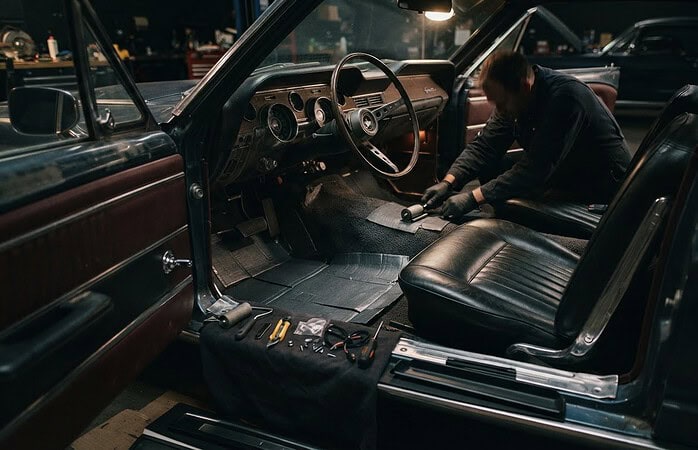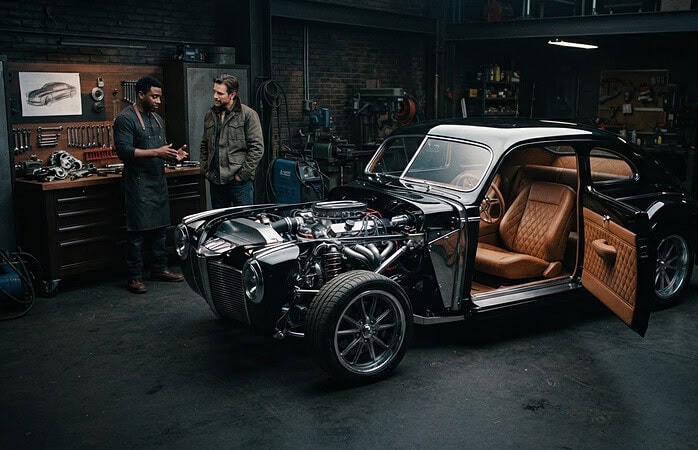

What if a beautiful progress photo still doesn’t prove the work is moving forward? A freshly painted panel can look impressive, yet leave unanswered questions about what’s complete, what remains, and whether a change has been approved. That uncertainty is familiar when you’re overseeing a custom restomod from a distance. Effective restomod build progress tracking turns updates into useful evidence, clear decisions, and agreed next steps, rather than just snapshots of a classic taking shape.
You’re right to expect more than occasional images. Photos can show visible work, but context matters: which part of the scope they represent, what has changed, and what decision is needed from you. Clear records help keep expectations aligned as vintage character meets modern performance and comfort.
This guide explains what evidence to request as a build advances, how to document milestones, approvals, and scope changes, and what to ask a builder about communication. Elite Restomods offers custom build services. Ask the team directly about its current update practices so you can assess how well they fit your needs, even when you can’t be there in person.
Key Takeaways
- Set update expectations before work begins so you know how completed work, current status, and pending decisions will be communicated.
- Use project phases as a flexible guide, and match the evidence you request to the work underway.
- Combine photos with written context where useful. No single update can confirm every aspect of workmanship.
- Make milestones reviewable outcomes, and keep approvals and scope changes clear in the project record.
- Ask prospective builders how they communicate and document decisions, then confirm their current practices directly.
Why restomod build progress tracking matters before work begins
A cherished classic can be transformed with modern performance and comfort, but a custom build also involves work you may not be able to see firsthand. Without shared expectations, a polished photo or brief message can leave basic questions unanswered: What has been completed? What’s underway? Is a decision needed from you?
Restomod build progress tracking means agreeing on updates that explain completed work, current status, and pending decisions. It creates a shared reference point, not a promise that work will follow a fixed schedule or that every update can establish workmanship. Project management principles offer a useful way to think about how scope, time, and budget interact, but tracking is not an independent inspection or certification of the vehicle.
For a visual sense of how a restomod build can develop, watch this video:
What should a useful build update tell you?
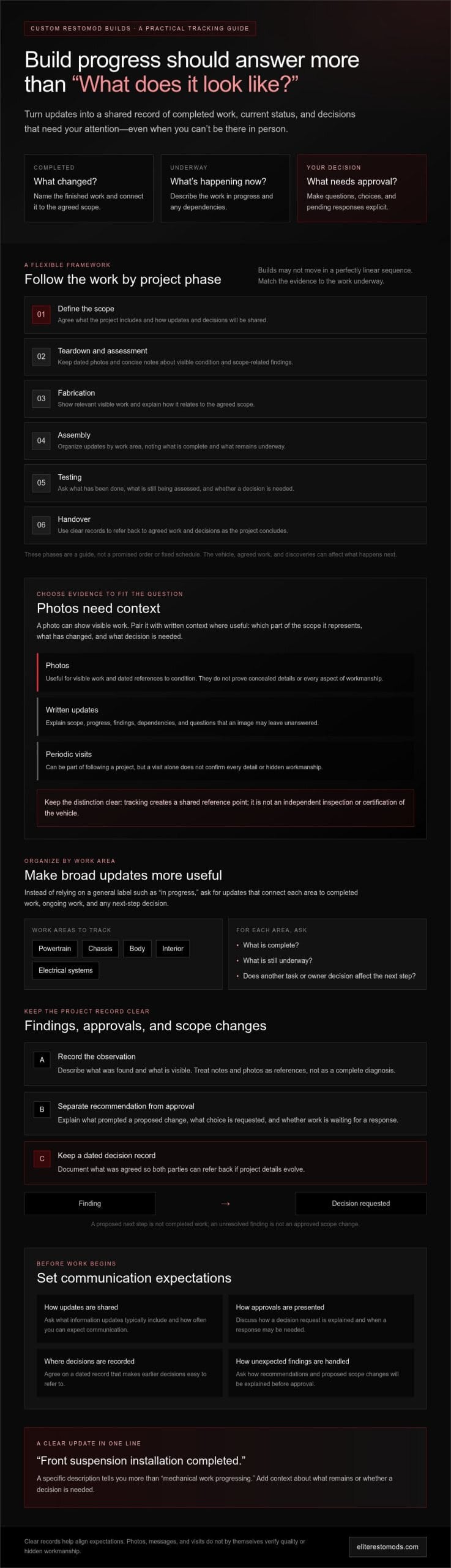
A useful update connects visible work to the agreed scope. It should describe what changed since the previous update, identify the work currently underway, and flag any dependencies, questions, or decisions that need your attention. For example, “front suspension installation completed” is clearer than “mechanical work progressing.”
It also helps to distinguish what’s confirmed from what’s planned or still being assessed. A proposed next step isn’t completed work, and an unresolved finding shouldn’t be presented as an approved scope change. That distinction keeps both parties aligned without implying that a message or photo verifies quality.
Why agree on communication expectations early?
Before work begins, ask how updates are shared and what information they typically include. Discuss how approval requests will be presented, when a response may be needed, and where decisions will be recorded. A dated record makes it easier to refer back to what was agreed if project details evolve.
Also ask how unexpected findings and proposed scope changes will be explained. You should understand what prompted the recommendation, what choice is being requested, and whether work is waiting for your response. These conversations won’t remove uncertainty from a complex build, but they can reduce avoidable confusion. If you’re evaluating custom build services from Elite Restomods, ask the team about its current client update practices.
Restomod build progress tracking by project phase
A restomod rarely moves through a perfectly linear sequence. A project might begin with defining the scope, then move through teardown and assessment, fabrication, assembly, testing, and handover. Treat these as a flexible framework, not a promised order or fixed schedule. The vehicle, agreed work, and discoveries along the way can all affect what happens next.
Useful restomod build progress tracking matches the evidence to the work and the decisions in front of you. A photo may help show visible bodywork, while a written description may better explain a mechanical task or identify a question that needs your approval. Hagerty’s consumer’s guide to vehicle restoration also discusses using photos and periodic visits to follow a project. Neither method alone proves every detail or confirms hidden workmanship.
What to document during teardown and assessment
At the outset, ask how the vehicle’s condition and scope-related findings will be recorded. Dated photos and concise notes can establish what was visible during assessment and provide context as work progresses. They’re a reference, not proof of concealed damage or a complete diagnosis.
If teardown reveals a concern that could affect the agreed work, look for a clear description of the finding and a written question or proposed decision. This helps distinguish an observation from a recommendation, and both from work you’ve approved.
How to follow mechanical, body, and finishing work
As the build develops, organize updates by work area rather than relying on a broad label such as “in progress.” Depending on the scope, updates might cover the powertrain, chassis, body, interior, and electrical systems. For each area, ask what’s complete, what remains underway, and whether another task or owner decision affects the next step.
For example, a body update could identify a completed panel-repair task while separately noting that finishing work remains. An electrical update could describe the circuit or component being addressed and flag any open question. Specific language makes it easier to understand the work without implying that a remote update is an inspection.
If road testing or final checks are part of the agreed project, ask how their status and findings will be recorded. Clarify what has been checked, what remains, and whether any issue needs discussion before handover. To understand Elite Restomods’ custom build services and process, review its custom build process information and confirm current details directly.
Photos, milestone reports, or site visits: compare tracking methods
No single update can tell the whole story of a custom build. Photos make visible changes tangible; written summaries add context; calls allow immediate discussion. A milestone review can bring evidence and decisions together, while an in-person visit offers a closer look. The most useful approach to restomod build progress tracking pairs visual context with written status and a clear record of open questions.
What photos and videos can, and cannot, show
Dated images are easier to interpret when they include context, such as the work area and, where practical, a consistent angle across updates. They can show visible changes to bodywork, the interior, or component installation. But an image may not reveal hidden fit, function, or whether a system has been tested. If completion or condition is unclear, ask what the image shows, what work remains, and whether the relevant check has been performed.
When written reports and direct reviews help most
A concise written summary can capture completed work, current status, blockers, owner decisions, and next steps in one record. Calls are useful for clarifying a question in conversation, but important decisions can be confirmed afterward in writing. Milestone reviews provide natural opportunities to discuss the evidence, scope, and approvals needed. Site visits can add firsthand perspective when practical, but they’re optional and don’t replace agreed professional checks.
| Method | Useful for | Limitation | Follow-up question |
|---|---|---|---|
| Photos or video | Seeing visible work and changes over time | May not show hidden condition, fit, or function | What work does this view document, and what remains? |
| Written summary | Recording status, blockers, decisions, and next steps | May lack visual detail or leave terms unclear | Which items are complete, planned, or unresolved? |
| Milestone review | Discussing evidence, scope, and approvals together | A review alone doesn’t verify every aspect of quality | What outcome is being reviewed, and what decision is needed? |
| Call | Resolving questions through direct conversation | Details may be harder to reference later | Can we record the decision and next step in writing? |
| Site visit | Getting a firsthand view of accessible work | Doesn’t substitute for professional checks | What should I look at, and what can’t be assessed visually? |
Choose a mix that suits the work and your ability to review it. For example, a visual update may help you follow bodywork, while a written note clarifies whether the next step is underway or waiting on a decision. Tie questions to specific evidence, and ask how open items will be followed up. Clear records make updates easier to understand without treating any one format as proof of the entire build’s quality.
How to set clear milestones, approvals, and scope-change records
A milestone is most useful when it names an outcome you can review, not a vague label such as “75% complete.” For example, a milestone might identify a specific agreed work area as complete and ready for review, while noting any remaining tasks or decisions. The right milestones depend on the vehicle and project scope. Treat them as shared reference points for discussion, not a fixed schedule or a guarantee of workmanship.
Questions to agree on before commissioning a build
Use the initial conversation to understand how the builder communicates and records project decisions. Ask which stages they typically discuss, what an update may include, and how they handle unanswered questions or approvals. Also ask how newly discovered work will be explained: what the finding is, why it may affect the agreed scope, and what decision they’re asking you to make.
A proposed change should be clearly distinguished from approved work. Ask how the project record will capture the issue, the proposed adjustment, and your response. This is a practical communication framework, not legal or contract advice. For broader criteria to consider when evaluating a builder, read the custom restomod builder guide.
A practical way to review updates and decisions
As each update arrives, check three things: what’s complete, what is blocked or unresolved, and whether an owner decision is needed. If a proposed scope change appears, make sure the next step is clear before treating it as agreed. Keep a dated record of questions, approvals, and changes, with enough context to connect each decision to the relevant work.
If a written update leaves a technical point unclear, ask for a conversation, then confirm any resulting decision in the project record. This simple habit helps keep expectations aligned as a classic moves toward its modern form.
Elite Restomods offers custom build services. If you’re considering a project, explore its custom build services and discuss how your expectations for updates, approvals, and change records could be addressed.
How to discuss build tracking with Elite Restomods
A clear tracking framework gives you a practical starting point for a conversation with a prospective builder. Ask the team how it communicates project status and records decisions before moving forward. The goal is to understand whether its current approach to restomod build progress tracking fits the level of involvement you want.
What to ask before moving forward
Begin with open, specific questions. Ask which project stages the team typically discusses, what a client update may cover, and how information is shared. Then explain what helps you stay informed. You might prefer photos paired with written context, or a conversation when a technical decision needs discussion. Treat these as preferences to discuss, not features to assume are available.
Clarify how the team records approvals, unanswered questions, and decisions. If new findings emerge, ask how they’ll be described and how a proposed scope change will be presented for your review. You can also ask how you’ll know whether an item is confirmed, still being assessed, or awaiting your input. These questions help you understand how expectations can be shared as the build develops.
Make the next step clear and low-pressure
Before reaching out, prepare a short summary of the vehicle, your goals for its transformation, and how involved you’d like to be as work progresses. Include the questions that matter most, such as what evidence will help you understand completed work or how proposed changes will be documented. You don’t need to have every technical detail settled to start a useful conversation.
Review the answers against the framework in this guide: Can you understand what’s complete, what remains unresolved, and whether you need to make a decision? Do the communication practices suit your preferences? For more information, explore Elite Restomods’ custom build services and build process overview, then confirm current details directly with the team.
If the approach feels aligned with your expectations, discuss your custom restomod build with Elite Restomods.
Move forward with clarity and confidence
A custom restomod brings a cherished classic into a new era, and understanding the process can make each decision easier. Agree on what updates should communicate, match evidence to the work underway, and use reviewable milestones rather than vague progress labels. Photos offer visual context, while written summaries help capture status, questions, and decisions. Neither alone verifies every aspect of workmanship.
Strong restomod build progress tracking is ultimately about shared understanding. Before choosing a builder, ask how they communicate, document approvals, and explain unexpected findings or proposed changes. Confirm the details directly so your expectations and the builder’s approach are clear before the project moves forward.
Elite Restomods specializes in high-quality classic car restomods and offers custom build services. If you’re ready to explore a build and discuss the communication approach you’re looking for, discuss your custom restomod build. Your vision deserves a thoughtful path from the first conversation to the first drive.
Frequently Asked Questions
What does restomod build progress tracking include?
Restomod build progress tracking includes agreed updates on project stages, completed work, current activity, open questions, and decisions you need to make. Updates might use written summaries, dated photos, calls, or milestone reviews. Tracking helps you follow the project, but it isn’t an independent inspection. Before work begins, ask the builder what information and evidence they can provide and how they’ll record approvals or unresolved questions.
How often should a restomod builder provide progress updates?
There’s no universal update schedule that fits every custom build. The useful rhythm depends on the scope, work underway, and how often your decisions are needed. Ask the builder what communication cadence is practical, how they’ll handle time-sensitive questions, and whether updates can be tied to meaningful stages or decisions. That gives you a clearer expectation without relying on an unsupported promise of frequent activity.
What should I look for in restomod build photos?
Look for dated images with enough context to identify the vehicle area or work stage shown. Where practical, consistent angles can help you compare visible changes over time. Photos can document what’s visible, but may not prove hidden workmanship, mechanical function, or whether a system has been tested. Pair an unclear image with a direct question and a written explanation of what’s complete, what remains, and whether your input is needed.
Can I visit the shop while my restomod is being built?
Ask the builder whether a visit can be arranged and what access is appropriate for the facility and work in progress. A visit may let you discuss visible details directly, but it isn’t a substitute for agreed updates or qualified technical checks. Confirm arrangements in advance, including timing, any applicable safety requirements, and the specific questions you hope to review. If a visit isn’t practical, ask how the team can explain those details remotely.
What happens if the builder discovers additional work during a restomod build?
Ask the builder to explain what was found, why it matters to the agreed scope, and what decision or options need your attention. A clear written record can distinguish the original work from a proposed change and capture your response. Don’t assume every discovery has the same effect on the project. Request enough context to understand the recommendation, raise questions, and make an informed decision with the project team.
Are progress photos enough to verify restomod build quality?
No. Progress photos are useful for recording visible work, but they can’t provide a complete quality assessment. An image may not show hidden components, workmanship from every angle, or whether a system has been tested. For a fuller understanding, combine relevant photos with specific written descriptions and questions about checks related to the work. Consider an appropriate professional inspection when needed, since project updates aren’t certification.
What should I ask a custom restomod builder about project tracking?
Ask what updates typically include, how project stages are reviewed, and how approvals, questions, and proposed scope changes are documented. You can also ask what information is available when work can’t be clearly shown in photos. Share the update format and level of involvement you prefer, then compare the builder’s answers with your expectations. The goal is to understand the actual communication process, not assume a particular tool or reporting policy.