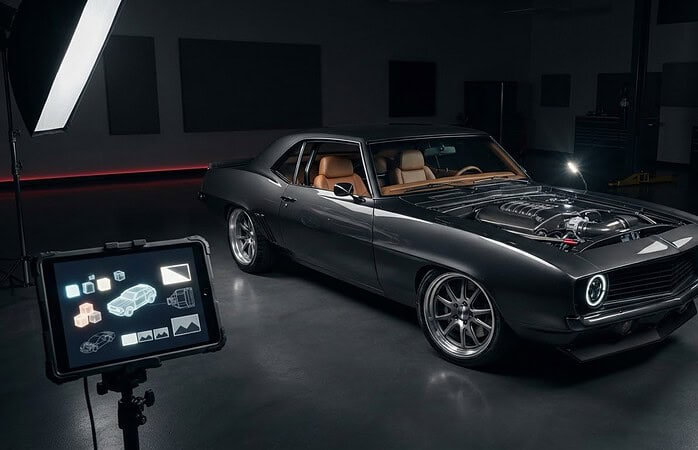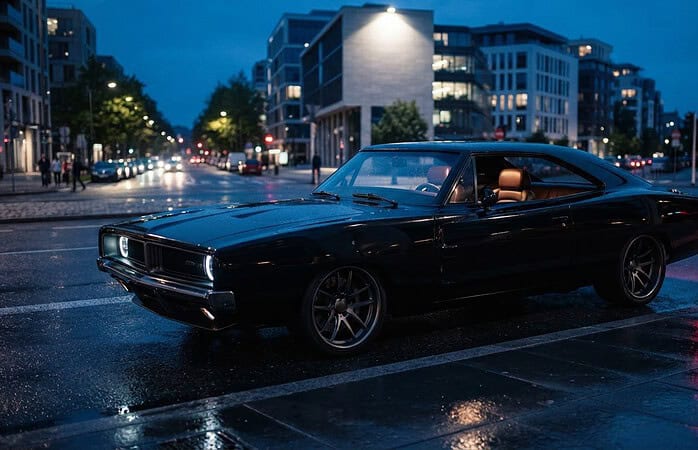

The finished car may turn heads, but the build book shows what went into it. Creating a build book for a custom car means documenting its starting condition, design decisions, parts and specifications, completed work, and the photos and documents that support each stage. Organize it by project phase, using dated entries and clear labels, so the record remains useful long after the first drive.
A custom build is more than a collection of components. It brings together the character of the original car and the choices that make it personal. Those details are easy to lose when scattered across notes, emails, and camera rolls. A well-kept book preserves the reasoning and craftsmanship behind the finished car.
Learn what to include, how to organize the information, and how to keep the record clear as the project evolves. From the initial vehicle assessment to final photographs and supporting paperwork, each section helps tell the build’s story accurately.
Key Takeaways
- Capture the car’s starting condition, goals, and design decisions so the finished result has a clear point of reference.
- Arrange specifications, parts, work records, and supporting documents by build phase for an easy-to-follow project history.
- Pair dated notes with photographs and keep the record current as the work progresses.
- When you want expert support to shape and execute a custom project, Elite Restomods’ Custom Build Services provide a natural next step.
Creating a build book for a custom car
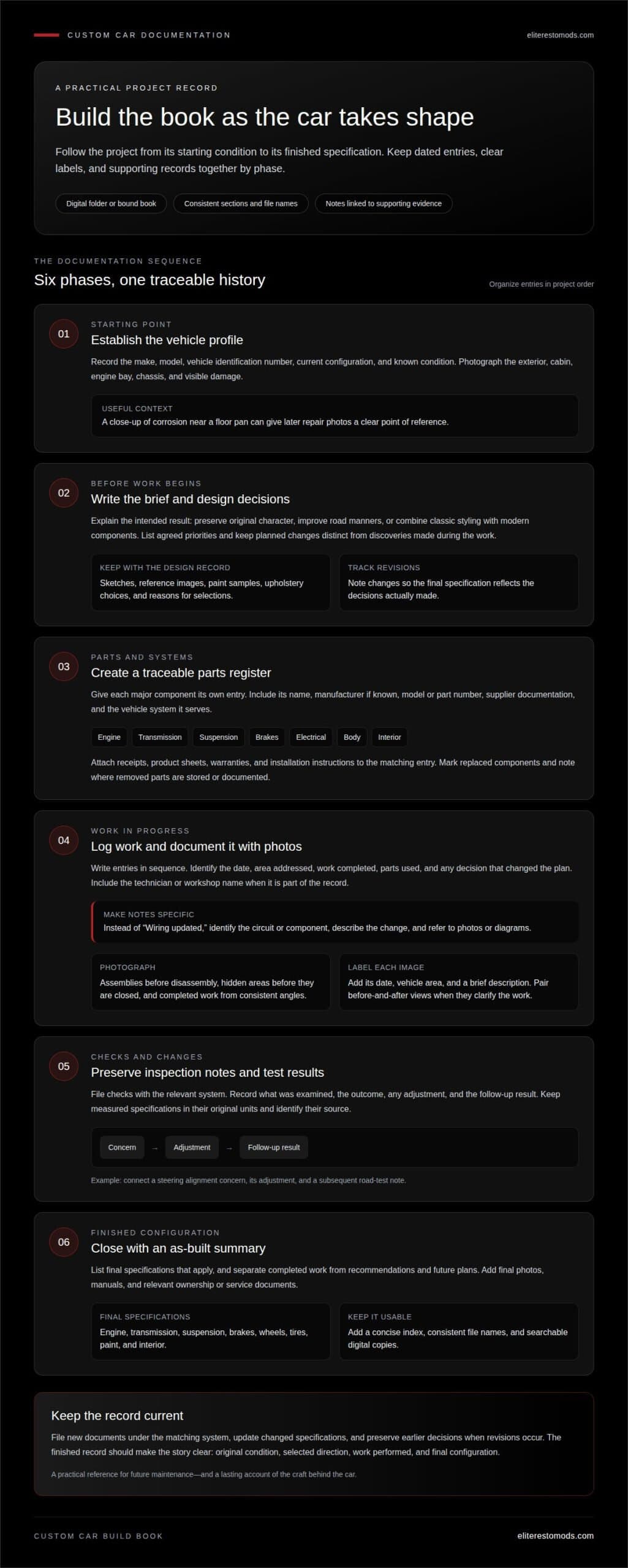
A disciplined approach to creating a build book for a custom car turns scattered project records into a coherent technical history. Start with a digital folder or a bound book, then use consistent sections and file names throughout. Each entry should identify the vehicle, describe the work or decision, and refer to supporting photos, invoices, drawings, or specifications.
Open with a vehicle profile that establishes the project’s starting point. Record the make, model, vehicle identification number, current configuration, and known condition. Add clear photos of the exterior, cabin, engine bay, chassis, and visible damage. For example, a close-up of corrosion near a floor pan gives later repair photos useful context.
Record the plan before work begins
Write a short project brief that explains the intended result. Note whether the goal is to retain the car’s original character, improve road manners, or combine classic styling with modern components. List agreed priorities, such as a particular engine layout, a restrained cabin finish, or an updated braking system. A written brief helps distinguish planned changes from discoveries made during the work.
Keep design decisions in their own section. Add sketches, reference images, paint samples, upholstery choices, and notes explaining why each option was selected. A swatch of deep blue paint, for instance, is more useful when paired with its finish and intended placement, such as on body panels or trim. Record revisions too, so the final specification reflects the decisions actually made.
Build a traceable parts and work record
Create a parts register with a separate entry for each major component. Include the part name, manufacturer if known, model or part number, supplier documentation, and the vehicle system it serves. For a suspension assembly, keep component specifications alongside installation notes. This makes it easier to see how the selected hardware fits the overall build.
- Group entries by system, such as engine, transmission, suspension, brakes, electrical, body, and interior.
- Attach receipts, product sheets, warranties, and installation instructions to the matching entry.
- Mark replaced components and note where removed parts are stored or documented.
Use a work log to record progress in sequence. Each entry should include a date, the area addressed, work completed, parts used, and any decision that changed the plan. “Wiring updated” is too vague. A useful note identifies the circuit or component, describes the change, and refers to photos or diagrams. Include the technician’s or workshop’s name when it is part of the project record.
Photographs should document the work, not merely decorate the book. Capture assemblies before disassembly, hidden areas before they’re closed, and completed work from consistent angles. Label each image with its date, vehicle area, and a brief description. A photo of brake lines before installation, paired with one showing their finished routing, creates a clearer record than either image alone.
Preserve checks, changes, and final specifications
Keep inspection notes and test results with the relevant system. Record what was examined, the outcome, any adjustment made, and the follow-up result. For example, a steering alignment entry can identify the concern, document the adjustment, and refer to a subsequent road-test note. Keep measured specifications in their original units and identify their source.
Close the book with an as-built summary. List the final engine, transmission, suspension, brake, wheel, tire, paint, and interior specifications that apply. Separate completed work from recommendations and future plans. Add final photos, manuals, and relevant ownership or service documents. A concise index, consistent file names, and searchable digital copies make the record practical to use after the build is complete.
Review the book as the project progresses, rather than waiting until handoff. File each new document under the matching system, update changed specifications, and preserve earlier decisions when revisions occur. This keeps the story clear: original condition, selected direction, work performed, and finished configuration. The result is both a reference for future maintenance and a lasting account of the craft behind the car.
Elite Restomods: Custom Build Services
Elite Restomods’ Custom Build Services can help turn a well-documented vision into a finished car. A build book clarifies the choices that matter most, from the character you want to preserve to the modern capabilities you hope to add. These priorities give a custom project a thoughtful starting point.
Bring your vision, references, and preferred specifications to the conversation with Elite Restomods. Whether you’re refining a classic design or shaping a more contemporary driving experience, the goal is a considered balance of heritage and function. The build book remains a useful companion as decisions take shape and the car evolves from concept into a machine made to be driven.
Contact Elite Restomods to discuss your custom build.
Let the Build Book Shape What Comes Next
Creating a build book for a custom car does more than preserve the story of the work. It can help you make deliberate choices about what the car should become and give each decision a place within a larger vision. As that vision takes shape, consider how you want the finished car to feel on the road, as well as how you want it to look in a photograph.
A carefully considered custom build brings those priorities together, balancing the character that drew you to the car with the refinements that make it your own. Start with a conversation with Elite Restomods about the project you have in mind and the direction you want it to take.
Contact Elite Restomods about your build and take the first step toward a classic car shaped around your vision.