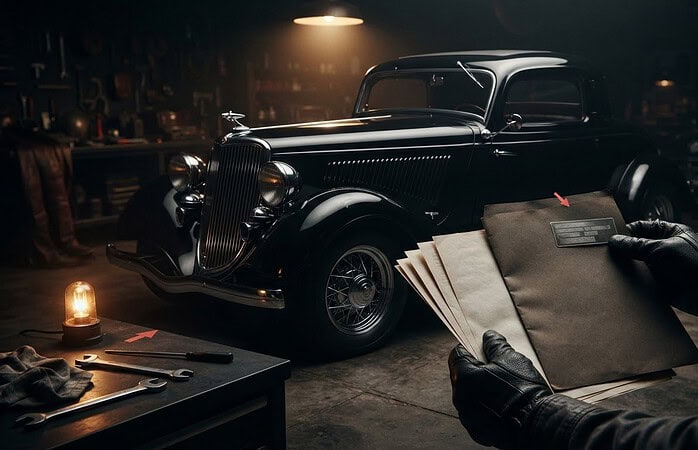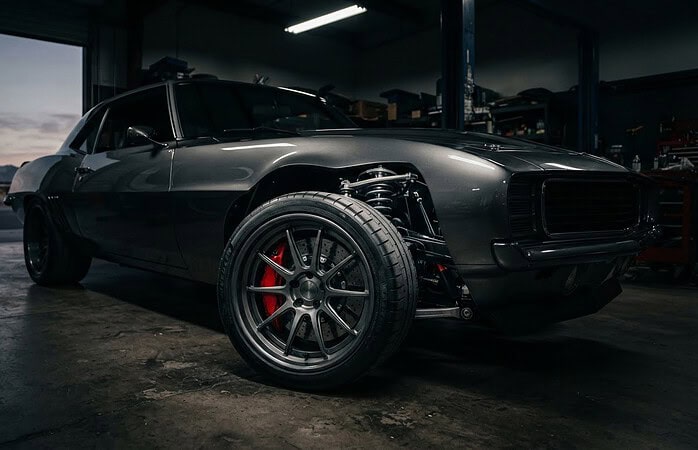

What if the vintage muscle car that looks like a masterpiece on the auction block is actually a mechanical nightmare hiding beneath artisanal paint? It’s a scenario that haunts even seasoned collectors. You recognize the timeless allure of a 1960s fastback, but you also understand that the true value lies in the invisible details. Whether you’re eyeing a six-figure build or a weekend cruiser, understanding a rigorous certified restomod inspection process is the only way to protect your capital. It’s about more than just checking oil levels; it’s a forensic audit of how modern performance has been married to vintage heritage.
We agree that the anxiety of overpaying for an unsorted vehicle or a car with hidden structural repairs can take the joy out of the hunt. This 2026 investor guide promises to help you master the art of the pre-purchase inspection with a professional-grade checklist tailored for high-performance restomods. We’ll preview the critical evaluation of structural integrity, modern electrical integration, and drivetrain synchronization to give you the confidence to negotiate based on facts or walk away from a bad deal. Your journey toward a reliable, investment-grade classic starts with knowing exactly where the skeletons are hidden.
Key Takeaways
- Audit the vehicle’s provenance by verifying pre-1981 identification numbers and analyzing the comprehensive build book for every modern component. This ensures your capital is protected by a transparent, documented history.
- Conduct a forensic search for rust and structural anomalies in critical failure points like cowl vents and floor pans. A straight frame and consistent panel gaps are non-negotiable for investment-grade assets.
- Master the certified restomod inspection process to evaluate the engineering harmony between high-performance crate engines and modern cooling systems. You’ll learn to spot the clean plumbing and organized wiring that signifies a master build.
- Evaluate the cockpit’s electrical reliability by testing modern wiring harnesses and integrated digital systems. This ensures your driving experience is defined by refined comfort rather than technical failures.
- Execute a professional-grade test drive to identify mechanical red flags through cold starts and high-speed tracking. You’ll gain the confidence to negotiate based on objective facts or walk away from an unsorted deal.
The Foundation of Provenance and Documentation
History isn’t just a story; it’s a ledger. For the discerning investor, a high-performance classic is more than a machine. It’s a bespoke piece of functional art with a lineage that must be verified. The conservation and restoration of road vehicles has evolved from simple preservation to the sophisticated integration of modern performance. This evolution requires a new standard of record-keeping. A professional certified restomod inspection process begins long before the hood is lifted. It starts with a forensic audit of the paper trail to ensure the vehicle’s identity and its transformative journey are beyond reproach.
Decoding the VIN and Title
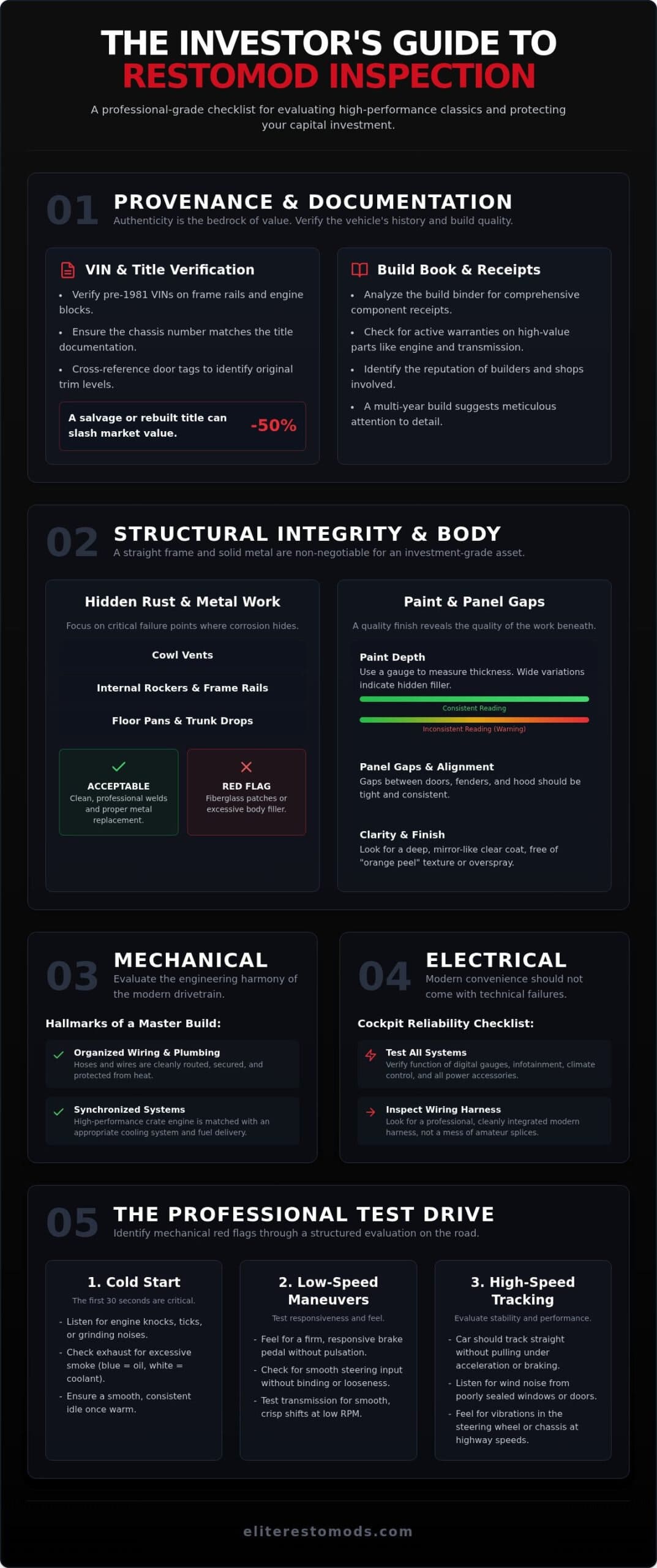
Authenticity is the bedrock of value. For pre-1981 models, the vehicle identification number (VIN) is often found in multiple locations beyond the visible dashboard tag. We look for hidden stamps on the frame rails or the engine block to ensure the chassis matches the title. A salvage or rebuilt title can slash the market value of a collector car by fifty percent, regardless of the build quality. We cross-reference door tag codes with the current configuration to see if a car started life as a base model or a rare, high-trim variant. This level of scrutiny distinguishes a true investment from a clever imitation.
Evaluating the Build Sheet and Receipts
A thick binder of receipts is the best indicator of a meticulous owner. It serves as the biography of the build. We analyze the build book to verify that every modern component, from the carbon-fiber driveshaft to the custom-valved dampers, is documented. This transparency is a core pillar of a reliable certified restomod inspection process. We check for active warranties on high-value items like crate engines and six-speed transmissions. Identifying the specific shops involved allows us to gauge the professional reputation behind the craftsmanship. If the names in the binder are world-class builders, the asset’s credibility rises instantly.
Historical ownership and original factory documentation, such as protect-o-plates or original window stickers, add layers of exclusivity. They connect the modern machine to its visceral heritage. We also assess the restoration timeline. A build completed in six months often reveals rushed shortcuts; a multi-year project suggests the meticulous attention to detail required for excellence. We look for a steady, purposeful flow of work that culminates in a fully sorted vehicle ready for the open road.
Structural Integrity and the Art of the Body
The silhouette of a classic muscle car is an emotional trigger. It’s the first thing you see across a crowded showroom. But for an investor, beauty must be more than skin deep. A straight body and a rigid frame are the foundations of any high-performance build. If the skeleton is compromised, the modern suspension and high-output engine will never perform as intended. A truly comprehensive certified restomod inspection process treats the body as a forensic site, looking past the gleaming clear coat to find the truth of the metal beneath.
Detecting Hidden Rust and Metal Work
Rust is a patient enemy. It hides in the shadows of cowl vents, internal rockers, and trunk drops. We use high-intensity flashlights to peer into these cavities, searching for the telltale signs of structural rot. It’s vital to distinguish between harmless surface oxidation and the deep, flaky corrosion that compromises safety. We look for evidence of proper metal replacement. If we find fiberglass patches or excessive body filler instead of clean welds, the vehicle’s integrity is in question. A high-horsepower build puts immense stress on the chassis; it needs solid steel to handle the torque. You can see the standard for yourself by browsing our current inventory of fully sorted machines.
Assessing Paint and Exterior Trim
Paint depth tells a story of its own. We employ electronic or magnetic gauges to measure the thickness of the finish across every panel. Wide variations often indicate heavy filler used to mask poor metal work or previous accidents. We look for a deep, mirror-like clarity in the clear coat, free from the “orange peel” texture found in lower-quality resprays. Overspray in the door jambs or engine bay is a red flag, often signaling a “quick flip” rather than a meticulous restoration. The trim must also meet modern expectations. We inspect the quality of chrome replating and ensure that modern LED lighting is integrated with factory-level fitment.
Weatherstripping and glass are the final touchpoints of a world-class build. Crisp, supple seals and crystal-clear glass are signs of a builder who didn’t cut corners. Panel gaps should be tight and uniform, proving the frame is straight and true. This level of detail ensures the car doesn’t just look like a piece of art but functions like a modern performance vehicle. A rigorous certified restomod inspection process confirms that the aesthetic finish is backed by structural perfection, giving you the peace of mind to drive the car as it was intended.
Mechanical Integration and Engineering Harmony
The marriage of brute force and refined comfort is best witnessed under the hood. A restomod isn’t just a classic car with a modern engine; it’s a complex system where every component must work in concert. While the aesthetic finish tells you about the builder’s patience, the mechanical integration reveals their engineering prowess. A professional certified restomod inspection process must go beyond checking fluid levels. It requires a deep dive into the technical execution of modern upgrades to ensure they don’t just fit, but function with modern reliability.
The Modern Heart in a Vintage Body
Dropping a modern crate engine into a fifty-year-old engine bay creates unique clearance challenges. We begin by inspecting the gap between the engine oil pan and the steering crossmember. If the clearance is too tight, engine torque can cause destructive contact during spirited driving. We also scrutinize the exhaust welds and the routing of high-pressure fuel lines. Heat management is critical; fuel lines shouldn’t be routed near headers without proper shielding. A master build utilizes a clean serpentine belt drive system and a high-output alternator to support modern electronics. This ensures the car delivers consistent power without the charging failures common in lesser builds.
Drivetrain and Suspension Upgrades
Power is useless if the chassis can’t harness it. We evaluate the suspension geometry to ensure the car handles with precision rather than vintage vagueness. This includes checking for the use of polyurethane or heim-joint bushings, which offer superior feedback compared to original rubber components. The braking system must be equally robust. We verify the integration of modern power boosters and four-wheel disc conversions, ensuring the pedal feel is firm and progressive. A key part of our certified restomod inspection process involves checking the driveshaft alignment and the condition of the universal joints. High-torque engines put immense strain on the rear axle housing; we look for stress cracks or differential leaks that suggest the drivetrain hasn’t been properly reinforced. This level of technical scrutiny ensures the vehicle is fully sorted and ready for the demands of the open road.
The Cockpit Experience and Electrical Reliability
Stepping into the cabin of an investment-grade classic should feel like a bridge between eras. It’s the intimate space where vintage design meets modern ergonomics. While the exterior commands attention, the cockpit determines the quality of every mile driven. A truly professional certified restomod inspection process prioritizes the electrical architecture and artisanal finishes that define a bespoke build. This isn’t merely about checking if the lights turn on; it’s a systematic verification that the vehicle’s nervous system is robust enough for modern life.
Electrical Systems and Modern Tech
A modern wiring harness is the single most important factor for daily reliability. Vintage wires are often brittle and prone to failure, but a master builder replaces them with a clean, color-coded harness and a modern fuse block. We inspect the routing of these wires to ensure they aren’t rubbing against sharp metal or heat sources. Every digital gauge must be tested for sensor accuracy, as a beautiful dash is useless if the oil pressure or coolant temperature readings are imprecise. We also evaluate the integration of Bluetooth audio and modern climate control modules. These systems must operate seamlessly without draining the battery or creating electrical interference. If you’re looking for a vehicle where this integration is already perfected, you can explore our inventory of fully sorted restomods today.
Interior Craftsmanship and Ergonomics
The interior should be a sanctuary of luxury craftsmanship. We evaluate the fit and finish of custom center consoles and door panels to ensure they’re free from rattles or unsightly gaps. High-end upholstery isn’t just about the leather; it’s about the precision of the stitching and the support of the seat frames. We also look for the invisible upgrades. The presence of premium sound-deadening materials under the carpet is a hallmark of a professional build. This material transforms the driving experience by isolating road noise and managing cabin temperatures. Finally, we perform a sensory check. Cabin odors can reveal hidden water leaks or mold that might be trapped behind the artisanal finishes. We verify the steering column integrity and the fluid feel of the modern power steering rack to ensure the car responds to your touch with contemporary precision. This thorough certified restomod inspection process ensures that the cockpit experience is as refined as the mechanical performance.
The Professional Pre Purchase Inspection and Test Drive
The moment of truth arrives when the key turns. It’s the culmination of every document verified and every weld scrutinized. For an investor, the test drive is more than a thrill ride; it’s the final stage of a forensic audit. A vehicle might look like a masterpiece under showroom lights, but the road reveals the reality of its engineering. A professional certified restomod inspection process demands a cold start. We listen for the immediate mechanical symphony of the valvetrain and watch for any telltale smoke from the exhaust. Initial oil pressure must stabilize instantly, proving the modern heart is healthy and ready for the demands of high-performance driving.
Critical Test Drive Performance Markers
A restomod should handle with the poise of a contemporary sports car. We push the vehicle across various speeds to identify vibrations that might signal a poorly balanced driveshaft or improper wheel alignment. Under heavy deceleration, the modern braking system must remain composed. We feel for any pulling or brake fade that suggests the integration of power boosters hasn’t been perfected. The shift quality of modern transmissions, whether a crisp manual or a lightning-fast automatic, should be authoritative and smooth. We also listen for the subtle intruders. Wind noise or persistent rattles often indicate poor assembly quality or neglected weatherstripping. These sensory details are the difference between a car that is merely finished and one that is truly sorted.
Why the Elite Certified Standard Matters
A DIY inspection is often insufficient for investment-grade assets. While a hobbyist might check the oil, a specialist understands the complex marriage of vintage steel and modern power. The Elite Certified standard represents a level of technical depth that general mechanics simply cannot match. This restomod-specific forensic audit ensures that every modification is safe, reliable, and professionally executed. Choosing a vehicle through a professional consignment program provides an essential layer of protection, as these cars have already been vetted by experts who prioritize excellence over a quick sale.
A professional pre-purchase inspection serves as your final leverage point. It provides a factual basis for price negotiation or the confidence to walk away from an unsorted deal. You can learn more about our meticulous certified restomod inspection process to see how we verify every mechanical and aesthetic detail. We treat every project as a transformative journey, ensuring the final product is a tangible, high-performance reality that honors its heritage while embracing the future of automotive engineering. Trust the experts who understand the soul of the machine.
Securing Your Automotive Legacy
The journey from admiring a vintage silhouette to commanding a high-performance machine requires a disciplined approach. You’ve learned that documentation is the bedrock of value and that mechanical harmony is the key to daily reliability. A forensic audit of the chassis and electrical systems ensures your investment is protected from hidden rot and technical failures. By mastering the certified restomod inspection process, you transition from a hopeful buyer to a confident curator of functional art. Every Elite Certified Restomod undergoes a rigorous multi-point quality assurance process to meet these exacting standards. We specialize in vehicles designed for modern reliability and daily driving, bridging the gap between nostalgic design and contemporary performance. It’s time to stop worrying about what’s under the paint and start enjoying the open road. Browse our curated inventory of fully sorted, investment-grade restomods and find the machine that speaks to your soul. Your dream of a fully sorted classic is closer than you think.
Frequently Asked Questions
What is the most important thing to look for when inspecting a classic car?
The bedrock of any investment-grade classic is its structural integrity and provenance. While a modern drivetrain can be replaced, a compromised frame or a questionable identity can permanently devalue the asset. You must prioritize a forensic audit of the chassis and body before falling in love with the aesthetic finish. A straight, rust-free skeleton is the only foundation capable of supporting high-performance modern engineering and ensuring long-term appreciation.
Should I buy a classic car that has some rust if the price is right?
Purchasing a vehicle with oxidation is a calculated risk that depends on the location of the corrosion. Surface rust on removable panels like doors or fenders is manageable, but structural rot in the cowl, floor pans, or frame rails is a major red flag. In the current flight to quality, investors prefer spending more for a clean body rather than attempting expensive, invasive metal work that often hides deeper issues.
How do I verify if a restomod engine swap was done professionally?
You can identify a professional engine swap by examining the technical execution of the plumbing and wiring. Look for clean routing, high-quality heat shielding near exhaust headers, and the use of modern serpentine belt systems. A master builder ensures there is adequate clearance between the oil pan and the crossmember. Professional builds also utilize high-output alternators and modern cooling systems designed to handle the increased thermal loads of high-performance crate engines.
Why do I need a specialized inspector for a restomod instead of a regular mechanic?
Standard mechanics are trained for modern maintenance, but they often lack the specialized lexicon to evaluate custom engineering. A certified restomod inspection process requires an expert who understands the delicate balance between brute force and refined comfort. They possess the forensic vision to spot engineering shortcuts in a modern drivetrain swap that a generalist might overlook. This specialized knowledge is the bridge between your dream and a tangible, high-performance reality.
What are the red flags to watch for during a classic car test drive?
Listen for immediate mechanical issues during a cold start, such as valvetrain ticking or inconsistent oil pressure. On the road, any brake fade or pulling under heavy deceleration suggests that the modern power booster integration hasn’t been perfected. Excessive wind noise or persistent cabin rattles often indicate poor assembly quality or neglected weatherstripping. A truly sorted build should handle with contemporary precision, free from the vagueness typically associated with vintage steering systems.
Is it possible to check a classic car history without a modern 17-digit VIN?
It’s entirely possible to verify a vehicle’s history using hidden frame stamps, door tag codes, and original factory documentation. For pre-1981 models, these historical markers are the primary way to cross-reference the vehicle’s original configuration with its current state. You should also analyze the build book and ownership records to create a transparent timeline. These details are vital for confirming the asset’s authenticity and protecting your capital investment.
How much should a professional pre purchase inspection for a classic car cost?
The cost of a forensic audit varies based on the professional reputation of the inspector and the complexity of the build. Market rates for basic retail evaluations typically start at several hundred dollars, while specialized inspections in high-demand regions can require a more significant investment. These fees generally cover a detailed written report and high-resolution imagery. You should view this expense as a small premium to protect your much larger capital investment in a vintage asset.
What documents should I expect to receive when buying an investment-grade vehicle?
You should expect a comprehensive build book that documents every modern component used in the restoration. This ledger should include receipts, component warranties, and historical ownership records. A transparent history is a non-negotiable part of a certified restomod inspection process. These documents prove that the vehicle is a fully sorted asset rather than a collection of parts. Professional consignment programs often facilitate the transfer of this vital documentation to ensure a seamless transition.