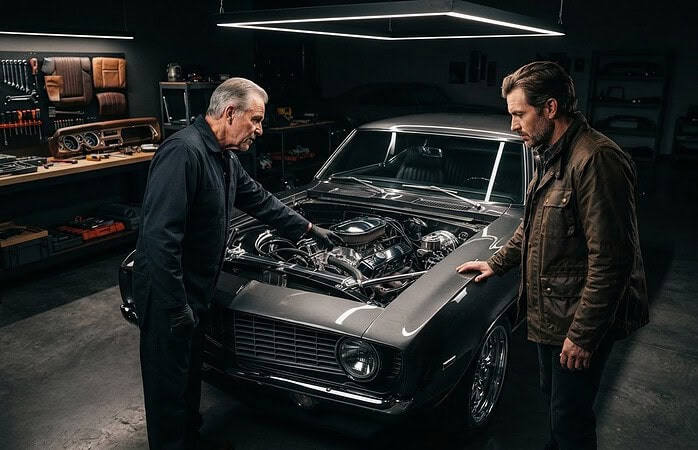

In a market where only 35% of collector cars are currently selling for more than their insured value, your vehicle’s worth is no longer defined by its nameplate; it’s defined by its mechanical transparency. You’ve likely noticed the shifting environment. Understanding how to prepare a classic car for sale is now the difference between a stagnant listing and a record-breaking auction result. It’s natural to feel a sense of anxiety over potential low-ball offers or the technical “sorting” required to justify a premium price point while the Hagerty Market Rating remains flat.
This professional guide reveals the meticulous process of transforming your vintage machine into a fully sorted, investment-grade asset that commands respect on the national stage. You’ll discover how to leverage documented provenance and modern engineering standards to ensure a seamless, professional transaction. We’ll walk through the essential steps to elevate your vehicle from a mere machine to a bespoke piece of functional art ready to pass any inspection. From mechanical refinement to professional presentation, we’ll provide the roadmap for a successful sale.
Key Takeaways
- Define the new fully sorted standard where modern reliability and visceral performance intersect to meet the expectations of today’s elite collectors.
- Learn to identify and resolve hidden mechanical liabilities through a systematic vetting process that ensures your drivetrain operates with modern efficiency.
- Discover how multi-stage paint correction and interior revitalization transform a vintage machine into a high-value asset ready for the national market.
- Master how to prepare a classic car for sale by organizing a meticulous documentation trail that justifies a premium asking price through proven provenance.
- Navigate the complexities of the 2026 transaction landscape by comparing the security of professional consignment against the risks of private sales.
Defining the Investment-Grade Standard for Classic Car Sales
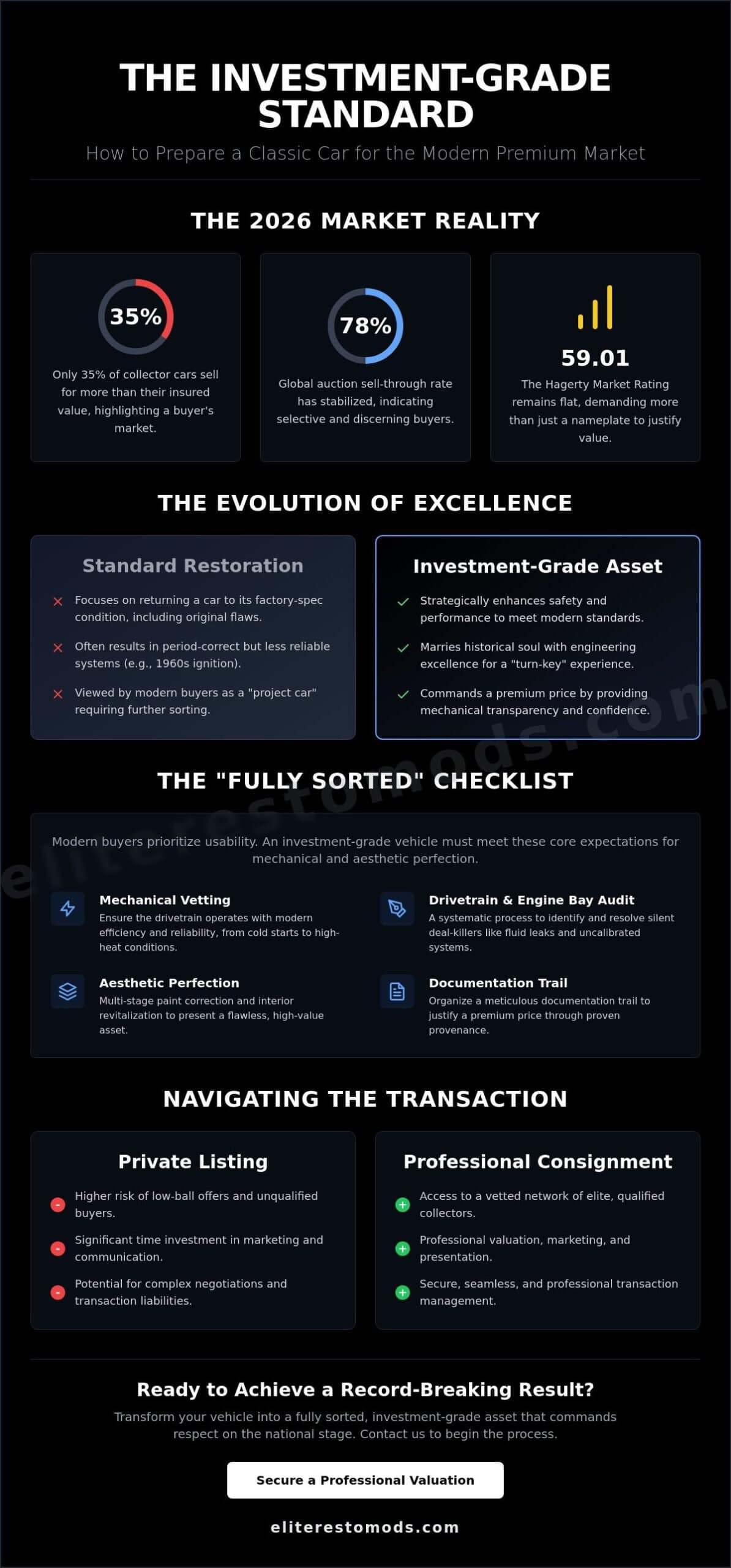
The 2026 collector car market has reached a critical inflection point. With the global auction sell-through rate stabilizing at 78%, the era of selling project cars for premium prices has passed. Today’s buyers are moving away from static museum pieces and toward vehicles that can be enjoyed on the open road. Knowing how to prepare a classic car for sale now involves a deep dive into mechanical integrity. It’s about providing a turn-key asset that handles the heat of a summer commute as easily as it commands attention at a concours event.
Modern enthusiasts are increasingly performance-driven. They expect a marriage of heritage and reliability. When we look at Defining a Classic Car, we see that historical significance remains vital, but it must be paired with modern operational reliability. A fully sorted vehicle is the new baseline for high-value transactions. This term describes a car where every potential liability has been addressed, from leak-free gaskets to optimized cooling systems. It removes the fear of the unknown, creating the psychological transparency required for a confident purchase.
To better understand how market expectations are shifting, watch this helpful video:
Understanding the Modern Classic Car Buyer
The demographic shift in 2026 is undeniable. Gen X and Millennial collectors are prioritizing usability over pure originality. These enthusiasts want the visceral roar of a vintage V8 but don’t want the unpredictability of 1960s ignition systems. They seek exclusivity and bespoke craftsmanship. Every stitch in the leather and every weld on the chassis must reflect a commitment to excellence. This performance-driven mindset means that modern drivetrain expectations directly dictate resale liquidity. Exclusivity is no longer just about production numbers; it’s about the quality of the build and the vision of the curator.
The Difference Between a Restoration and a Market-Ready Asset
A standard restoration often focuses on returning a car to its factory-spec flaws. In the current restomod market, this can actually be a liability. A market-ready asset is one that has been strategically enhanced to meet modern safety and performance standards without sacrificing its aesthetic soul. Identifying the right upgrades is essential for attracting qualified buyers. Disc brake conversions, modern suspension geometry, and electronic fuel injection are no longer luxuries; they are expectations. An investment-grade restomod is a vehicle that marries historical soul with modern engineering excellence. By focusing on these technical intricacies, you provide the assurance needed to secure a high-value offer in a flat market where the Hagerty Market Rating sits at 59.01.
Mechanical Vetting and Performance Optimization
Performance is the ultimate currency. In a market where the global auction sell-through rate stabilized at 78% in early 2026, buyers are more selective than ever. A vintage asset that looks the part but falters on the asphalt is a liability, not an investment. When determining how to prepare a classic car for sale, the mechanical vetting process must be exhaustive. It’s the bridge between a machine that simply runs and one that performs with modern precision. We move beyond the superficial wash. We seek the visceral reliability that today’s performance-driven enthusiasts demand.
Modern engine swaps and electronic fuel injection systems require more than just a bolt-in installation. They need meticulous calibration. A fuel injection system should provide seamless cold starts and linear power delivery across the entire rev range. Cooling efficiency is equally critical. In the heat of a summer drive, an oversized aluminum radiator paired with high-cfm electric fans ensures the vehicle remains composed. This level of mechanical transparency builds the confidence necessary to justify a premium asking price. It transforms a simple car into a fully sorted, market-ready asset.
The Drivetrain and Engine Bay Audit
Fluid leaks are silent deal-killers. A single drop of oil on a showroom floor suggests neglect to a sophisticated collector. We ensure gaskets are sealed and fittings are torqued to professional specifications. Electrical systems require similar scrutiny. Parasitic draws can drain a battery and erode buyer trust. A clean, detailed engine bay showcases mechanical perfection. It allows the buyer to see the craftsmanship behind the power. Every wire should be neatly routed, and every component should be free of grit or oxidation.
Safety and Chassis Certification
Brute force requires a stable foundation. We inspect frame integrity and modern suspension mounting points to ensure the chassis can handle the increased torque of a modern powerplant. Handling must be predictable and sharp. This involves verifying brake pad life and rotor condition, ensuring the car stops with modern authority. All safety equipment, from lighting to restraints, must meet high-end standards. If you are looking to refine these technical details, our custom build services offer the expertise needed to transform your vehicle into a professional-grade masterpiece.
Aesthetic Perfection: Detailing for High-Value Representation
Aesthetic perfection is the final layer of a world-class presentation. While mechanical vetting ensures the vehicle’s soul is intact, its exterior and interior finishes must reflect a life of meticulous care. When considering how to prepare a classic car for sale, a standard detail is insufficient. High-value buyers in 2026 demand a level of clarity and depth that only professional-grade correction can provide. This is about more than just shine. It’s about restoring the original intent of the designers while protecting it with modern technology. Visual impact is immediate. It serves as the silent ambassador of your vehicle’s history.
Brightwork and trim act as the jewelry of a vintage icon. Polishing chrome to a mirror finish or restoring anodized aluminum requires a delicate touch and specialized compounds. We also look beneath the surface. Undercarriage detailing is essential for investment-grade transparency. A pristine floor pan and suspension assembly prove that the mechanical claims made in earlier stages are backed by visual evidence. This level of cleanliness confirms the leak-free operation established during the drivetrain audit. It signals to a buyer that no detail, however hidden, has been overlooked.
Professional Paint Correction and Protection
Multi-stage paint correction is a foundational requirement for any vehicle entering the national market. This process removes microscopic swirl marks, holograms, and surface defects that dull the finish under professional studio lighting. Once the true depth of the paint is revealed, ceramic coatings offer a durable shield. These modern coatings preserve the vehicle’s luster for the next owner, ensuring the car remains a showroom-quality asset long after the sale. Identifying and correcting minor chips or scratches before listing prevents these small imperfections from becoming leverage for price negotiations. A flawless finish is non-negotiable for an elite asset.
Interior Craftsmanship and Sensory Appeal
The cockpit is where the emotional connection between driver and machine is solidified. Revitalizing artisanal interiors involves deep nourishment of vintage leather and the restoration of wood veneers or carbon fiber accents. We remove age-related odors through deep cleaning of carpets and headliners, ensuring the cabin feels fresh and inviting. Every switch and gauge must function with tactile precision. A loose knob or a flickering bulb can undermine the perception of a fully sorted build. By focusing on these sensory details, you create an environment that justifies a premium asking price and appeals to the most discerning collectors.
The Documentation Trail and Market Valuation Strategy
A master builder knows that the story behind the machine is as vital as the engine within it. While the visceral thrill of a restomod captures the heart, the documentation trail secures the investment. In a market where the Hagerty Market Index sits at 171.04, its lowest point in four years, buyers are scrutinizing every claim. Understanding how to prepare a classic car for sale requires a transition from owner to curator. You must provide the evidence that justifies a premium price in a flat market. This transparency is the final piece of the puzzle.
Professional appraisals play a pivotal role in this process. They don’t just validate your asking price; they enable specialized classic car financing for potential buyers. By providing a certified valuation, you remove the barriers to entry for high-net-worth enthusiasts. This step ensures that your vehicle is viewed not as an expense, but as a tangible, high-performance reality. It provides the confidence needed to move forward with a six-figure transaction.
Building a Comprehensive History File
The build book is the technical autobiography of your vehicle. It should document every modern component and labor hour invested in the project. We include specific performance parts from industry-standard hardware providers, highlighting the quality of the engineering. Historical provenance, including original titles, service receipts, and previous owner history, must be organized into a seamless digital and physical archive. Documented provenance is the bridge between a vehicle’s history and its future financial potential. This level of meticulous detail distinguishes a standard build from a world-class asset.
Strategic Pricing for a National Market
Pricing a premium build requires a sophisticated analysis of 2026 market data. With a Hagerty Market Rating of 59.01, generic price guides are insufficient. You must analyze recent auction results for comparable Elite Certified Restomods, adjusting for rarity and modern performance upgrades. A vehicle with a fully sorted drivetrain and artisanal interior naturally commands a higher position than an unrestored original. You can view our current inventory to see how we price premium builds for the national market. If you’re ready to secure a market-leading valuation, our Consignment Program provides the professional representation your asset deserves.
Navigating the Transaction: Private Listing vs. Professional Consignment
The transformation is complete. You’ve navigated the technical intricacies of mechanical vetting and the artisanal demands of aesthetic perfection. Now, the final hurdle remains: the transaction itself. Deciding how to prepare a classic car for sale involves more than just the physical machine; it requires a strategic choice in how that machine is presented to the global market. In a correction-prone market where only 35% of cars are currently exceeding their insured values, professional authority is the only way to safeguard your equity. A private listing might seem direct, but for an investment-grade asset, it often introduces unnecessary friction, liability, and risk.
The Pitfalls of the Private Marketplace
The private marketplace is frequently a drain on your most valuable resource: time. Managing unqualified tire kickers who lack the capital or the appreciation for a high-end build can be an exhausting exercise in frustration. There is a visceral difference between a casual browser and a serious collector who respects the craftsmanship of a fully sorted vehicle. Beyond the time commitment, high-dollar sales involve complex title transfers and the necessity of secure payment verification. These logistics carry significant weight when dealing with assets valued in the six-figure range. To dive deeper into these challenges, you can explore The Pitfalls of Selling a High-Value Car Privately.
The Professional Consignment Advantage
When you’ve mastered how to prepare a classic car for sale through mechanical and aesthetic refinement, the final step is ensuring that work is recognized by the right audience. Professional consignment shifts the narrative from a simple sale to a curated event. It moves your vehicle from a local classified ad to a national stage. Our Consignment Program utilizes cinematic video and high-fidelity studio photography to capture the raw power and refined comfort of your vehicle. We handle every inquiry, inspection, and negotiation on your behalf, acting as the expert bridge between your asset and its next owner.
By leveraging professional dealership services, you gain access to an ecosystem designed for high-value transactions. This includes enclosed vehicle transport for cross-country delivery and specialized classic car financing that broadens your pool of qualified buyers. These services remove the barriers that often stall private deals. You can discover our consignment process to see how we maximize your return through professional representation. At Elite Restomods, we simplify the journey from listing to funding, ensuring your experience is as seamless and refined as the machine you’ve built.
Securing Your Automotive Legacy in a Modern Market
Transforming a vintage asset into a market-leading investment requires more than a simple restoration; it demands a commitment to mechanical transparency and aesthetic perfection. By mastering how to prepare a classic car for sale, you ensure that every modern upgrade and artisanal finish is documented to justify a premium valuation. You’ve moved beyond the raw, visceral excitement of the initial build to create a tangible piece of functional art ready for its next curator. This meticulous preparation is what distinguishes a standard listing from an investment-grade masterpiece.
The final step in this journey is ensuring your machine reaches the right audience without the friction of the private marketplace. You can maximize your vehicle’s value with Elite Restomods professional consignment. Our Elite Certified quality assurance process and national network of qualified investment-grade buyers take the uncertainty out of the transaction. We handle everything from cinematic marketing to complex logistics, allowing you to focus on the next project. Your dedication to excellence deserves a seamless sales experience. Trust the vision of master builders to bring your classic car’s journey to its rightful conclusion.
Frequently Asked Questions
How much does it cost to prepare a classic car for sale?
Preparation costs vary based on the vehicle’s baseline condition and the depth of sorting required to meet investment-grade standards. Professional appraisals typically range from $350 to $650; while high-end detailing services that include multi-stage paint correction generally start around $150 and can exceed $500. Mechanical vetting to ensure a leak-free drivetrain and modern cooling efficiency may require additional investment in performance-oriented hardware and specialized labor.
Is it worth upgrading my classic car before selling it?
Strategic upgrades often yield a higher return by appealing to the performance-driven enthusiasts who dominate the 2026 market. Modern drivetrain components; such as electronic fuel injection or disc brake conversions; significantly increase the vehicle’s liquidity and desirability. These enhancements transform a static vintage machine into a usable asset that handles modern traffic with the confidence of contemporary engineering while retaining its historical soul.
What documents do I need to sell my restomod?
You need a comprehensive history file that includes the original title, restoration receipts, and a meticulously organized build book. This build book should catalogue every modern component and the labor hours invested in the project. Organizing this documentation trail is a critical step in how to prepare a classic car for sale; as it provides the transparency needed to justify a premium price to sophisticated national buyers.
How do I determine the value of a custom restomod in 2026?
Valuation is determined by a combination of historical rarity and the quality of modern performance upgrades. You must analyze recent auction results for comparable builds while accounting for the Hagerty Market Index; which stood at 171.04 in March 2026. A professional appraisal is essential to capture the value of bespoke craftsmanship and high-end hardware that standard price guides often overlook in a flat market.
Should I fix minor mechanical issues before listing my car?
Fixing minor mechanical issues is essential to achieve a fully sorted status and prevent low-ball offers during negotiations. Small liabilities; such as fluid leaks or parasitic electrical draws; signal neglect to sophisticated collectors and can erode buyer trust. Addressing these details before the sale demonstrates a commitment to excellence and ensures the vehicle passes any professional pre-purchase inspection without the need for price adjustments.
What is the best way to photograph a classic car for a national listing?
High-fidelity studio photography and cinematic video are the industry standards for reaching a national audience of qualified investors. You should capture the vehicle in a controlled environment to highlight the depth of the paint correction and the mechanical perfection of the engine bay. Professional media production removes visual distractions; allowing the artisanal interior and mirror-finish brightwork to serve as the primary focus for potential buyers.
Can I sell my classic car if I still have a loan on it?
Yes; you can sell a classic vehicle with an existing loan; though the process requires coordination with your lender to ensure a clean title transfer. The loan must be satisfied during the transaction; typically through an escrow service or a professional consignment program that manages the payoff logistics. This ensures the buyer receives the title promptly while protecting your financial interests and the integrity of the sale.
How long does it typically take to sell a high-end classic car through consignment?
The timeline varies based on market demand and rarity; but high-end assets often find the right curator within 30 to 90 days. With the global auction sell-through rate stabilizing at 78% in early 2026; well-presented and documented vehicles move faster than average listings. Professional consignment accelerates this process by leveraging an established network of qualified buyers and handling all inquiries and negotiations on your behalf.