
A vintage silhouette is a promise of heritage, but without the precision of modern engineering, it remains a fragile relic. You shouldn’t have to choose between the raw, visceral roar of a 1960s muscle car and the turn-key reliability of a modern supercar. Many collectors hesitate because they fear the mechanical nightmare hidden beneath a fresh coat of paint. Understanding how to buy a restomod requires shifting your perspective from historical preservation to a rigorous technical audit. It’s about finding that rare intersection where brute force meets refined, luxury craftsmanship.
We know the anxiety that comes with evaluating a modified vehicle in a market lacking standardized valuation. You want a machine that feels as good on the open road as it looks in a climate-controlled gallery. This guide provides a professional framework for mastering the complexities of the restomod market. We’ll explore the critical engineering benchmarks, essential documentation, and the specific performance components that define an investment-grade asset. By the end, you’ll have the confidence to secure a bespoke piece of functional art that’s built to be driven daily and cherished for a lifetime.
Key Takeaways
- Evaluate the mechanical soul of the vehicle by prioritizing modern chassis reinforcement and contemporary crate engines that deliver reliable, high-performance power.
- Master the professional framework of how to buy a restomod by shifting your focus from historical preservation to a rigorous technical audit of modern components.
- Protect your capital by demanding a comprehensive Build Book that documents every artisanal interior finish and mechanical specification.
- Navigate the nuances of specialized classic car financing and professional sourcing to ensure your purchase is a secure, investment-grade asset.
- Understand the Elite Certified Restomods standard to identify a fully sorted masterpiece that is ready for the open road from day one.
The Evolution of Excellence: Why Buy a Restomod in 2026?
The classic car market has undergone a fundamental transformation. In 2026, the allure of a static museum piece has faded, replaced by a demand for functional art. This is why learning how to buy a restomod is now a prerequisite for the modern collector. We’ve moved beyond the era where a vintage vehicle was expected to be temperamental; today, excellence is measured by the seamless integration of soul and stability. To understand What is a Restomod? is to recognize it as a deliberate departure from strict historical preservation in favor of contemporary drivability.
Investment-grade restomods represent a unique asset class. While traditional restorations often demand a sacrifice in comfort, these machines offer a bespoke experience tailored to the modern world. The distinction between a hobbyist build and a professional engineering project is the difference between a project car and a perfected asset. A professional build is a comprehensive reimagining where every bolt is scrutinized and every system is optimized for peak performance. It’s about creating a vehicle that commands respect on the concours lawn and delivers dominance on the open road.
Heritage Aesthetics Meets Modern Capability
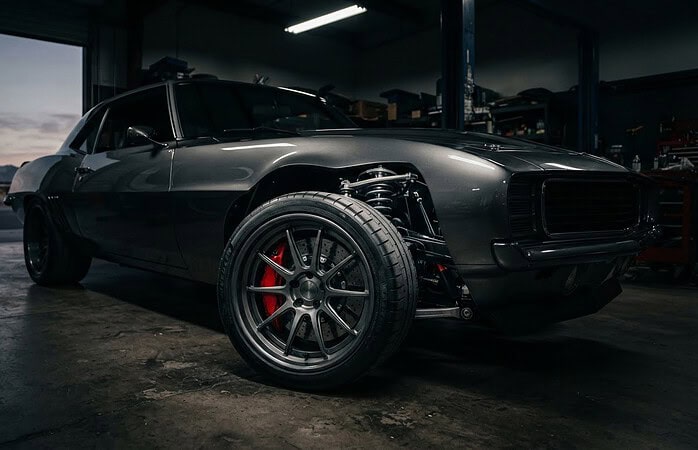
Iconic silhouettes from the 1960s and 70s represent a golden era of design. They evoke a visceral response that modern wind-tunnel-tested shapes often lack. However, the vintage mechanical experience often involves heavy steering, unreliable braking, and the constant threat of overheating. A professional restomod preserves that aesthetic purity while replacing the antiquated underpinnings with high-performance hardware. It’s the thrill of a 1969 Camaro with the precision of a modern supercar. The market is shifting toward these turn-key masterpieces because they offer the best of both worlds: the history you love and the performance you deserve.
The Value Proposition of Reliable Daily Driving
Reliability is the ultimate luxury. Modern fuel injection and advanced cooling systems have transformed the classic ownership experience from a weekend gamble into a daily reality. You can now embark on a long-distance coastal tour without the anxiety of a roadside breakdown. This operational consistency is what separates a professional engineering project from a mere hobbyist build. When you consider how to buy a restomod, you aren’t just buying a car; you’re acquiring an engineered asset. The long-term cost benefits are significant. Modern drivetrain components require less frequent, specialized maintenance compared to their temperamental vintage counterparts. These vehicles are meant to be utilized and enjoyed, not just displayed.
The Technical Blueprint: What to Look for Under the Sheet Metal
A vintage shell is merely the canvas. The true mastery lies beneath the sheet metal, where modern engineering transforms a classic into a high-performance asset. When you’re researching how to buy a restomod, the technical specifications should take precedence over the aesthetic finish. The heart of the machine often presents a choice: a rebuilt vintage block or a modern crate engine. While a period-correct block offers nostalgia, a modern powerplant provides the reliability of electronic fuel injection and a sophisticated ECU. This shift toward modern performance is a significant factor in the Younger Buyers Driving Restomod Market, as new collectors prioritize turn-key usability over traditional maintenance.
The skeleton of the car is equally vital. A high-horsepower engine is a liability if the chassis cannot handle the torque. Professional builds utilize extensive chassis reinforcement or full aftermarket frames to ensure structural rigidity. This foundation allows the car to track straight under heavy acceleration and remain composed through tight corners. It’s the difference between a car that feels like a vintage relic and one that feels like a modern precision instrument. You can see these engineering standards reflected in our current inventory of fully sorted classics.
Drivetrain and Modern Powerplants
The integration of power is a delicate science. Modern fuel management systems ensure the engine breathes perfectly in any climate, eliminating the cold-start frustrations of old carburetors. Transmission choice is the next critical pillar. A modern six-speed manual or a high-gear-count automatic provides a balance between raw, visceral acceleration and comfortable high-speed cruising. You must verify that the drivetrain has been engineered as a cohesive system, from the high-pressure fuel lines to the heavy-duty rear differential designed to put that modern power to the pavement.
Suspension Geometry and Braking Systems
Authentic performance requires moving beyond antiquated leaf springs. A professional restomod often features a four-link rear suspension or a sophisticated independent rear setup. These systems allow for precise tuning, ensuring the tires maintain a consistent contact patch with the road. Modern rack-and-pinion steering replaces the vague feel of vintage boxes, providing a direct, communicative connection to the driver. Safety is the final, non-negotiable element. High-performance braking systems from Wilwood or Brembo are essential. If the car has been upgraded to modern horsepower, it must possess the modern stopping power to match. Look for large-diameter rotors and multi-piston calipers that offer consistent performance without brake fade. These hidden hallmarks, along with upgraded electrical harnesses and oversized aluminum radiators, define a truly professional build.
Beyond the Paint: Evaluating Craftsmanship and Documentation
Visual impact is the first impression. It’s the deep, mirror-like finish of the paint and the perfect alignment of the chrome. But as you master how to buy a restomod, you’ll learn that true quality is found in the details that are often hidden from view. A high-end body restoration is a labor-intensive journey of metalwork and surface preparation. It’s worlds away from a quick respray that merely masks underlying issues. Look for consistent panel gaps and crisp body lines. These are the hallmarks of a master builder who refuses to cut corners.
Wiring is another silent indicator of excellence. A professional build utilizes a modern, integrated harness rather than a patchwork of vintage wires. This ensures that hidden amenities like power windows, central locking, and GPS function with modern reliability. This meticulous attention to detail is part of the rigorous quality assurance process we apply to every vehicle. It’s about ensuring that the electrical architecture is as robust as the mechanical components.
The Importance of Comprehensive Build Records
The Build Book is the mechanical biography of the car. It’s a comprehensive archive of every component, from the specific alloy of the wheels to the warranty information for the modern crate engine. Documentation acts as the primary driver of resale value. It transforms a modified car into a transparent, investment-grade asset. Without these records, you’re buying a mystery; with them, you’re acquiring a documented masterpiece. Every receipt and photo verifies the origin of the high-performance hardware, ensuring that future appraisals reflect the true technical depth of the build.
Interior Integration and Modern Comforts
The cabin should be a sanctuary of refined comfort. Melding bespoke leather with modern technology requires a delicate touch. High-end builds incorporate modern HVAC systems without altering the iconic dash aesthetic. Sound dampening materials are applied throughout the floor and doors to create a quiet, luxury feel. Every artisanal material, from the hand-stitched upholstery to the machined aluminum accents, should reinforce the exclusivity of the build. You should feel the heritage in the design, but experience the confidence of modern engineering in every switch and dial. This duality is the core of the restomod experience.
Mastering the Market: Financing and Sourcing Your Asset
Acquiring a high-performance classic is a strategic financial decision. It requires more than just passion; it demands a sophisticated understanding of asset valuation. When you’re determining how to buy a restomod, the financial structure of the deal is just as important as the engine under the hood. These machines are bespoke creations, making traditional blue-book valuations irrelevant. This complexity is why savvy collectors turn to specialized institutions that understand the intrinsic value of modern engineering paired with vintage design. You’re not just buying a car; you’re securing a tangible piece of functional art in a market that is projected to grow to $9.56 billion by 2034.
Navigating Specialized Classic Car Financing
Traditional auto loans often fail to account for the significant investments found in professional builds. Collector car loans are designed for this specific asset class, often offering longer terms that reflect the vehicle’s status as an appreciating asset. As of July 2026, Navy Federal Credit Union provides rates as low as 7.45% for 60-month terms on vehicles over 20 years old, while LightStream offers rates starting at 7.24% APR for those with excellent credit. Beyond the loan, agreed-value insurance is essential. It ensures that you receive the full appraised value of the vehicle, not just a depreciated market average. You can explore our specialized financing options to see how we simplify this process. For a deeper dive into the numbers, read our classic car financing guide.
The Logistics of National Acquisition
Private sales often hide mechanical nightmares behind a fresh coat of paint. Buying from a reputable curator eliminates this risk, providing a transparent history of the build and the peace of mind that comes with a professional inspection. Our current restomod inventory consists of fully sorted machines that have passed rigorous quality checks. Preserving that quality during delivery is paramount. Enclosed vehicle transport is the only acceptable method for moving an investment-grade asset, shielding the artisanal finish from road debris and weather. For those seeking specific models, professional vehicle sourcing agents can uncover off-market gems that never reach the public eye. Check our pillar guide on classic car restomods for sale to understand what defines a market-leading asset in 2026.
Investing in a restomod is a commitment to excellence. It’s a way to hedge against market volatility while enjoying a visceral, high-performance reality. If you’re ready to secure your next legacy piece, contact us today to discuss our Vehicle Sourcing services.
The Elite Standard: Securing a Fully Sorted Masterpiece
A restomod that merely runs is a liability. A fully sorted masterpiece is a standard. It’s ready for the open road from day one. You shouldn’t be the one finishing someone else’s engineering experiment. When you’re determining how to buy a restomod, you quickly realize that the final five percent of the build is what separates the elite from the amateur. This is the difference between a machine that looks good in a photo and one that performs flawlessly on a coastal tour. We define fully sorted as a vehicle where every system has been stress-tested, every rattle eliminated, and every modern convenience integrated with factory-level precision.
The peace of mind that comes with professional dealership support cannot be overstated. Private sales often leave you stranded when a custom-wired component fails or a suspension setting feels vague. A professional curator stands behind the machine. They act as the bridge between the initial vision and the high-performance reality. Whether you’re commissioning a custom build or selecting from an existing collection, the focus must remain on the marriage of brute force and refined comfort. This is the elite standard that transforms a simple transaction into the acquisition of a legacy asset.
The Rigorous Certification Process
Our Elite Certified Restomods represent the pinnacle of this industry. Every vehicle undergoes a multi-point inspection that scrutinizes everything from the suspension geometry to the high-pressure fuel lines. We don’t sell unrestored projects; we curate investment-grade assets. This rigorous quality assurance process ensures that every component, from the high-performance crate engine to the hand-stitched leather, meets our uncompromising standards. It’s the antidote to buyer anxiety. You aren’t just purchasing a car; you’re acquiring a documented, verified masterpiece that has been vetted by master builders who understand the soul of a vintage asset.
Continued Stewardship and Ownership
Ownership is a journey of stewardship. Your investment deserves an environment that reflects its value. Access to specialized maintenance and climate controlled car storage is vital for preserving the longevity of the artisanal finishes and mechanical systems. These vehicles are designed to be used, but they must be protected when at rest to maintain their investment-grade status. Joining this exclusive community means you have the support of a network that understands the meticulous nature of these builds. From enclosed transport to expert consignment services, the stewardship of your vehicle is a comprehensive experience. Taking the first step toward your dream build is about more than just speed; it’s about securing a piece of functional art that is built to endure.
Secure Your Automotive Legacy
The journey to owning a high-performance classic shouldn’t be defined by compromise. You now have the professional framework for how to buy a restomod with the confidence of a master builder. Remember that an investment-grade asset is built on a foundation of rigorous technical audits and comprehensive documentation. It’s the marriage of a vintage soul with the absolute reliability of modern engineering. By prioritizing a fully sorted machine, you ensure that every drive is defined by visceral excitement rather than mechanical anxiety.
We provide the bridge between your long-held dream and a tangible, high-performance reality. Every vehicle in our collection undergoes a meticulous quality assurance process to ensure it meets the elite standard. With specialized classic car financing and nationwide enclosed transport available, the acquisition process is as refined as the machines themselves. This level of stewardship ensures your asset is protected from the showroom floor to your private gallery.
Explore our curated inventory of Elite Certified Restomods and claim your bespoke piece of functional art. Your automotive legacy begins with the turn of a key.
Frequently Asked Questions
What is the difference between a restoration and a restomod?
A traditional restoration focuses on historical accuracy, returning a vehicle to its factory-original specifications using period-correct parts. In contrast, a restomod preserves the vintage aesthetic while integrating modern performance components like high-output crate engines, disc brakes, and independent suspensions. This approach prioritizes drivability and reliability, creating a machine that looks like a classic but performs with the precision of a contemporary supercar.
How do I determine the value of a restomod car?
Determining the value of a restomod requires a technical audit rather than a historical one. You must evaluate the quality of the engineering, the reputation of the builder, and the specific high-performance components used. Comprehensive documentation, often referred to as a Build Book, is essential for validating the investment. Professional appraisals and recent sales data for similar elite-level builds provide the most accurate benchmark for market value.
Can I finance a restomod like a regular car?
You can finance these vehicles, but it requires specialized classic car financing rather than a standard auto loan. Lenders in this niche understand the unique valuation of modified vehicles and offer terms based on an agreed-value appraisal. This ensures the loan covers the true cost of the modern engineering and artisanal craftsmanship. As of July 2026, specialized lenders offer competitive rates for those with excellent credit scores.
What are the most popular engines for restomod builds?
The most popular powerplants are modern fuel-injected crate engines that offer turn-key reliability and immense power. The GM LS series remains a staple for its compact size and versatility, while Ford enthusiasts often choose the Coyote 5.0L for its high-revving performance. Modern Hemi powerplants are the preferred choice for Mopar builds. These engines provide the consistent performance and ease of maintenance that modern collectors demand for daily driving.
Is it better to build a restomod or buy one already finished?
Buying a finished vehicle is generally more cost-effective and efficient than commissioning a new build from scratch. Professional projects can take years to complete and often exceed their initial budgets due to the complexity of custom engineering. When you learn how to buy a restomod that is already fully sorted, you avoid developmental delays and receive a turn-key machine that is ready for the open road immediately.
What should I look for during a restomod inspection?
During an inspection, focus on the integration of modern components into the vintage frame. Check for chassis reinforcement to handle increased torque and examine the wiring harness for professional execution rather than patchwork repairs. Cooling systems should be oversized for modern powerplants, and suspension geometry must be precise. A professional inspection ensures the vehicle is a cohesive engineering project rather than a collection of mismatched aftermarket parts.
Do restomods hold their value as well as original classic cars?
Investment-grade restomods are increasingly viewed as appreciating assets, often outperforming traditional restorations in the current market. The demand for drivable, reliable classics has shifted collector psychology toward these modernized machines. While original cars appeal to purists, the broader market prioritizes the usability and safety of a restomod. High-quality builds with documented provenance and elite certification maintain significant value as the pool of younger collectors grows.
What modern features are most important in a restomod?
The most critical features include electronic fuel injection (EFI) for reliability and high-performance disc brakes for safety. Modern suspension systems, such as a four-link or independent rear setup, are essential for handling increased horsepower. Inside the cabin, integrated climate control and sound dampening materials transform the driving experience. These features ensure the car is capable of modern daily driving while maintaining its iconic heritage silhouette and visceral soul.