
What if the most reliable part of your vintage icon wasn’t its history, but its heartbeat? For many collectors, the romance of a classic silhouette is often interrupted by the harsh reality of a temperamental original powertrain. Selecting a modern crate engine for classic cars represents more than a simple mechanical swap; it’s a high-stakes evolution from a fragile relic to a bespoke piece of functional art.
It’s frustrating when a weekend drive is cut short by a vapor-locked carburetor or an ancient wiring harness. You deserve the visceral thrill of a V8 that starts every time and the confidence to merge onto modern highways with power to spare. This guide explores how elite engineering transforms these machines into investment-grade masterpieces. We’ll examine the technical intricacies of Gen 4 Coyote and LS platforms, navigate the complexities of 2026 EPA emissions compliance, and reveal how to achieve a turnkey finish that honors the past while dominating the present.
Key Takeaways
- Bridge the gap between iconic vintage design and modern reliability by understanding the transformative power of current powertrain technology.
- Explore the technical advantages of leading GM and Ford platforms to determine which high-performance architecture best suits your driving aspirations.
- Learn why a truly elite build depends on the seamless integration of secondary systems and advanced electronic control units for a turnkey experience.
- Discover how a modern crate engine for classic cars enhances market value by prioritizing mechanical perfection and daily drivability.
- Understand the rigorous quality assurance process required to ensure your bespoke project transitions from a museum piece to a functional work of art.
The Evolution of Power: Why Modern Crate Engines Define the Restomod Era
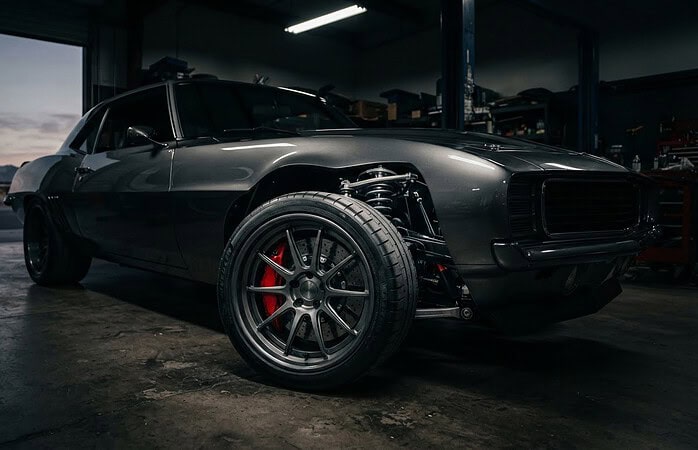
The silhouette of a 1969 Camaro or a 1965 Mustang is timeless. It evokes a golden age of design and a raw, unapologetic presence on the road. However, the mechanical reality of these legends is often less than poetic. Original engines were masterpieces of their era, but they struggle against the relentless demands of the 21st century. High-revving highway speeds and stop-and-go traffic tax ancient cooling systems and primitive fuel delivery. This inherent conflict defines the restomod movement. We don’t just restore; we reimagine. By integrating a modern crate engine for classic cars, we bridge the gap between a static display piece and a machine that demands to be utilized and enjoyed.
A Crate engine offers more than just raw horsepower. It provides a level of mechanical precision that was simply impossible fifty years ago. Imagine the immediate, crisp response of modern fuel injection paired with the visceral roar of a high-displacement V8. It is a transformative experience for any enthusiast. You no longer drive with one eye on the temperature gauge and one hand on a prayer. Instead, you focus on the apex of the curve. This modern engineering is the key to unlocking the true potential of a legacy chassis, allowing the vehicle to perform at a level that matches its iconic aesthetic.
Heritage Design Meets Modern Reliability
Preserving the soul of a vintage asset is our primary directive. A vehicle should look like a masterpiece, but it must perform like a contemporary supercar. We view every project as a piece of functional art. This shift in perspective removes the anxiety of mechanical failure that plagues so many traditional restorations. When you turn the key, the engine fires instantly. There is no coaxing. No pumping the gas pedal. Just the steady, confident idle of a power plant built to an investment-grade standard. Our clients seek the nostalgia of the past without the compromises of the era’s engineering.
Overcoming the Limitations of Vintage Iron
The inefficiencies of the 20th century are charming until they prevent you from driving. Carburetors are notoriously sensitive to altitude and temperature changes. Points-style ignition systems require constant maintenance to stay in tune. Original high-performance blocks often suffer from poor thermal management, leading to overheating in modern traffic. A modern crate engine for classic cars solves these issues through advanced metallurgy and electronic management.
These engines utilize sophisticated Electronic Control Units (ECUs) to optimize every combustion cycle. They run cooler, breathe better, and produce significantly more power with a fraction of the maintenance required by vintage iron. This isn’t just a swap; it’s a systematic upgrade of the vehicle’s entire operational DNA. You can learn more about our comprehensive approach to vehicle transformation on our services page. We ensure that every legacy chassis is prepared to handle the massive torque and refined power of a contemporary drivetrain, creating a driving experience that is as reliable as it is exhilarating.
The Modern Pantheon: Top Engine Platforms for Classic Vehicle Integration
Choosing a modern crate engine for classic cars is an act of curation. It’s the moment where the builder’s vision meets the manufacturer’s precision. While the market offers numerous paths, a few specific platforms have ascended to legendary status. These engines don’t just provide propulsion; they offer a refined, predictable power delivery that transforms the very essence of a vintage chassis. This isn’t merely about speed. It’s about the sophisticated marriage of brute force and daily usability.
The GM LS and LT Series: The Gold Standard of Versatility
The Chevrolet Small Block has always been a staple of performance, but the LS and LT series elevated it to a global benchmark. The LS platform is celebrated for its compact dimensions and exceptional power-to-weight ratio. Its pushrod design allows it to fit into tight engine bays where overhead cam engines might struggle. This versatility has created a vast aftermarket support system, ensuring that every swap is fully supported and easily serviceable for decades to come.
For those seeking the absolute pinnacle of efficiency, the LT series represents the next level of direct-injection technology. The LT1 and its supercharged siblings, the LT4 and LT5, utilize advanced variable valve timing to provide a broader torque curve and a smoother idle than traditional port-injected engines. When you opt for an LT4, you’re gaining 650 horsepower of factory-engineered precision. This level of sophistication ensures the vehicle remains composed during a leisurely cruise yet becomes a visceral monster the moment the throttle is pinned. It’s a level of performance that makes original mechanical systems feel like relics of a distant past.
Ford Coyote and Mopar Hemi: Brand-Loyal Performance
For the Blue Oval faithful, the Ford Coyote 5.0 is the definitive choice. Its dual overhead cam architecture creates a high-revving, sophisticated character that feels remarkably contemporary. While its physical width presents unique packaging challenges in narrower vintage engine bays, the rewards are immense. The Coyote delivers a smooth, linear power band that encourages spirited driving while maintaining impeccable manners in modern traffic. It brings a level of overhead cam sophistication that perfectly complements the timeless lines of a classic Mustang or F-100.
Similarly, the Mopar Gen III Hemi allows muscle car enthusiasts to harness a legendary nameplate with the benefits of modern electronics. These engines deliver brutal low-end torque and a signature exhaust note that honors the heritage of the muscle car elite. Whether it’s a naturally aspirated 392 or a supercharged variant, the Hemi provides the cold-start reliability and modern drivability that original blocks simply cannot match. It’s about matching the engine’s character to the historical significance of the vehicle, ensuring the soul remains intact even as the performance is revolutionized.
While some builders consider custom-built performance blocks, a factory-engineered crate engine offers a superior standard of long-term reliability. These units undergo thousands of hours of validation, offering a level of consistency that one-off builds often lack. To see how these powerhouses look when integrated into a bespoke build, you can view our current collection of fully sorted masterpieces. Each selection is a deliberate step toward creating a vehicle that is as dependable as it is exhilarating.
Beyond the Block: Technical Intricacies of a Fully Sorted Engine Swap
Dropping a motor into an engine bay is a mechanical task. Engineering a cohesive driving environment is an art form. A truly fully sorted swap ensures that every secondary system is meticulously calibrated to support the massive increase in performance. When you install a modern crate engine for classic cars, you aren’t just changing the power source; you’re redesigning the vehicle’s entire operational ecosystem. Without this holistic approach, the brute force of a contemporary V8 remains trapped by the limitations of vintage peripheral hardware. We focus on the synergy between power and control, ensuring every component elevates the driving experience.
Thermal management is a primary pillar of this engineering philosophy. Original copper radiators were never designed to dissipate the intense heat generated by a 650-horsepower supercharged engine. Custom aluminum radiators and high-performance electric fans are non-negotiable for reliable daily driving in modern traffic. This cooling efficiency is paired with a drivetrain capable of handling modern torque loads without hesitation. It’s about creating a machine that is as comfortable idling in summer heat as it is tearing down the open road.
Managing the Brain: ECU and Wiring Integration
The Electronic Control Unit (ECU) serves as the central nervous system of the build. It manages everything from fuel trim to cooling fan activation with microsecond precision. A basic run-stand harness might get the engine started, but an elite build requires an integrated vehicle control system. This ensures that modern engine data communicates perfectly with bespoke analog-style gauges. You maintain the classic aesthetic while gaining the accuracy of digital sensors. Discover how we meticulously document every step in our restomod build process to ensure this level of technical perfection.
Drivetrain and Exhaust: The Supporting Cast
Drivetrain synergy is the final piece of the performance puzzle. The massive torque of a modern crate engine for classic cars will easily shred a factory 3-speed transmission or a stock rear end. We integrate modern 6-speed manuals or high-tech 10-speed automatics to ensure that power is delivered with both violence and grace. These transmissions allow for explosive acceleration in lower gears while maintaining effortless, low-RPM cruising at modern highway speeds. It’s a duality that defines the modern restomod experience.
Reliability also demands a high-pressure fuel system. We utilize baffled tanks and internal pumps to prevent fuel starvation during spirited cornering. Finally, bespoke exhaust fabrication ensures the engine breathes properly. The goal is a refined, purposeful growl that reflects the luxury craftsmanship of the build rather than the raw, unrefined noise of an unfinished project. Every component, from the fuel lines to the transmission mounts, must work in perfect synergy to deliver a turnkey experience that feels engineered, not just assembled.
The Investment Perspective: How Modern Drivetrains Impact Classic Car Value
The collector car market is undergoing a fundamental shift. While “matching numbers” remains the standard for ultra-rare museum pieces, the elite tier of the market has discovered a new preference. Collectors now pay significant premiums for reliable, high-performance machines that offer a modern driving experience. Integrating a modern crate engine for classic cars is no longer seen as a compromise of historical integrity. Instead, it’s viewed as a preservation of the vehicle’s purpose. A car that cannot be driven is merely a sculpture. A car that starts every time and handles modern traffic is a liquid asset.
There’s a stark difference between a backyard engine swap and an investment-grade restomod. The former often devalues the vehicle due to poor engineering and unreliable wiring. The latter increases value by providing a turnkey reality. Professional documentation and the use of high-end components safeguard your financial commitment. When every bolt and wire is documented, the vehicle becomes a known quantity for future buyers. This transparency is essential for maintaining high valuations in the secondary market. It transforms a mechanical project into a documented piece of functional art.
Performance Upgrades vs. Market Desirability
Not every classic is a candidate for a drivetrain overhaul. However, for iconic models like 1960s muscle cars or vintage trucks, the buyer pool expands dramatically when modern power is involved. Many contemporary collectors don’t want to manage the temperamental nature of a 50-year-old carburetor. They want the aesthetic of the 1960s with the reliability of 2026. By utilizing widely recognized platforms like the LS or Coyote, you ensure the vehicle remains serviceable by any professional shop. You can review our current selection of investment-grade restomods for sale to see how these strategic upgrades impact market presence.
The Markers of Quality in a High-Value Build
Quality is found in the details that most observers never see. A clean engine bay is the hallmark of a master builder. This involves meticulously hiding the wiring and plumbing to emphasize the machinery itself. We treat the engine like a jewel in a bespoke setting. Professional build history and certifications, such as our Elite Certified process, provide the provenance needed for long-term valuation. A fully sorted vehicle is always a smarter financial move than an unfinished project or a budget build. It represents a completed journey where every mechanical hurdle has already been cleared. If you’re ready to elevate your collection, explore our custom build services to begin your own transformative journey.
Commissioning Excellence: The Elite Restomods Approach to Bespoke Builds
At Elite Restomods, we don’t simply perform engine swaps. We curate transformations. Every project is approached as a piece of functional art, where the goal is to relive a classic era of design while possessing the absolute confidence of modern engineering. Selecting a modern crate engine for classic cars is the beginning of a systematic evolution. Our philosophy centers on the marriage of brute force and refined comfort, ensuring that the finished product isn’t just a machine to be displayed, but an investment-grade asset meant to be utilized and enjoyed.
The soul of a vintage asset deserves more than a generic restoration. We apply our rigorous Elite Certified quality assurance process to every build, treating no detail as too small to be overlooked. This process bridges the gap between a client’s long-held dream and a tangible, high-performance reality. By focusing on a fully sorted vehicle, we simplify the ownership experience. You gain a car that starts every time, stays cool in traffic, and delivers visceral excitement without the mechanical anxiety typical of original 20th-century hardware.
A Curated Engineering Process for Discerning Collectors
This journey begins with a meticulous consultation to align the engine selection with your specific driving goals. Whether you desire the high-revving sophistication of a Coyote or the supercharged precision of an LT4, we guide you through the technical intricacies of the build. Our commitment to excellence ensures that the engine bay is as aesthetically pleasing as the artisanal interior. If you’re ready to start your project, you can consult with our experts about your custom restomod builder needs to ensure your vision is executed to a world-class standard.
From Concept to Reliable Daily Driver
The final realization of a project is the moment it leaves our facility as a reliable daily driver. We don’t consider a build complete until it has undergone extensive testing to ensure every system operates in perfect synergy. This professional support provides the peace of mind that comes with a commissioned, high-performance masterpiece. You’re invited to participate in this transformative journey, turning a relic of the past into a modern icon of the road. To see the results of this perfectionism, feel free to explore our curated inventory of fully sorted vehicles and discover what it means to drive a classic without compromise.
The Future of Your Legacy: Elevate Every Drive
The journey from a temperamental vintage relic to a high-performance masterpiece is a deliberate evolution. By integrating a modern crate engine for classic cars, you don’t just upgrade a powertrain; you redefine what’s possible on the open road. We’ve explored how technical synergy and investment-grade standards ensure your vehicle remains a functional work of art for generations to come. It’s about more than raw horsepower. It’s about the sophisticated confidence of a machine that starts every time and performs without compromise.
Our Elite Certified quality assurance process ensures every component meets the most exacting standards of luxury and reliability. We prioritize investment-grade performance, guaranteeing that your dream car is as valuable as it is exhilarating to drive. With national enclosed vehicle transport available, your project is handled with the white-glove care it deserves from start to finish.
The bridge between your long-held vision and a tangible, high-performance reality is closer than you think. Commission your dream custom restomod build with Elite Restomods and experience the perfect marriage of heritage design and contemporary precision. Your next masterpiece is waiting to be realized.
Frequently Asked Questions
Will a modern engine swap fit into my classic car without major modifications?
Most modern power plants require specific modifications to the engine bay and chassis to achieve a factory-perfect fit. While the compact LS series often slides into tighter bays with minimal interference, the wider overhead cam architecture of a Coyote or Hemi typically demands bespoke mounting solutions and firewall adjustments. We engineer these components to ensure the engine sits at the optimal center of gravity for superior handling.
How much horsepower can I expect from a typical LS or Coyote engine swap?
Power levels range from a refined 333 horsepower for entry-level blocks to over 1,000 horsepower for elite supercharged variants. A naturally aspirated Gen 4 Coyote typically delivers 480 horsepower, providing a linear and sophisticated power band. For those seeking more aggressive performance, a supercharged 5.0L Coyote can produce 600 horsepower and 475 ft-lb of torque, transforming the vehicle into a visceral high-performance machine.
Do I need to upgrade my brakes and suspension when doing an engine swap?
Upgrading the brakes and suspension is a non-negotiable requirement when integrating a modern crate engine for classic cars. Vintage drum brakes and soft leaf springs were never designed to manage the massive torque and velocity of contemporary V8 engines. We utilize high-performance disc conversions and modern coilover systems to ensure the chassis remains composed and safe under the stress of significantly increased power.
Can I still use my original dashboard and gauges with a modern engine swap?
You can preserve your original dashboard and gauges by utilizing specialized interface modules that convert digital engine data into analog signals. This allows the nostalgic interior aesthetic to remain untouched while providing the accuracy of modern sensors managed by an Electronic Control Unit. It’s a critical step in maintaining the vehicle’s timeless soul without sacrificing the precision required for reliable daily driving.
Is a modern engine swap more reliable than rebuilding the original engine?
A modern crate engine for classic cars is significantly more reliable than rebuilding an original 20th-century block. Contemporary power plants benefit from advanced metallurgy and electronic fuel injection, which eliminate common vintage frustrations like vapor lock and cold-start hesitation. These systems are engineered for consistent performance across varying altitudes and temperatures, offering a turnkey experience that original mechanical systems simply cannot match.
What is the average timeline for a professional classic car engine swap?
A professional, investment-grade engine swap typically requires a timeline of six to twelve months to reach a fully sorted state. This duration accounts for the meticulous fabrication of custom mounts, the integration of complex wiring harnesses, and our rigorous quality assurance testing. We prioritize technical perfection over speed to ensure the final product delivers the refined, luxury craftsmanship our clients expect from a world-class builder.
Are modern engine swaps legal for street use in all states?
Legality depends on your specific location and the emissions equipment retained during the build. As of 2026, the EPA has clarified that engine swaps must retain all emissions equipment from the donor engine to remain federally compliant. In California and other states following CARB rules, the engine and vehicle combination must have a specific Executive Order number to be street legal, making professional consultation essential before starting a build.
How does an engine swap affect the insurance and appraisal of my classic car?
A professionally executed swap typically increases the appraisal value by expanding the vehicle’s market desirability and daily usability. However, you must secure an agreed-value insurance policy rather than a standard collector policy to reflect the significant financial investment in modern hardware. This ensures your coverage accounts for the true replacement cost of a bespoke, high-performance restomod rather than a stock vintage asset.