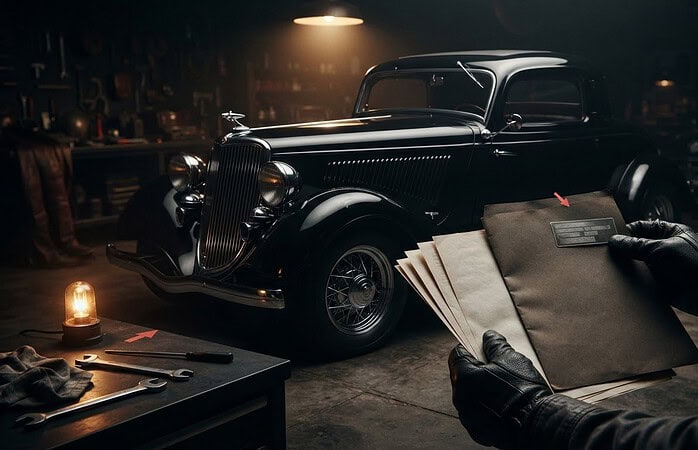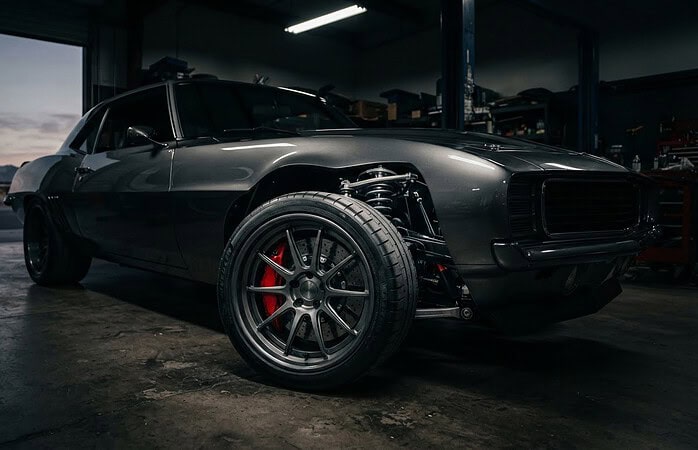

A six-figure restomod without a comprehensive build book isn’t an investment. It’s a high-stakes gamble wrapped in flawless PPG paint. You’ve likely felt that tightening in your chest while admiring a custom 1967 Fastback, wondering if the craftsmanship beneath the carbon fiber is as refined as the exterior suggests. It’s common to fear the ‘hack job’ hidden by a polished finish or to worry about how a future technician will navigate the bespoke wiring of a one-off machine. Understanding the restomod build documentation importance is the only way to transform these anxieties into the confidence of a true collector.
You deserve to know every bolt’s torque spec and every wire’s path. Discover why meticulous build records are the difference between a high-value automotive asset and a mechanical mystery that drains your portfolio. We’ll outline the essential components of an investment-grade build book, providing you with a clear framework to justify a premium valuation and ensure your vehicle remains a functional piece of art for decades. From verifying modern drivetrain integration to documenting artisanal interior finishes, this guide ensures your 2026 acquisition stands as a testament to perfection rather than a question mark.
Key Takeaways
- Learn how transparency in the construction process distinguishes a professionally sorted asset from a standard project car.
- Identify the critical components of a master build sheet that transform a mechanical mystery into a verifiable masterpiece.
- Understand the restomod build documentation importance when navigating the 2026 auction circuit or entering a professional consignment program.
- Discover how a detailed technical roadmap ensures long-term serviceability by removing the guesswork for future master technicians.
- Gain the framework needed to justify a six-figure appraisal and secure your vehicle’s status as a stable automotive investment.
Why Documentation Defines an Investment-Grade Restomod
A restomod is more than a classic body on a modern chassis; it is a complex symphony of disparate eras. In the 2026 market, the distinction between a high-value collectible and a mechanical liability hinges on a single factor: provenance. While traditional collectors once obsessed over matching serial numbers, the modern enthusiast demands a different kind of proof. They seek engineering transparency. The restomod build documentation importance lies in its ability to prove that a vehicle is fully sorted, meaning every modern component has been integrated with the precision of a factory-built supercar. Without these records, a car is merely a collection of parts. With them, it becomes a documented asset that holds its value through market fluctuations.
The Shift from Originality to Engineering Transparency
Modern collectors don’t just want the look of a 1969 Fastback. They want the reliability of a 2026 performance machine. This shift has redefined vehicle restoration standards for the custom era. A sorted vehicle is one where the fuel injection, suspension geometry, and thermal management systems work in perfect harmony. A comprehensive build book provides the psychological assurance that the car won’t overheat in traffic or fail during a spirited drive. It builds immediate trust by showing that the builder prioritized long-term operation over short-term aesthetics. For those browsing an inventory of premium builds, this transparency is the bridge between raw performance and luxury reliability.
Protecting the Financial Value of a Custom Asset
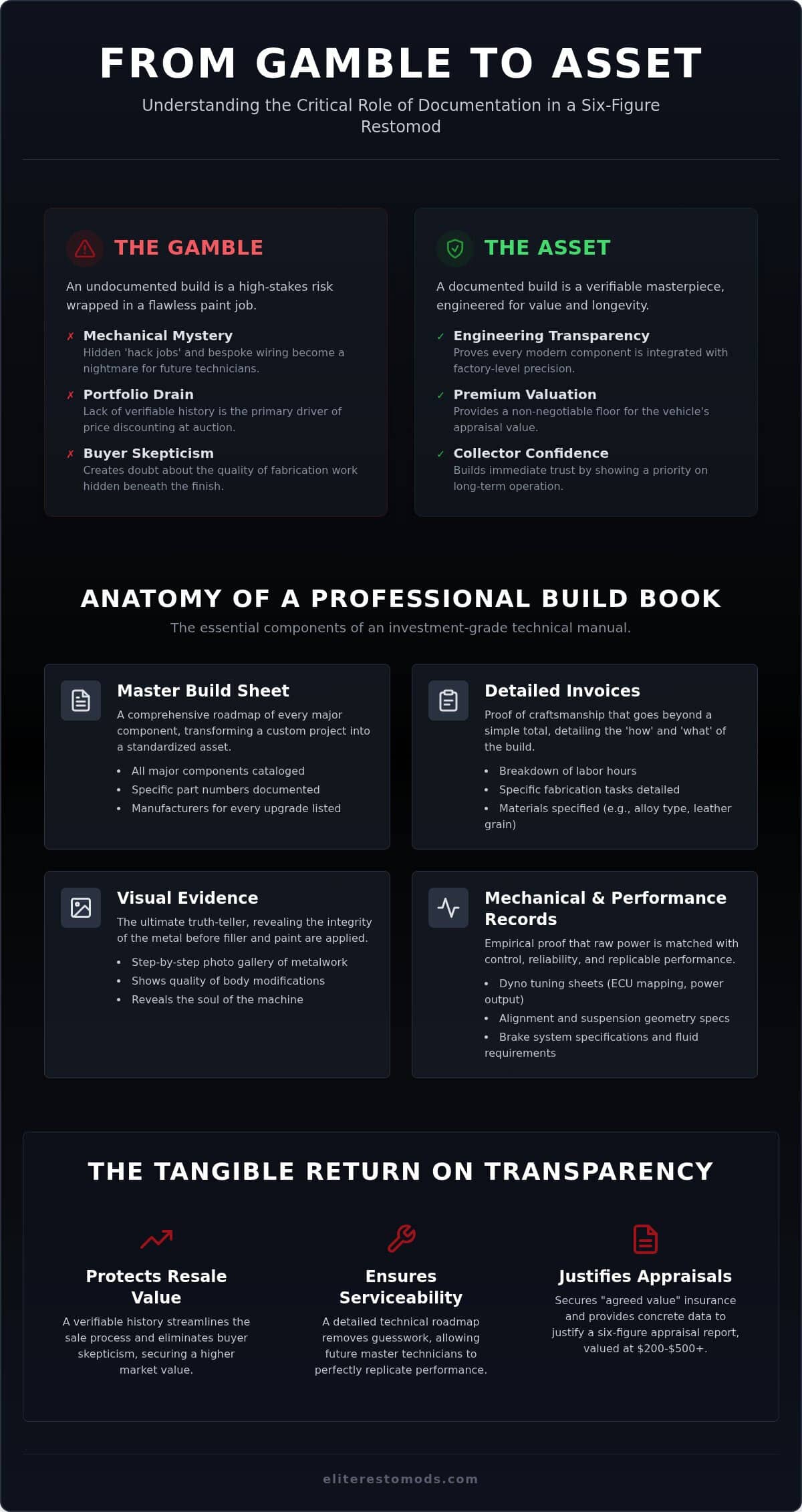
Financial stability in the automotive world requires concrete data. In 2026, the elite auction circuit has proven that a lack of documentation is the primary driver of price discounting. When a six-figure asset hits the block, buyers look for a verifiable history to mitigate risk. This documentation provides a non-negotiable floor for your vehicle’s appraisal value, which typically ranges from $200 to over $500 for a formal written report. Meticulous records are essential for several reasons:
- It secures “agreed value” insurance coverage by proving the cost of high-performance components.
- It establishes a verifiable history that streamlines the sale process.
- It eliminates buyer skepticism regarding the quality of the fabrication work hidden beneath the paint.
An investment-grade restomod demands a higher standard of proof because it is a unique, one-off creation. Comprehensive records ensure that your vision is protected as a tangible financial asset rather than a mechanical mystery.
The Anatomy of a Professional Build Book
A professional build book is the physical manifestation of a master builder’s vision. It isn’t just a loose folder of receipts; it is a meticulous technical manual. This document serves as a master build sheet, providing a comprehensive roadmap of every major component utilized in the transformation. Every upgrade must include part numbers and manufacturers. This level of detail is non-negotiable for establishing verifiable history and market value in the 2026 collector landscape. When every component is cataloged, the vehicle transitions from a custom project to a standardized automotive asset.
Detailed shop invoices are equally vital. They shouldn’t just list a total; they should break down labor hours and specific fabrication tasks. Invoices should detail the specific alloy used in fabrication or the exact grain of the artisanal leather selected for the interior. Transparency proves the depth of the craftsmanship. Visual evidence remains the ultimate truth teller. A step-by-step photo gallery of the metalwork is essential. It reveals the quality of the body modifications before the filler and paint hide the truth. This is where the restomod build documentation importance becomes undeniable; it reveals the soul of the machine and the integrity of the metal beneath the shine.
Mechanical and Performance Records
Raw power is meaningless without control. Dyno tuning sheets provide the empirical proof of a modern powerplant’s output and drivability. These aren’t just for bragging rights; they confirm the ECU is mapped for real-world reliability and peak thermal efficiency. Similarly, alignment specs and suspension geometry settings are critical for bespoke chassis setups. These technical records ensure that if a component needs replacement, the car’s signature handling can be perfectly replicated. Brake system specifications, including fluid requirements and piston counts, complete the performance profile of the high-performance hardware, ensuring safety matches the brute force of the engine.
The Technical Deep Dive: Wiring and Electronics
The most overlooked element of custom builds is the electrical architecture. Custom wiring schematics are the lifeblood of a modern restomod. Without them, a simple short circuit can turn into a diagnostic nightmare for a third-party shop. A professional build book includes ECU mapping files, software versioning, and detailed circuit diagrams. Knowing the exact fuse box locations and integrated modern amenity circuits is what separates a world-class build from a mechanical mystery. This technical clarity highlights the restomod build documentation importance, as it transforms a complex electrical loom into an understandable system for future service. You can see how we integrate these standards by exploring our meticulous build process.
Protecting Resale Value Through Verifiable History
Value in the 2026 collector market isn’t just about what is visible on the surface. It’s about what can be proven. When an asset transitions from your private collection to the public market, the paperwork acts as its pedigree. A clear chain of ownership and a meticulous service history transform a high-performance machine into an exclusive automotive investment. This level of transparency is exactly how documentation builds trust between a seller and a discerning buyer. Without it, even the most stunning build is viewed with skepticism; with it, the vehicle’s asking price becomes a defensible fact rather than a hopeful suggestion.
The restomod build documentation importance becomes most apparent during high-stakes transactions. In the rapid-fire environment of a premier auction, bidders have seconds to decide if they trust the engineering. A professional build book present on the seat of the car signals a commitment to excellence. It provides the confidence needed for a quick, record-setting sale. Professional certification also plays a pivotal role in long-term appreciation. Vehicles that carry the weight of a recognized builder’s seal of approval consistently outperform undocumented projects. They aren’t just cars; they are verified pieces of functional art with a developmental narrative that collectors are willing to pay a premium to own.
Maximizing the Consignment Experience
Selling a custom vehicle requires a specialized approach. A well-organized build book allows consignment services to market your vehicle with surgical precision. Instead of vague descriptions, agents can highlight specific high-performance mechanical components and artisanal finishes. This strategy drastically reduces the time-to-sale. It pre-empts the technical questions savvy buyers always ask. By providing a compelling narrative of the vehicle’s transformation, you move the conversation away from cost and toward value. You aren’t just selling a car; you’re selling a legacy of modern engineering and heritage design.
The Appraisal and Insurance Advantage
Standard insurance policies often fail to capture the true value of a bespoke build. Documentation provides the necessary proof of cost and craftsmanship required for agreed-value policies. It helps appraisers see beyond the vintage silhouette. They can differentiate between a budget-minded project and an Elite Certified Restomod by reviewing the specific fabrication tasks and high-end materials used. Meticulous records document the ‘hidden’ value in specialized fabrication that a simple visual inspection might miss. This ensures your financial floor is protected, regardless of market volatility.
Ensuring Long-Term Serviceability with Technical Records
Custom cars are notoriously difficult for third-party shops to service. This is the ‘One-Off’ problem. Every bespoke bracket, unique wiring loom, and specialized fuel system is a puzzle for a technician who wasn’t there during the initial assembly. Without a map, hours are wasted on expensive reverse engineering. This is where the restomod build documentation importance shifts from financial protection to operational necessity. A comprehensive technical manual empowers future technicians to maintain the vehicle’s peak performance without guesswork. It transforms a mechanical mystery into a serviceable asset.
Modern components in classic shells require specific care. A 2026 high-performance crate engine has maintenance intervals and fluid requirements that differ vastly from the original 1960s block. Documenting these specifics is crucial. It ensures the longevity of the modern drivetrain while preserving the vintage soul. If a future owner needs to replace a sensor or update a transmission controller, the build book provides the exact part numbers and software versions needed. This foresight prevents the frustration of trial-and-error repairs, keeping the car on the road and out of the shop.
Creating a Digital Build Archive
Physical records are essential, but digital backups are your insurance policy. Best practices involve scanning every physical receipt and invoice into a categorized system. High-resolution build photos should be stored in a cloud-based folder. This allows for easy sharing with specialists or potential buyers across the country. Digital logs of software updates for ECU and transmission controllers are equally vital. They provide a clear history of the vehicle’s electronic evolution, ensuring that any future tuning starts from a known, stable baseline. You can explore our inventory of fully documented builds to see these standards in action.
The Physical Build Book: A Collector’s Signature
A physical binder is a badge of honor at shows and inspections. It should be organized with protective sleeves and logical tabs. Separate sections for mechanical work, interior craftsmanship, and paint codes make the information accessible. Including a ‘Quick Start’ guide is a professional touch. It helps the next owner understand vehicle operations, from starting procedures to operating modern infotainment systems integrated into the dash. This level of organization signals that the car was curated by a perfectionist. It bridges the gap between a client’s dream and a tangible, high-performance reality.
The Elite Certified Approach to Build Transparency
Transparency isn’t an afterthought. It’s a foundational pillar of every vehicle we curate. Our Elite Certified Restomods set a new standard for documentation by treating the build book as a living history of the asset. We understand that a client’s journey doesn’t end at delivery; it begins there. This commitment to a fully sorted ownership experience from the first mile ensures that every shift, every corner, and every throttle pull is backed by the confidence of modern engineering. We bridge the gap between vintage aesthetics and 2026 reliability through a rigorous quality assurance process that leaves no bolt unturned. Understanding the restomod build documentation importance is central to our philosophy, ensuring that your investment is protected by more than just a reputation.
Our process emphasizes quality assurance and reliable daily driving. Every vehicle in our curated inventory undergoes a systematic breakdown of its mechanical and aesthetic upgrades. We don’t just build machines; we create bespoke pieces of functional art. This meticulous nature ensures that the brute force of a high-performance drivetrain is always tempered by the refined comfort of an artisanal interior. By documenting every phase of the transformation, we provide a clear narrative arc for the project. This gives you the immediate visual impact you crave, followed by a deep dive into the mechanical intricacies that make the car a world-class asset.
The Hallmarks of an Elite Build
An Elite build is a visceral blend of raw automotive passion and meticulous modern engineering. We juxtapose traditional aesthetics with the unwavering reliability of a documented, modern drivetrain. This isn’t just about creating a showpiece; it’s about engineering a machine meant to be utilized and enjoyed on the open road. The peace of mind that comes from our documentation allows you to drive with the same confidence you’d have in a modern luxury vehicle. You know every system is optimized. You know every component is cataloged. We treat every project as a transformative journey, inviting you to participate in the realization of a high-performance reality.
Taking the Next Step in Your Journey
Your journey toward owning a bespoke piece of functional art begins with a vision. Our custom build process includes a comprehensive delivery package that serves as the ultimate proof of value. We invite you to participate in the transformative narrative of your vehicle’s creation, turning a long-held dream into a tangible reality. Whether you are seeking vehicle sourcing or professional consignment, our full range of services caters to the most discerning collectors. Commissioning a build with us means prioritizing both peak performance and long-term investment stability. The restomod build documentation importance is woven into our DNA, ensuring your vehicle remains a benchmark of quality for years to come.
Securing Your Automotive Legacy
A restomod is a transformative journey. It’s the physical realization of a dream where nostalgic design meets modern reliability. Throughout this guide, we’ve explored how a meticulous build book serves as the bridge between raw performance and luxury reliability. By cataloging every artisanal stitch and high-performance mechanical component, you transform a one-off machine into a stable, high-value asset. The restomod build documentation importance cannot be overstated; it is the ultimate insurance policy for your capital. It ensures that your vehicle remains serviceable by any master technician in 2026 and beyond, removing the mystery from the machine.
Every Elite Certified vehicle we curate undergoes a rigorous quality assurance process, backed by investment-grade documentation that proves its worth on the auction block and the open road. You deserve a vehicle that is as dependable as it is beautiful, a bespoke piece of functional art that stands as a testament to your pursuit of excellence. Explore our inventory of fully sorted, investment-grade restomods and find a machine built to be driven. Your journey toward automotive perfection is just beginning.
Frequently Asked Questions
What is a restomod build sheet and why is it essential?
A restomod build sheet is a comprehensive inventory of every major component and modification made during the vehicle’s transformation. It is essential because it removes the ambiguity associated with bespoke builds, providing a technical blueprint for future maintenance. For an Elite Certified Restomod, this document ensures that the brute force of a modern powerplant is perfectly cataloged. It serves as the primary evidence that your vehicle is a fully sorted, investment-grade asset rather than a mechanical mystery.
How do shop invoices affect the resale value of a restomod car?
Shop invoices provide the financial and technical proof of the craftsmanship invested in your vehicle. They affect resale value by justifying a premium price tag through a transparent breakdown of labor hours and specialized fabrication tasks. In the 2026 market, buyers look for these records to verify that a build wasn’t a ‘hack job’ hidden under paint. Clear invoices from reputable builders create a defensible valuation that streamlines the transaction during our professional consignment program.
Does documentation really help with classic car insurance claims?
Documentation is the most critical factor in successfully filing a classic car insurance claim for a restomod. Standard policies often fail to recognize the value of high-performance mechanical components and artisanal finishes. By providing a build book, you establish an ‘agreed value’ that reflects the true replacement cost of your custom asset. This evidence prevents insurance adjusters from treating your six-figure masterpiece as a standard vintage car during a total loss or repair claim.
Should I keep digital or physical records for my restomod build?
You should maintain both digital and physical records to ensure your vehicle’s history is never lost. Physical binders are a hallmark of an investment-grade vehicle and are essential for display at prestigious automotive events. Digital archives provide a secure backup and allow for immediate sharing with potential buyers or technicians nationwide. This dual-layered approach reinforces the restomod build documentation importance, ensuring that your vehicle’s technical roadmap and provenance are preserved against physical damage or misplacement.
What should I do if I bought a restomod without any documentation?
If you’ve acquired a restomod without documentation, your priority should be creating a retrospective build book through a professional inspection. A qualified technician can identify major components, verify wiring integrity, and document the current state of the drivetrain. While you cannot recreate original labor invoices, capturing current specifications and part numbers helps mitigate buyer skepticism. This proactive step is necessary to transform a ‘mystery build’ into a serviceable asset that can eventually qualify for professional consignment.
How do dyno sheets and tune records prove the quality of a build?
Dyno sheets and tuning records provide empirical evidence that the vehicle’s modern powerplant and ECU are integrated correctly. They prove that the car isn’t just powerful, but also reliable and thermally efficient under various driving conditions. These records show that the engine has been professionally calibrated for peak performance rather than just ‘thrown together.’ For the discerning collector, this documentation is the difference between a car that looks fast and one that is truly fully sorted.
Why is a wiring schematic so important for a custom classic car?
A custom wiring schematic is the lifeblood of any modern restomod because it eliminates the need for expensive diagnostic guesswork. Custom builds often feature unique electrical looms for fuel injection, infotainment, and climate control that don’t follow factory patterns. Without a schematic, even a minor electrical fault can lead to hours of reverse engineering. This document empowers future technicians to service your vehicle with the same precision used during its initial creation, ensuring long-term operational reliability.
Can a build book help me find a specific classic model during sourcing?
While a build book is usually created during a project, reviewing documentation from similar past builds can guide you during our vehicle sourcing process. It helps you identify the specific mechanical upgrades and chassis modifications required to achieve your desired performance levels. By understanding the components used in world-class restomods, you can better evaluate the potential of a donor car. This knowledge ensures that the foundation of your future build is capable of supporting your vision.