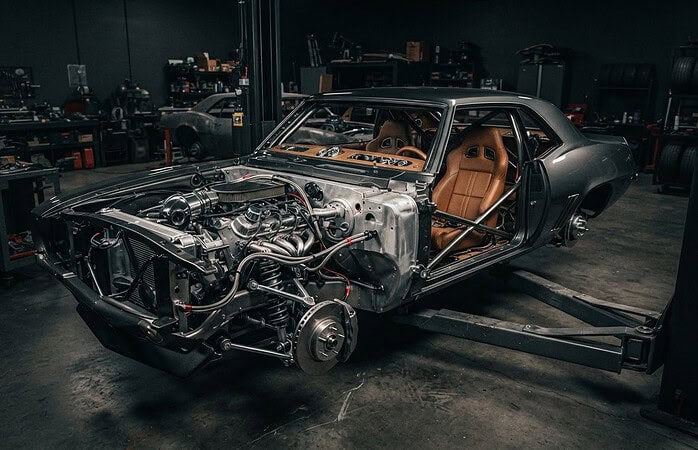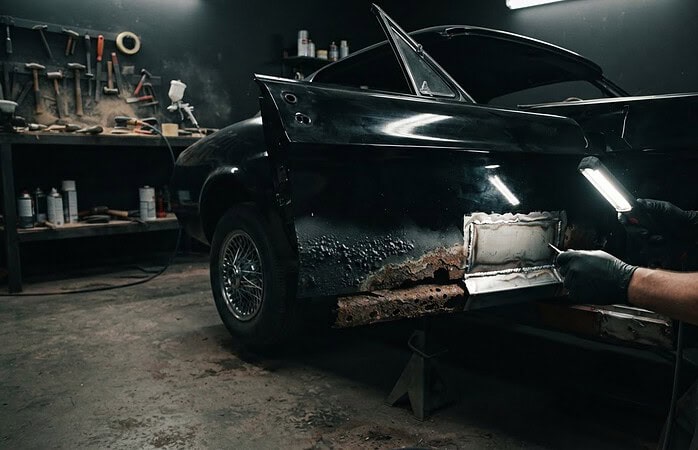

A restomod inspection is a forensic audit of how well two different eras of engineering have been forced to cooperate. It’s the difference between a bespoke piece of functional art and a dangerous assembly of mismatched components. You’ve likely spent months searching for that perfect silhouette, only to feel a surge of anxiety when you look beneath the hood. It’s natural to fear that a stunning exterior might hide a polished turd with compromised safety or amateur wiring. You want the raw, visceral excitement of a classic, but you need the reliability of a modern supercar. This guide provides a professional-grade restomod pre-purchase inspection checklist to help you master the complexities of vetting high-performance classic cars in 2026. You’ll gain the confidence to identify professional craftsmanship or walk away from a sub-par build. We’ll break down the critical integration points between vintage steel and modern power, using the AIM Quality Assurance Methodology as our gold standard for excellence. From chassis rigidity to electronic fuel injection mapping, you’re about to learn how to ensure your investment is truly elite.
Key Takeaways
- Learn why a traditional classic car appraisal is insufficient for vetting the complex performance metrics of a modern restomod.
- Use a professional restomod pre-purchase inspection checklist to audit the critical integration of high-performance engines and electronic fuel injection systems.
- Evaluate the structural integrity of the chassis and suspension to ensure the vintage frame is properly reinforced for contemporary power.
- Examine the precision of custom electronics and interior craftsmanship to distinguish between an amateur project and a bespoke automotive asset.
- Understand how the AIM Quality Assurance Methodology serves as the ultimate benchmark for reliability and investment-grade quality in 2026.
The Restomod Inspection Philosophy: More Than a Classic Check
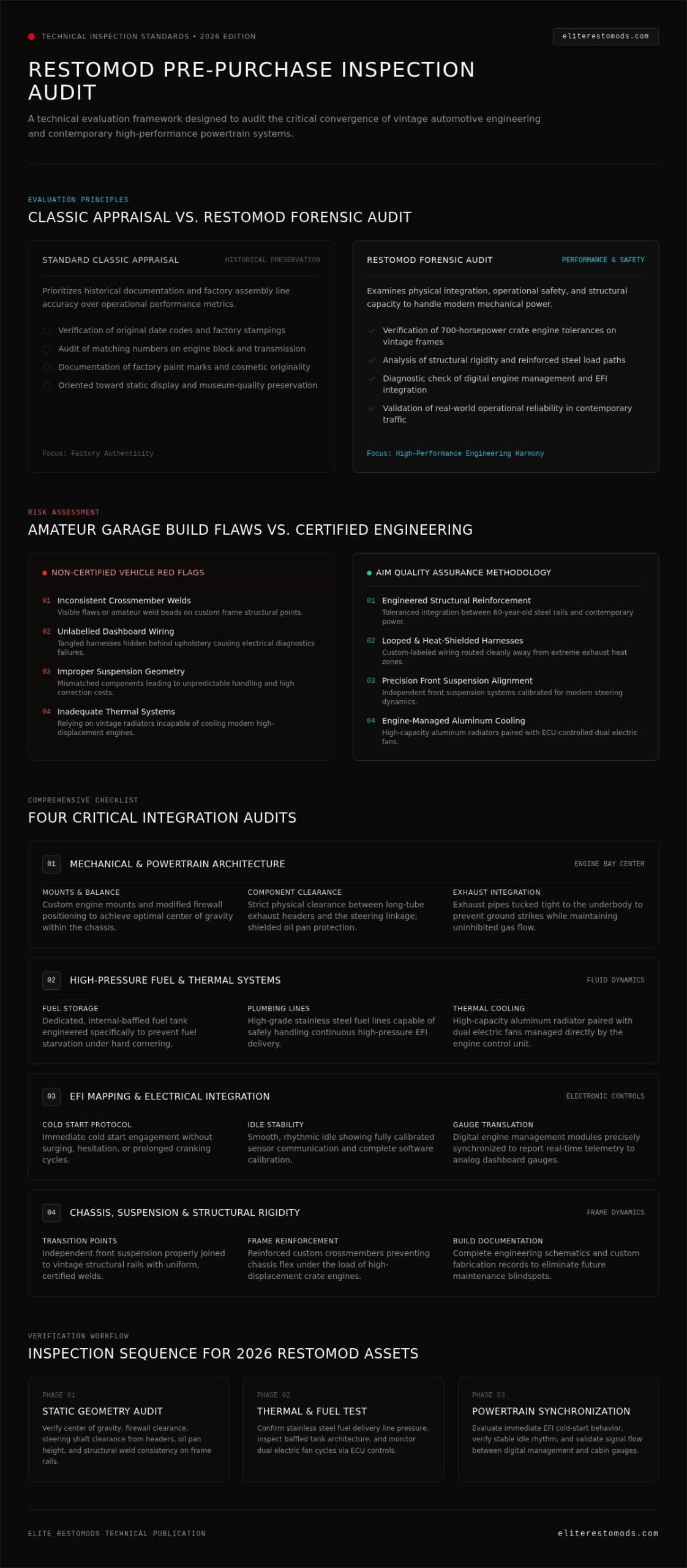
A standard classic car appraisal is a search for history. It prioritizes original date codes, factory paint marks, and matching numbers. In contrast, a specialized technical audit for restomod vehicles is a search for performance and safety. Standard appraisals often fail because they aren’t designed to measure the tolerances of a 700-horsepower crate engine mated to a 60-year-old frame. You aren’t just buying a car; you’re buying a complex integration of two different centuries. The goal is to verify that the brute force of modern engineering hasn’t overwhelmed the soul of the vintage asset.
A fully sorted vehicle is a masterpiece of engineering harmony. It differs from a standard restoration by prioritizing modern operational reliability over museum-quality preservation. Using a comprehensive restomod pre-purchase inspection checklist ensures that every modification serves a purpose rather than just looking good on a spec sheet. This philosophy treats the car as a high-value automotive asset that’s meant to be utilized, not just displayed. It’s about ensuring the transition from a long-held dream to a tangible, high-performance reality is seamless and secure.
Understanding the Marriage of Eras
The true soul of a restomod lives at the transition points. This is where modern independent front suspensions meet vintage rails and where digital engine management systems speak to analog gauges. High-end builds focus on the quality of the fabrication rather than the length of the parts list. It’s a psychological shift. You’re moving from a weekend cruiser to a machine capable of handling 2026 traffic with ease. The meticulous nature of the Elite Restomods process ensures these eras don’t just coexist; they thrive together. We look for the confidence of modern engineering tempered with the elegance of classic design.
The Risk of the Amateur Build
Amateur garage builds often look stunning in professional photography but reveal their flaws under a forensic audit. Red flags include inconsistent weld quality on custom crossmembers or a tangled nest of unlabelled wiring tucked behind a pristine leather dash. These hidden flaws in a non-certified vehicle lead to staggering costs. You might spend thousands correcting poor suspension geometry or cooling issues that should have been addressed during the initial build. A professional restomod pre-purchase inspection checklist prioritizes the documentation of the build process. Without a clear map of the custom work, maintenance becomes a forensic nightmare. Choosing an Elite Certified Restomod eliminates this risk by providing a vehicle that has already passed the rigorous AIM Quality Assurance Methodology.
Mechanical and Powertrain Integrity: The Heart of the Build
The engine bay is the epicenter of the build. It is where the raw power of contemporary engineering meets the classic lines of the past. When utilizing a restomod pre-purchase inspection checklist, your initial focus must be the physical installation of the modern powerplant. A high-performance crate engine often requires custom mounts and a modified firewall to achieve the perfect center of gravity within a vintage frame. Look for meticulous precision. There should be clear clearance between the long-tube headers and the steering linkage, and the oil pan must be protected from road debris. This level of mechanical clarity is a hallmark of what makes a quality restomod build in 2026.
Evaluating the fuel delivery system is a non-negotiable step for any serious collector. High-pressure electronic fuel injection demands more than just a new pump. It requires a dedicated, baffled fuel tank and high-grade stainless steel lines to handle the increased flow. The cooling system must also be up to the task. A vintage radiator is simply an ornament when paired with a 600-horsepower engine. Look for a high-capacity aluminum radiator and dual electric fans that are controlled by the engine management system. These elements ensure the brute force of the machine is consistently tempered by reliable thermal management and modern operational reliability.
Engine Swap and EFI Verification
The beauty of the build is often hidden in the plumbing. A professional installation features a custom-labeled wiring harness that is neatly loomed and routed away from extreme heat sources. When you engage the ignition, the EFI system should deliver an immediate cold start and a smooth, rhythmic idle. Any sign of surging or hesitation indicates an unfinished tune or sub-par sensor integration. Exhaust routing is equally critical. The pipes should be tucked tight to the floorboards but maintain enough clearance to prevent heat soak in the cabin or the fuel system. If you want to see how these systems look when perfectly executed, explore our inventory of fully sorted vehicles where every detail is scrutinized.
Drivability and Power Delivery
A truly elite vehicle delivers its power with refined confidence. Modern transmissions must handle the massive torque of a performance engine without shuddering or slipping. During your test drive, pay close attention to the driveshaft and rear differential. Vibration at speed often points to incorrect pinion angles or an unbalanced shaft. Powertrain integration is the critical factor for daily driving reliability.
Chassis and Suspension: Engineering Modern Handling
A vintage frame is a relic of a different era. It was designed for bias-ply tires and modest horsepower, not the aggressive cornering forces of 2026. When you utilize a restomod pre-purchase inspection checklist, the skeleton of the car requires your most critical eye. Professional builders often box the frame rails or add custom X-members to combat the torsional flex caused by modern torque. These reinforcements transform a flexible classic into a rigid, high-performance platform. It’s the difference between a car that merely survives a corner and one that carves through it with surgical precision.
Steering is the most tactile connection between the driver and the machine. Original steering boxes are notorious for their vague, wandering nature. A quality build replaces these with modern rack and pinion systems. This upgrade provides the immediate, weighted feedback you expect from a contemporary sports car. During your evaluation, verify that the wheel and tire fitment allows for full suspension travel. There should be no rubbing at full steering lock or during heavy compression. This meticulous attention to geometry ensures the vehicle remains a bespoke piece of functional art rather than a compromised project.
Pro-Touring Suspension Upgrades
Modern handling requires more than just new shocks. Look for tubular control arms and adjustable coilover systems that allow for precise ride height and damping control. These components should be paired with high-quality polyurethane or Delrin bushings to eliminate the deflection common in vintage rubber. A professional build features alignment specs optimized for modern radial tires, providing a stable footprint during spirited driving. Inspect the sway bar mounts for heavy-duty hardware that can manage the increased roll stiffness of a pro-touring setup. It’s about creating a rhythmic balance between raw excitement and refined comfort.
Braking System Performance
Stopping power must always exceed the engine’s ability to accelerate. High-performance disc brake conversions from manufacturers like Wilwood are the industry standard for investment-grade builds. Check that the master cylinder is properly sized for the caliper piston area to ensure a firm, responsive pedal. A dedicated proportioning valve is essential for balancing the bias between the front and rear axles. Testing the pedal feel should reveal zero fade and immediate engagement. This level of safety and performance is what distinguishes a fully sorted machine from an amateur garage build. For those seeking perfection, the AIM Quality Assurance Methodology serves as the ultimate benchmark for these critical systems.
Electronics and Interior: The Modern Driver Experience
The interior of a high-performance classic is where the marriage of brute force and refined comfort becomes most apparent. It is the tactile reward for your investment. A professional restomod pre-purchase inspection checklist must prioritize the electrical architecture that powers this experience. Unlike a factory restoration, a restomod relies on a custom-engineered nervous system. We look for a modern fuse block and a brand-new wiring harness rather than patched original looms. This ensures that the visceral excitement of the drive isn’t interrupted by a short circuit or a flickering gauge. It’s about the confidence of modern engineering hidden behind a veil of nostalgia.
Integration is the hallmark of a master builder. A modern HVAC system, such as Vintage Air, should be tucked neatly behind the dash, providing ice-cold relief without compromising the vintage aesthetic. The controls should feel deliberate and smooth. Gauges, whether they are digital displays or modern analog units, must be calibrated to the engine management system with surgical precision. If the tachometer bounces or the fuel gauge wanders, it suggests a lack of attention to detail that likely extends deeper into the mechanical build. Every instrument should provide accurate, real-time data to the driver.
Electrical System Reliability
Reliability starts with the charging system. High-performance fans, fuel pumps, and audio systems demand a high-output alternator and a stable battery. Often, the battery is relocated to the trunk to clean up the engine bay and improve weight distribution. We audit the quality of these cable runs and the cleanliness of the wiring behind the dash. A professional build features neatly loomed and labeled wires rather than a chaotic nest of electrical tape. Test the power windows and central locking for smooth, quiet operation. These creature comforts must function with the same effortless grace as a modern luxury coupe.
Modern Interior Craftsmanship
The cabin should be a sanctuary of bespoke luxury. We inspect the fit and finish of custom leather upholstery and the application of modern sound deadening materials. This layer of insulation is critical for isolating the driver from road noise and heat, allowing the exhaust note to be enjoyed without becoming overwhelming. Infotainment systems should be integrated with subtlety, perhaps hidden behind a classic radio face or housed in a custom center console. A modern interior should feel indistinguishable from a luxury vehicle. If you’re ready to experience this level of craftsmanship, browse our custom build services to see how we transform vintage cabins into modern masterpieces.
The Elite Quality Assurance Benchmark for 2026
Mastering a restomod pre-purchase inspection checklist is a vital skill for the modern collector, but even the most diligent enthusiast can benefit from a professional benchmark. The transition from a promising build to a truly elite automotive asset is defined by the rigor of the vetting process. At Elite Restomods, we utilize the AIM Quality Assurance Methodology to ensure every vehicle we represent meets a standard of reliability and performance that is virtually unmatched in 2026. This isn’t just a safety check. It’s a comprehensive audit of the vehicle’s soul and its modern capabilities, ensuring that the brute force of the engine is perfectly balanced with refined comfort.
The benefit of purchasing a vehicle that has already been fully sorted by experts cannot be overstated. When a car undergoes professional certification, the guesswork is eliminated. You aren’t just buying a classic silhouette; you’re acquiring a machine that has been engineered to perform with the consistency of a modern supercar. This is why our professional consignment and sourcing services include these critical checks as a standard requirement. We act as the world-class curator and master builder, protecting your investment from the hidden flaws of amateur builds.
The AIM Quality Assurance Methodology
Our proprietary process is a systematic, logical breakdown of the technical work required to achieve perfection. It begins with Step 1: Forensic mechanical and structural analysis. We examine the integrity of every custom weld and the clearance of every high-performance component to verify that the foundation is sound. Step 2 involves real-world drivability and performance stress testing. We push the vehicle to ensure the cooling, braking, and power delivery systems operate in perfect harmony under various conditions. Finally, Step 3 is the final aesthetic and artisanal detail verification. We scrutinize every stitch of the custom upholstery and every millimeter of the body gaps to ensure the car is a bespoke piece of functional art.
Buying and Selling with Extreme Confidence
Working with a premier dealership that understands high-performance builds provides a layer of protection that a private sale simply cannot match. Professional certification protects your investment by identifying potential flaws before they become expensive failures. It provides the bridge between a long-held dream and a high-performance reality, allowing you to drive with the confidence of modern engineering. Whether you are looking for a specific model or selling a prized asset, our methodology ensures a transparent and premium experience. To see the results of this meticulous process in action, we invite you to browse our current inventory of Elite Certified Restomods.
Securing Your Automotive Future
A high-performance classic is more than a machine; it’s a bespoke piece of functional art that demands a rigorous technical audit. By utilizing a professional restomod pre-purchase inspection checklist, you move beyond surface aesthetics to evaluate the critical integration of modern power and vintage steel. You’ve learned that the heart of a quality build lies in its mechanical harmony and structural rigidity. Every vehicle in our collection represents the pinnacle of this philosophy. Our expert team possesses decades of custom build experience, ensuring that every asset is fully sorted for the road in 2026. Every vehicle undergoes our AIM Quality Assurance Methodology to guarantee reliability and visceral excitement. We specialize in investment-grade classic car restomods that are meant to be utilized and enjoyed. Take the next step in your journey with total confidence. Browse our inventory of Elite Certified Restomods to find a vehicle that perfectly matches your vision of automotive excellence. Your dream of a modern classic is within reach, and we are here to ensure it performs with perfection.
Frequently Asked Questions
What is the most critical point in a restomod pre-purchase inspection?
The most critical point is the structural integrity of the chassis and its ability to handle modern horsepower levels. A vintage frame was never designed for the torque of a contemporary crate engine, so you must verify that the builder included proper frame reinforcements. This ensures the vehicle remains safe under heavy acceleration. Using a restomod pre-purchase inspection checklist helps focus your attention on these high-stress transition points where two eras of engineering meet.
Can a local mechanic perform a restomod pre-purchase inspection?
Most local mechanics lack the specialized technical knowledge required to audit a bespoke automotive asset with complex modern upgrades. They are trained to maintain factory-spec vehicles rather than evaluating custom-engineered suspension geometry or electronic fuel injection swaps. You need an expert who understands pro-touring components and custom wiring looms. A professional restomod pre-purchase inspection checklist requires a forensic eye for fabrication quality that goes far beyond a standard safety check.
How does a restomod inspection differ from a standard classic car appraisal?
A standard appraisal focuses on historical preservation and matching numbers, while a restomod inspection is a technical audit of modern performance and safety. While an appraiser looks for factory paint marks and original date codes, a restomod specialist evaluates the cooling capacity of an aluminum radiator and the responsiveness of modern rack and pinion steering. It’s a shift from valuing a museum piece to certifying a high-performance machine designed for reliable daily driving.
What are the red flags of a poor engine swap integration?
Visible red flags include a chaotic nest of unlabelled wiring and inconsistent weld quality on the motor mounts or crossmembers. You should also watch for heat soak issues caused by poor exhaust routing or an undersized cooling system that cannot manage the increased horsepower. If the engine struggles with a cold start or hesitates during idle, the fuel injection mapping is likely incomplete. Professional builds prioritize a clean engine bay where every component has clear clearance.
Should I inspect a restomod differently if I plan to use it as a daily driver?
Daily driving demands a higher level of operational reliability and ergonomic comfort than a weekend show car. You must prioritize the integration of modern HVAC systems and sound deadening to ensure the cabin remains a sanctuary in modern traffic. The charging system needs a high-output alternator to support electronics without failure. We recommend looking for Elite Certified Restomods that are fully sorted for the road, ensuring the brute force of the build is tempered with refined comfort.
How much does a professional restomod pre-purchase inspection cost in 2026?
The cost of a professional inspection in 2026 depends on the complexity of the build and the depth of the technical audit required. High-performance assets with custom-engineered chassis and integrated digital electronics require more time than a basic engine swap. While we don’t quote specific industry average prices, collectors should view this as a necessary investment to protect against the staggering costs of fixing a poorly integrated amateur build. It provides the confidence to move forward or walk away.
What documentation should I ask for when buying a custom restomod?
You should request a comprehensive build book that includes high-resolution photos of the fabrication process and receipts for all major high-performance components. Detailed wiring diagrams for the custom harness are essential for future maintenance and troubleshooting. Documentation should also outline the specific engine tuning and suspension alignment settings used. A professional developmental narrative proves the vehicle was treated as a bespoke project rather than a simple transaction, providing a clear roadmap for the next owner.
Is a restomod pre-purchase inspection necessary for a certified vehicle?
While an independent check is always an option, Elite Certified Restomods have already undergone the rigorous AIM Quality Assurance Methodology. This internal benchmark includes forensic structural analysis and performance stress testing to ensure the car is fully sorted. Working with a premier dealership like Elite Restomods simplifies the experience because the critical vetting work is performed by master builders before the car reaches the inventory. It’s the ultimate shortcut to extreme buying confidence and long-term reliability.