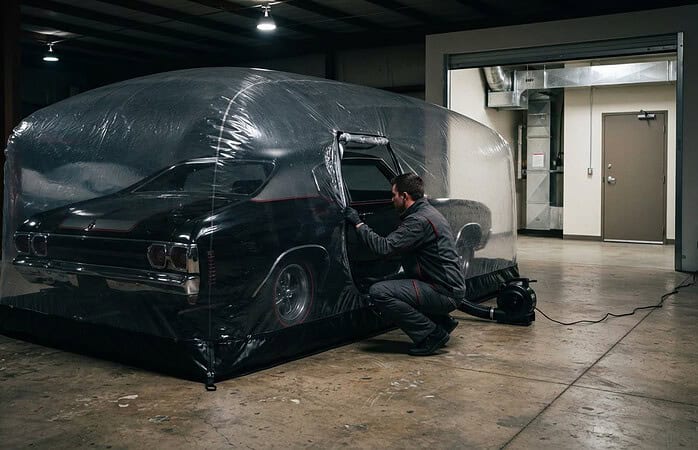

The most personal restomod isn’t always the right one to commission. With a finished car, you can assess its appearance and driving character before buying. Commissioning a restomod build gives you a role in choosing the paint, interior, drivetrain, wheels, and suspension. The decision comes down to whether a tailored specification matters more to you than choosing a completed vehicle.
A custom brief becomes a real project: the builder sources a suitable car and components, resolves engineering decisions, and tests the finished systems. Mainstream shops commonly take one to three years to complete a build, while parts availability, donor-vehicle sourcing, engineering challenges, and changing priorities can affect the timeline or specifications. The payment structure matters, too: progress payments are usually billed weekly or monthly against work completed.
This guide explains what commissioning involves, how to manage payment risks, and what to include at handover. It also compares a custom build with finished inventory, helping you weigh creative control against the chance to inspect a completed car before buying.
Key Takeaways
- Define the intended driving experience and priorities early so engineering choices support the whole build.
- Look for a commissioning process that includes functional testing, adjustments, and clear records of the completed vehicle.
- Reduce payment uncertainty by tying project milestones to documented work and agreed expectations.
- Use the choice between a bespoke commission and a completed vehicle to decide how much design involvement you want.
Startup, testing, adjusting, and balancing
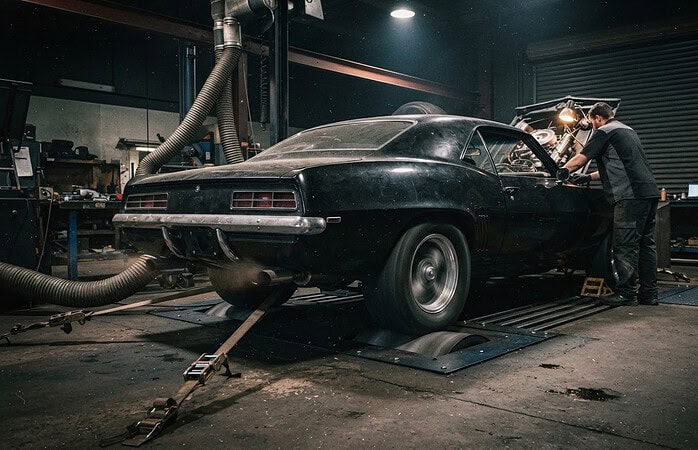
Startup is the first controlled check that a completed restomod’s systems work together. During the initial run, the build team can observe engine behavior, fluid leaks, charging, cooling, braking, and warning indicators before broader road testing. The results can reveal adjustments needed before the car enters regular use.
Functional testing compares the car’s behavior with the agreed specification. The team can document procedures and acceptance criteria for operating sequences, system integration, and responses to abnormal conditions. For example, tests can assess whether the engine, transmission, steering, and brakes work as intended under different operating conditions. After adjustments, retest the systems rather than treating the first successful start as final approval.
When choosing a restomod builder, look for relevant completed builds and clear records of components, engineering upgrades, specifications, and testing. Ask how experience from previous projects informs suspension design and component selection. Documented work offers a better basis for judging expertise than polished photographs alone.
Diagnostic testing and monitoring can help trace an issue to its source. A scan tool may show diagnostic trouble codes in compatible engine-management systems, while measured readings help technicians investigate symptoms instead of guessing at the cause. Recording the condition, adjustment, and follow-up test creates a traceable account of the repair or calibration.
Testing and analysis continue as the build moves from the workshop to real-world operation. A structured road test can assess starting, idle, acceleration, shifting, steering response, braking, and temperature behavior. The team reviews observations, makes needed adjustments, then repeats the relevant functional checks. This ongoing cycle turns engineering intent into a car that feels composed on the road, not merely impressive at rest. The restomod build process connects those checks with the project’s broader development and handover.
Buying finished inventory versus ordering a build
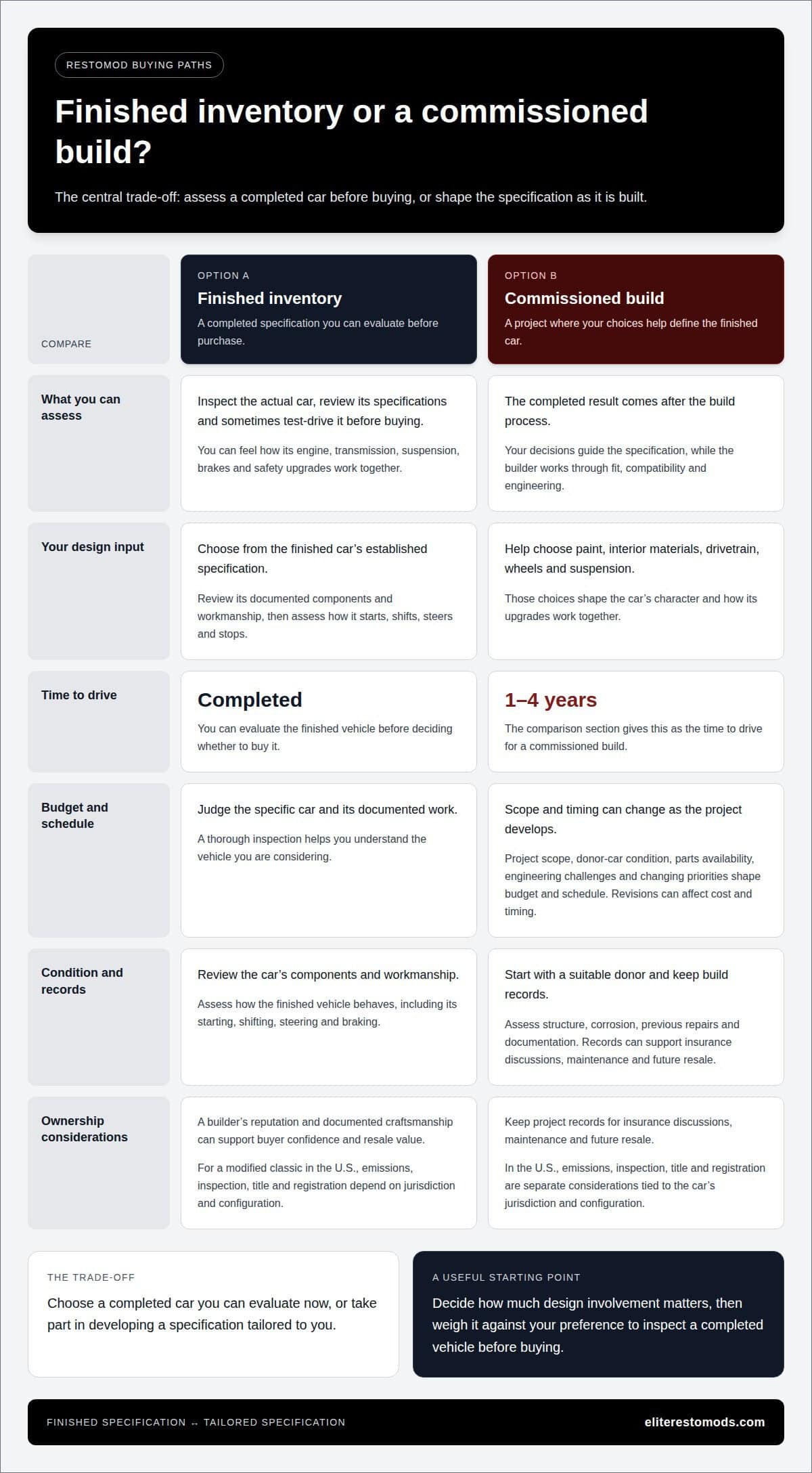
A finished restomod has an established specification; a commission lets you shape the result. The trade-off is choosing a car you can evaluate now versus taking part in its development.
Inspecting and Test-Driving Finished Vehicles
You can inspect a finished vehicle, review its specifications, and sometimes test-drive it before buying. That gives you a direct feel for its engine, transmission, suspension, brakes, and safety upgrades, instead of relying only on a proposed parts list. Review the documented components and workmanship, then assess how the car starts, shifts, steers, and stops. A thorough inspection helps you understand the specific car you’re considering.
Owner Choices During Fabrication and Finishing
A commissioned build gives you input on paint, interior materials, drivetrain, wheels, and suspension. Those choices influence the car’s character and how its upgrades work together. A dark, restrained cabin and touring suspension create a different experience from a vivid finish and firmer setup. Your preferences guide fabrication and finishing, while the builder resolves fit, compatibility, and engineering decisions. Taking part can make the finished car feel distinctly personal.
Project Price and Timeline Factors
Project scope, donor-car condition, parts availability, engineering challenges, and changing priorities shape both budget and schedule. A comparison of commissioned builds puts time to drive at one to four years; sourcing and specification changes can affect the timeline. Discuss how revisions are handled and which decisions affect cost before work progresses. Energy savings aren’t a useful stand-in for build value: consider the car’s intended use, components, and completed work instead.
Donor Car Condition and Resale Considerations
A suitable donor starts with a sound basis for the intended build. Assess its structure, corrosion, previous repairs, and documentation before committing, since hidden condition can change the scope. In the U.S., emissions, inspection, title, and registration are separate considerations tied to the car’s jurisdiction and configuration; don’t assume a modified classic follows the same path as an untouched one. Keep build records for insurance discussions, maintenance, and future resale. A builder’s reputation and documented craftsmanship can support buyer confidence and resale value. If you prefer to assess a completed example, browse finished restomod inventory.
Deposits, progress payments, and project risk
A deposit typically begins a commissioned project, while later payments fund work as it advances. In the United States, the price depends on the project and is provided after a quote request; donor condition, parts selection, fabrication, engineering, and finishing shape the scope. A precise specification helps connect each payment to defined work instead of broad expectations.
Progress payments for a restomod commission are commonly tied to work completed. A clear schedule should identify each milestone, the work it covers, and the records that confirm completion. For example, a payment tied to chassis fabrication should correspond to documented progress, not a vague phase label. This gives both parties a shared view of what is complete and what comes next.
Change control matters because parts availability, engineering challenges, and evolving priorities can affect a project. If a requested change alters the drivetrain or interior materials, record its effects on scope, timing, and payment before the new work begins. Written approval provides a reference for later invoices and reduces disagreement about whether the change was part of the original plan.
Project risk also includes delays between payment and visible progress. Updates should connect invoices to milestones such as completed fabrication, installed components, or finished testing. Photos, parts records, and progress notes help show how payments relate to the work. If a stage depends on a component that has not arrived, make that dependency clear rather than recording the stage as complete.
At handover, final reports and as-built documentation can record the completed specification and work. Include relevant operating guidance and training so the owner understands the vehicle’s systems and maintenance needs. A payment plan that defines milestones, change approvals, and handover records makes progress easier to track from deposit to delivery.
Cost depends on the project’s scope, including donor condition, parts selection, fabrication, engineering, and finishing. The price is provided after a quote request.
What commissioning a custom build involves
For an owner, commissioning a restomod build turns a personal vision into a defined engineering and fabrication brief. The process begins by aligning the intended driving experience with the car’s appearance, performance, and use. A classic silhouette can remain while modern components change how the vehicle responds on the road. Clear priorities link design choices to technical decisions.
Your choices shape the specification. Paint, interior materials, drivetrain, wheels, and suspension all influence the final character. For example, a powerful engine needs a drivetrain and chassis setup suited to its output and intended use. The builder assesses those choices together so one component doesn’t undermine another. Electrical requirements matter, too: added systems draw energy and affect integration.
Donor sourcing is an early project dependency. The builder assesses the candidate vehicle’s condition against the planned scope, then considers parts availability and engineering requirements. A change in the donor’s condition or a hard-to-source component can affect the timeline or specification. Agreeing on essential features first helps separate must-haves from refinements that may evolve.
Fabrication turns the specification into a working car. The build team coordinates bodywork, chassis, suspension, powertrain, and interior work, resolving fit and compatibility as components come together. Experience from previous builds can inform engineering choices, but each vehicle’s condition and design shape the solution. The result should reflect your priorities, not simply repeat an earlier project.
The quality of commissioning a restomod build depends on how well the completed vehicle suits its intended use. Startup, functional tests, adjustments, and road evaluation show how the systems work together. At handover, final reports and as-built documentation record the completed specification. Operating guidance helps you understand the vehicle, while the country where you plan to use it can affect preparation for title, registration, and inspection.
Elite Restomods: Custom Build Services
Elite Restomods offers Custom Build Services for drivers who want a classic car shaped around their priorities, from drivetrain character to interior finish. This is a natural next step when a finished vehicle doesn’t match your desired specification and you’re ready to take part in a bespoke project. Start the conversation with the model, driving experience, and design choices that matter most.
If you’d rather evaluate a completed car, Elite Certified Restomods offer another route: choose from an established specification instead of directing fabrication. The right fit depends on whether personal involvement or selecting an existing build better suits your goals.
For a tailored discussion about a custom project, contact Elite Restomods.
Shape the Classic You Want to Drive
Start by deciding what you want ownership to feel like. A custom commission gives you a hand in shaping the car’s character; a completed vehicle lets you choose from an established specification. Either way, it’s about more than preserving a silhouette. It’s about creating a classic you’ll want to drive, with modern capability suited to your priorities.
Elite Restomods offers Custom Build Services for tailored projects and Elite Certified Restomods for buyers considering a completed build. Its Consignment Program gives owners another route to selling a vehicle. Thinking through which option fits your plans can turn an ambitious idea into a focused conversation.
Bring your vision, preferred model, and intended use into that conversation. Those details give the project a meaningful starting point, whether you’re imagining a bespoke build or weighing an existing car. Contact Elite Restomods to discuss the direction that feels right, then take the next step toward a classic made for the road ahead.
Frequently Asked Questions
Commission a Restomod, or Buy One Already Built?
Commission a build when a specific combination of styling, performance, and interior details matters more than choosing a completed car. Buying an existing restomod suits you if you value seeing the finished materials and assessing its driving character before purchase. For example, if a particular transmission or cabin layout is essential, a custom project gives you more influence. If you’re flexible about the specification, existing inventory may better suit your priorities.
What is a restomod build, and what should be included in the scope?
A restomod combines a classic vehicle’s design with selected modern mechanical or comfort upgrades. The project scope should identify the base vehicle, intended use, major components, appearance, interior, and work the builder will perform. It should also separate required features from optional refinements. For example, state whether the brief calls for a complete drivetrain replacement or retains particular original elements, giving the completed specification a clear reference.
What should a restomod build contract cover, including change orders and payment milestones?
A build agreement should describe the vehicle, agreed specification, included work, payment schedule, and change-approval process. Tie each payment milestone to identifiable progress, and state how a requested revision affects scope and timing. Specify how completed work and installed components will be documented. These details give both parties a shared record if a paint choice, drivetrain component, or fabrication decision changes during the project.
What are the steps in commissioning a restomod, from design brief to delivery?
The process typically moves from a design brief to donor selection, specification, engineering, fabrication, finishing, testing, and handover. Each stage depends on earlier decisions. For instance, settling the intended engine and driving character before chassis work helps the engineering plan account for the full combination. At delivery, documentation should describe the completed vehicle, and operating guidance should help you understand its systems.
What are the main risks of a restomod build, including cost overruns, delays, and quality issues?
Scope changes, donor-car discoveries, parts availability, and engineering challenges can put pressure on the schedule or budget. Quality concerns can also arise when components are selected without considering how the systems work together. Keep the agreed specification, change approvals, progress records, and test results connected throughout the project. This makes deviations easier to spot and gives the handover a clear record of completed work.
How do modern engine, transmission, suspension, brake, and safety upgrades compare?
You can inspect and sometimes test-drive a finished restomod to assess its engine, transmission, suspension, brakes, and safety upgrades. With a commission, you choose key components, while the builder resolves compatibility and tests how the systems work together.