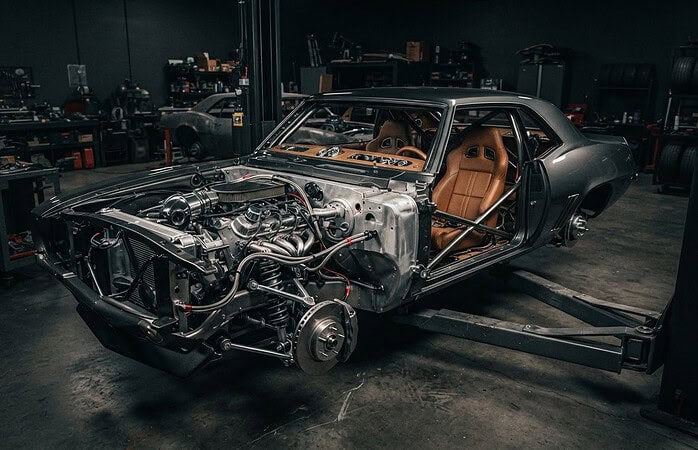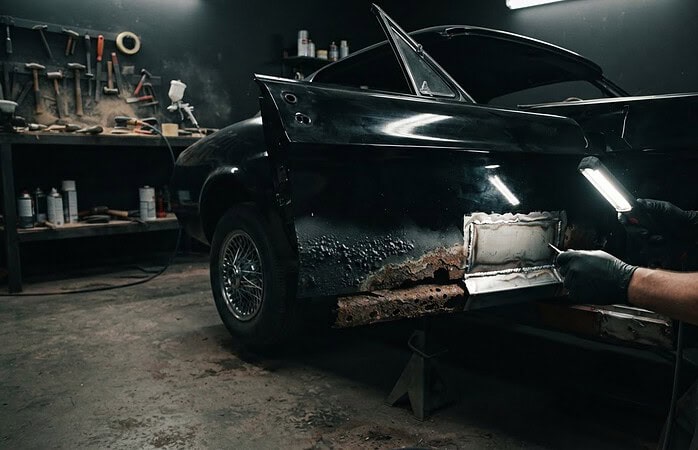

A six figure restomod is more than a machine; it is a delicate ecosystem where vintage steel meets sophisticated modern circuitry. Leaving such an asset in a standard garage isn’t just a risk, it’s a slow mechanical betrayal. True climate controlled classic car storage is the only way to bridge the gap between historical soul and contemporary reliability. You’ve invested in the finest craftsmanship. Now, you must defend it.
You understand the quiet dread of a modern ECU failing due to moisture or the heartbreak of watching bespoke leather succumb to dry rot. It’s a common anxiety for those who demand perfection from their collection. This guide reveals why stabilized environments are non-negotiable for preserving both the visceral driving experience and the long term resale value of your vehicle. We will explore the technical parameters required to maintain a fully sorted mechanical status and ensure your custom build remains ready for the open road at a moment’s notice.
Key Takeaways
- Understand how temperature spikes cause micro-expansion in vintage steel and why stabilization is the only way to protect your mechanical investment.
- Discover why true climate controlled classic car storage must manage temperature, humidity, and filtration simultaneously to safeguard modern electronics and artisanal leather.
- Learn to distinguish between passive warehouses and active preservation facilities that provide the concierge-level maintenance required for high-performance hardware.
- Use our professional evaluation checklist to verify HVAC capabilities and backup power protocols before trusting a facility with your bespoke restomod.
- Explore how professional storage maintains your vehicle’s fully sorted status, ensuring it’s ready for immediate driving or a seamless transition into a consignment program.
The Invisible Threats to Your Automotive Investment
A standard residential garage is often viewed as a sanctuary. In reality, it is a liability. While it offers a roof, it lacks the sophisticated environmental management required to protect a six figure investment. Without specialized systems, your vehicle is at the mercy of the local weather. It’s a slow betrayal of the craftsmanship you’ve worked so hard to acquire.
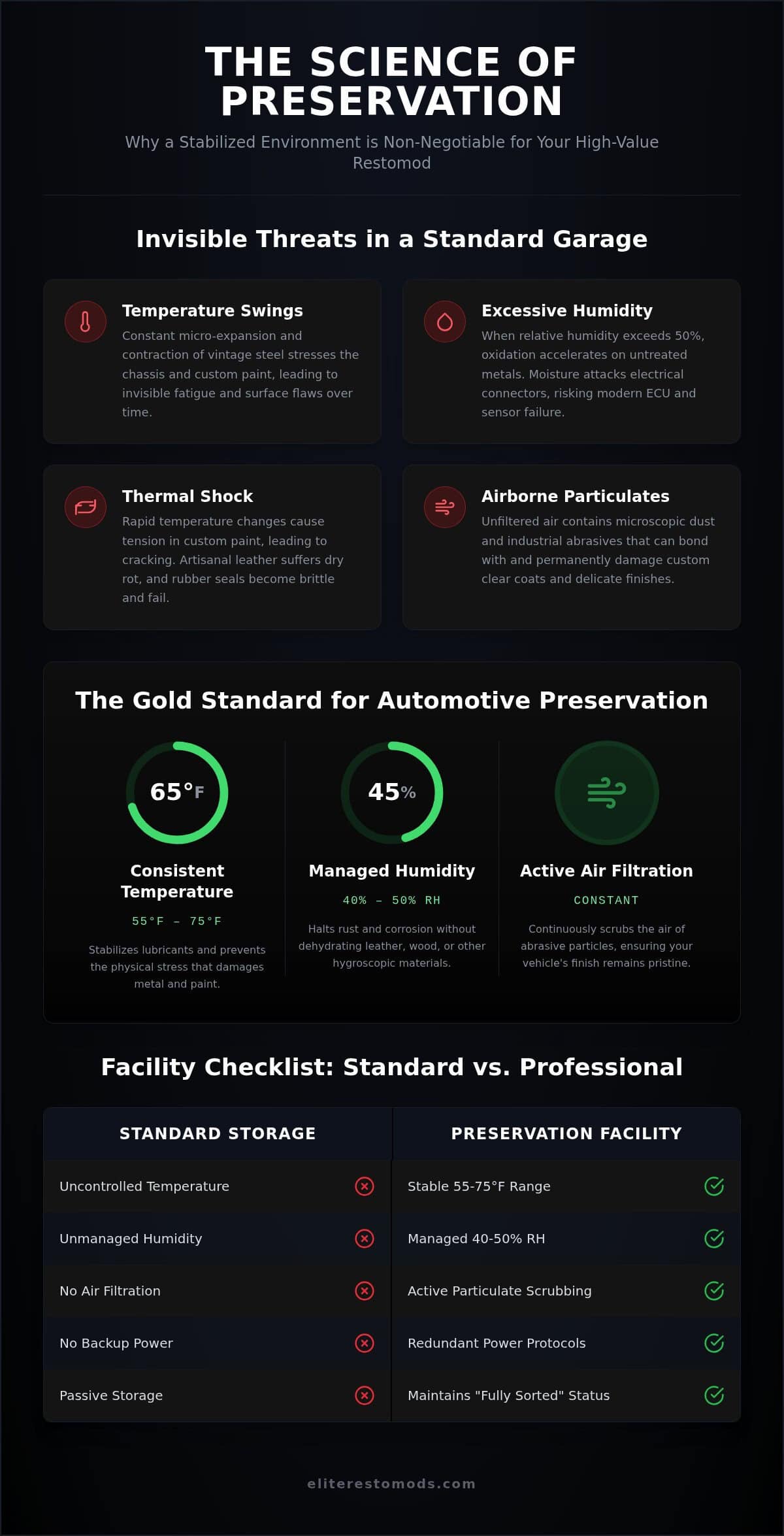
Temperature fluctuations are a constant threat to structural integrity. As the air warms and cools, vintage steel undergoes a process of micro-expansion and contraction. These movements are invisible to the naked eye but devastating over time. They stress the bond between the metal and its custom paint, eventually leading to surface flaws and microscopic checking. Professional climate controlled classic car storage solves this by locking the environment into a steady state, neutralizing the physical stress on the chassis.
To see how a world class facility handles these environmental challenges, watch this overview:
Condensation is a more insidious problem. It gathers in hollow body cavities and along the inner walls of frame rails. These areas rarely see the sun and have limited airflow. When moisture settles here, it initiates oxidation from the inside out. A vehicle that was once fully sorted can quickly lose its mechanical perfection through this atmospheric neglect. Utilizing climate controlled classic car storage ensures that these hidden spaces remain dry and the structural integrity of the build remains uncompromised.
Humidity: The Silent Catalyst of Oxidation
Oxidation is a chemical reaction fueled by moisture. When relative humidity exceeds 50 percent, the rate of corrosion on untreated metal surfaces spikes. High end builds with polished components or exposed metal finishes are the first to show signs of distress. It isn’t just about the chassis. Moisture also attacks modern electrical connectors and sensitive wiring looms found in today’s restomods. Even the most advanced ECU can suffer from erratic sensor readings caused by long term dampness. Following the principles of vehicle conservation and restoration means keeping humidity low enough to stop these reactions before they start.
Thermal Shock and Material Fatigue
Rapid temperature shifts cause thermal shock. This phenomenon creates tension in custom paint and clear coats, which can lead to permanent cracking. Inside the cabin, the stakes are just as high. Artisanal leather and custom upholstery require stability. Extreme heat cycles leach essential oils from natural hides, resulting in dry rot and stiffening. Rubber seals and gaskets also degrade, becoming brittle and losing their ability to hold fluids. This is why climate management is a critical part of the Elite Certified process, ensuring that every artisanal detail is preserved in its prime.
The Science of Stabilization: Defining Optimal Storage Parameters
True climate controlled classic car storage is a comprehensive system that manages temperature, humidity, and air filtration simultaneously to create a static environment for automotive preservation. This is distinct from simple heated warehouses that only combat the cold. A curated environment maintains a consistent temperature between 55°F and 75°F. This range prevents the excessive thinning or thickening of vital lubricants. Beyond basic heat, managing relative humidity between 40% and 50% is the industry gold standard. This specific range stops oxidation without dehydrating organic materials.
Air filtration is the final, often overlooked pillar of stabilization. Fine particulates and industrial dust are not merely aesthetic nuisances; they are microscopic abrasives that can bond with custom clear coats. By scrubbing the air, a facility ensures that your paint remains as flawless as the day it left the booth. This meticulous attention to the atmosphere preserves the visceral impact of your vehicle’s finish.
Hygroscopic Materials and the Moisture Equilibrium
Natural materials like wood, leather, and wool are hygroscopic. They constantly exchange moisture with the surrounding air to reach an equilibrium. In high humidity, these fibers swell, inviting mold and mildew to take root in the deep recesses of a custom interior. Conversely, an environment that is too arid will leach essential oils from artisanal leather, causing it to shrink and crack. It is a delicate balance. To effectively Preserve Classic Car Knowledge and the physical asset itself, collectors must prioritize this atmospheric stability.
Electronic Integrity in the Restomod Era
The modern restomod is a digital masterpiece housed in a vintage shell. High performance LS swaps and Coyote swaps rely on sophisticated ECUs and digital displays that are sensitive to environmental stress. Moisture induced short circuits are a common failure point for modern wiring looms in unmanaged storage. Electrolytic capacitors within modern automotive electronics can also suffer from extreme temperature swings. Maintaining environmental stability is not just about the paint; it is about ensuring the modern heart of your machine beats reliably every time you turn the key. You can explore our full suite of preservation services to see how we protect these complex systems.
Standard Storage vs. Premium Concierge Care
Many collectors mistake a dry room for a preservation environment. Passive storage is a hands-off approach that often leads to mechanical stagnation. In contrast, premium climate controlled classic car storage functions as an active preservation facility. It’s the difference between a vehicle that simply sits and one that is curated to remain in a fully sorted state. Stewardship requires more than just a roof; it demands a systematic approach to mechanical health.
Modern fuel injection systems and high performance ECUs in today’s restomods introduce a constant parasitic draw on the electrical system. Without dedicated battery tending, these sophisticated components can lose their volatile memory or suffer voltage drops that lead to erratic idle and mapping issues. Physical components require similar vigilance. High performance tires are prone to flat spotting when left stationary on hard surfaces for extended periods. Active management includes regular pressure monitoring and slight vehicle movements to maintain the structural integrity of the rubber compounds.
Professional oversight is the most valuable layer of protection. A seasoned technician notices the single drop of synthetic oil or the faint scent of coolant long before it becomes a catastrophic failure. This vigilance ensures that your bespoke piece of functional art is never compromised by the passage of time. It’s about catching the small details before they impact the driving experience or the asset’s value.
The Security Architecture of Elite Facilities
Security for a high value collection extends far beyond a heavy lock. Elite facilities utilize advanced fire suppression systems and 24/7 monitoring to ensure total protection. As the luxury and exotic vehicle market is projected to reach as much as $215 billion over the next decade, insurance providers have tightened their requirements for asset preservation. Professional facilities satisfy these rigorous demands while offering total confidentiality. Privacy is a core pillar of the service, ensuring that high profile collections remain shielded from public view in a secure, climate controlled environment.
Maintenance Integration and Readiness
The most significant advantage of premium care is the integration of mechanical expertise. Storing your vehicle with a team that understands the intricacies of custom builds means your car is treated with technical respect. Pre-storage detailing removes acidic road grime that could etch into custom paint, while post-storage fluid checks confirm that every system is operational. This approach ensures the vehicle is ready for a cross-country drive at a moment’s notice. This level of readiness is a key component of our Elite Certified services, reflecting the philosophy that these machines are meant to be utilized and enjoyed.
Evaluating a Storage Facility: A Collector’s Checklist
Choosing a facility for your collection is a decision of stewardship. It’s not just about a parking spot. It’s about engineering a stable future for your asset. True climate controlled classic car storage requires a rigorous audit of both hardware and protocol. Most facilities offer a roof and a heater. That is not enough. You must verify the presence of a true dual stage HVAC system capable of managing humidity independently of temperature. Ask about the backup power strategy. A grid failure shouldn’t leave your battery tenders or climate systems offline for hours.
Staff expertise is the next critical pillar. Does the team understand the specific nuances of a restomod? These vehicles are complex hybrids of heritage design and modern performance hardware. A facility that treats a Coyote swapped Bronco like a stock vintage truck is a red flag. You want curators who understand the parasitic draw of modern ECUs and the delicate nature of custom paint. Review the intake and outtake protocols. Every vehicle should undergo a documented multi point inspection upon arrival to ensure its fully sorted status is recorded and maintained.
The Environmental Audit
Ask for the data. Professional facilities maintain detailed humidity logs to prove their systems are functioning within the ideal 40% to 50% range. Observe the flooring during your tour. A high quality environment utilizes vapor barriers to prevent rising damp from the concrete slab. This prevents moisture from attacking the undercarriage of your build from below. Cleanliness is also a mechanical requirement. Observe the dust management protocols. If you see layers of grit on the car covers, the air filtration system is insufficient for long term preservation.
Service Level Agreements and Access
Clarity is paramount for an active collector. Understand the notice period for vehicle retrieval before signing any agreement. Some facilities require 48 hours of lead time, while others offer more immediate access. Review the monthly subscription fees for total transparency. You should know exactly what is included in the base rate. Many premium facilities include battery tending and tire pressure management as standard, while others treat them as add on concierge services. To experience a higher standard of care for your investment, explore our climate controlled storage services today.
The Elite Approach: Preserving the Soul of the Machine
At Elite Restomods, we don’t view storage as a passive ending. It’s a vital component of the Elite Certified lifestyle. Our climate controlled classic car storage program is designed to protect the meticulous engineering of our custom builds. This isn’t just a warehouse; it’s a continuation of the craftsmanship that defines our brand. We treat every project as a bespoke piece of functional art that requires constant, vigilant stewardship to maintain its peak performance and aesthetic brilliance.
There is a powerful synergy between secure storage and our consignment process. A vehicle that has been under professional care is inherently more valuable to the next collector. It possesses a verifiable, documented history of environmental stability and mechanical readiness. This level of transparency is a significant advantage for investment success. Furthermore, we utilize storage downtime as an opportunity for progress. While your vehicle is in our facility, it remains accessible for custom builds or performance upgrades. We can refine the suspension or update the interior while the car is already in a secure, managed environment, turning a period of inactivity into a transformative journey.
From Storage to the Street
We believe these machines are meant for the open road. They are functional art, designed to be utilized and enjoyed, not just displayed behind glass. Professional storage simplifies the ownership experience by removing the logistical burdens of routine maintenance and environmental defense. When you’re ready to drive, your vehicle is ready for you. We ensure a seamless transition from the facility to the driver’s seat. Every fluid level is verified. Every tire is set to its optimal pressure. You simply turn the key and relive a classic era of design with the confidence of modern engineering.
Next Steps for Your Collection
Managing a high end collection requires a single point of professional authority to ensure long term preservation. By consolidating your assets under our care, you gain access to curators who understand the specific needs of your model. We provide the vision to keep your vintage soul thriving in the modern era through a systematic, logical breakdown of technical care. If you’re looking to expand your collection with a vehicle that has already undergone our rigorous quality assurance, you can explore our inventory of fully sorted restomods. Our team is ready to act as the bridge between your automotive dreams and a high performance reality.
Defending Your Automotive Legacy
Professional asset preservation is the bridge between a vehicle that simply exists and one that thrives. By neutralizing the threats of thermal shock and moisture, you ensure the mechanical integrity of your investment remains flawless. True climate controlled classic car storage isn’t a luxury; it’s a technical requirement for any high performance restomod. It represents the final step in the Elite Certified Restomods quality assurance process, protecting the synergy of vintage design and modern power for the next generation of drivers.
Our approach combines investment-grade preservation expertise with concierge-level maintenance integration to keep your machine in a fully sorted state. You’ve invested in excellence. Now, you must sustain it. Whether you’re preparing for future consignment or simply waiting for the perfect driving day, your vehicle deserves a curated environment that mirrors its craftsmanship. Secure your investment with our premier storage services and experience the peace of mind that comes with world-class stewardship. The open road is waiting. Make sure your car is ready to answer the call.
Frequently Asked Questions
What is the ideal temperature and humidity for classic car storage?
The ideal environment for automotive preservation is a temperature range between 50 and 70 degrees Fahrenheit with relative humidity maintained between 40 and 50 percent. This specific atmospheric balance prevents the contraction of vintage steel while ensuring that artisanal leather doesn’t lose its essential oils. It’s a technical requirement for any investment grade asset. Maintaining these parameters stops the cycle of micro-expansion that can lead to surface checking in custom clear coats.
Does climate control prevent rust in older vehicles?
Climate control effectively halts the oxidation process by removing the moisture required for rust to form. Rust is a chemical reaction that triggers when humidity levels spike. By keeping the air dry and filtered, climate controlled classic car storage protects the structural integrity of frame rails and hollow body cavities. It’s a proactive defense that ensures your vehicle’s metal surfaces remain as pristine as the day they were finished.
How often should a stored classic car be started or driven?
A stored vehicle should ideally be driven every 30 days to reach full operating temperature. This practice circulates vital fluids and prevents internal seals from becoming brittle. At Elite Restomods, we believe these machines are functional art meant for the open road. Regular movement prevents flat spotting on high performance tires and keeps the mechanical systems in a fully sorted status. It’s about readiness for the next drive.
Why is a battery tender necessary in a climate-controlled facility?
Modern restomods utilize sophisticated ECUs and digital displays that create a constant parasitic draw on the battery. A battery tender is essential to maintain voltage levels and protect the volatile memory of your engine’s mapping. Without consistent power, even a climate controlled classic car storage facility can’t prevent the electrical degradation caused by deep discharge cycles. It ensures your high performance heart is ready to beat at a moment’s notice.
What is the difference between heated storage and climate-controlled storage?
Heated storage only manages the ambient temperature, whereas true climate control regulates temperature, humidity, and air filtration simultaneously. Heat alone can actually accelerate corrosion if the air remains damp. Managing humidity is the most critical factor for preserving both vintage metal and modern electronics. A comprehensive climate system scrubs the air of corrosive particulates and keeps the moisture equilibrium stable for every material in the car.
Should I detail my car before putting it into long-term storage?
Detailing your vehicle before storage is a critical step in asset preservation. Road grime, bird droppings, and industrial fallout are often acidic and will etch into custom paint if left for extended periods. A thorough cleaning removes these contaminants and protects the artisanal finishes of your build. It also provides an opportunity to inspect the chassis for any minor issues that should be addressed before the vehicle enters its preservation cycle.
How does professional storage affect the resale value of a restomod?
Professional storage significantly enhances the resale value of a restomod by providing a documented history of care. Buyers in the luxury and exotic market prioritize vehicles that have been maintained in a fully sorted state. Proof of climate controlled classic car storage signals that the owner understood the technical needs of the machine. It builds trust during the consignment process and distinguishes your vehicle from others that may have suffered from environmental neglect.
Can modern electronics in a restomod be damaged by cold storage?
Cold storage poses a significant risk to the modern electronics found in high end restomods. Extreme temperature swings can cause condensation to form inside sensitive components like digital dashes or modern wiring looms. This moisture leads to short circuits and long term reliability issues. Additionally, electrolytic capacitors in modern automotive hardware are sensitive to thermal stress. Environmental stability is the only way to protect the digital soul of a modern classic.